Aging is inevitable. Looking and feeling old before your time is not. The difference between someone who ages gracefully and someone who ages rapidly has far less to do with genetics than most people assume. Research in twin studies has consistently shown that only about 20-30% of longevity and visible aging is determined by genes. The remaining 70-80% is shaped by lifestyle, environment, and the daily choices that either accelerate or decelerate the biological clock.
The anti-aging industry is worth over 60 billion dollars globally, and much of it is built on hype — miracle creams, unproven injections, and supplements with impressive marketing but minimal evidence. This article cuts through that noise. It covers what actually causes aging at the biological level, and then presents the natural strategies with real evidence for slowing it down — strategies that address the root causes rather than masking symptoms.
This is not about chasing an impossible standard of youth. It is about aging well — maintaining energy, vitality, cognitive sharpness, and yes, healthy-looking skin, for as long as possible.

What Actually Causes Aging
Understanding the biological mechanisms of aging is essential because effective anti-aging strategies target these mechanisms directly. Aging is not a single process but a convergence of several interconnected ones.
Oxidative Stress and Free Radical Damage
Every cell in your body produces free radicals (reactive oxygen species) as a byproduct of normal metabolism, particularly in the mitochondria during energy production. Free radicals are molecules with unpaired electrons that damage DNA, proteins, and cell membranes as they seek stability. The body has antioxidant defence systems (glutathione, superoxide dismutase, catalase) to neutralise free radicals, but when production exceeds defence capacity — due to UV exposure, pollution, poor diet, stress, or simply aging — the result is oxidative stress.
Oxidative stress is a primary driver of skin aging (wrinkles, loss of elasticity, hyperpigmentation), organ decline, and cellular dysfunction. It damages mitochondrial DNA, creating a vicious cycle: damaged mitochondria produce more free radicals, which cause more damage.
Chronic Low-Grade Inflammation (Inflammaging)
Aging is accompanied by a progressive increase in systemic inflammation — a phenomenon researchers call "inflammaging." This is not the acute inflammation of an injury, but a chronic, low-grade inflammatory state driven by accumulation of senescent cells, visceral fat, gut microbiome changes, and declining immune regulation.
Inflammaging accelerates every aspect of aging: skin aging, cognitive decline, cardiovascular disease, metabolic dysfunction, and loss of muscle mass. Addressing chronic inflammation is one of the most impactful anti-aging strategies available. For comprehensive strategies, see anti-inflammatory foods complete guide.
Telomere Shortening
Telomeres are protective caps on the ends of chromosomes, often compared to the plastic tips on shoelaces. Each time a cell divides, telomeres shorten slightly. When they become critically short, the cell can no longer divide — it becomes senescent (essentially retired but still present and causing inflammation) or dies. Telomere length is considered a biomarker of biological aging. Factors that accelerate telomere shortening include chronic stress, poor sleep, sedentary lifestyle, and oxidative stress. Factors that protect or even lengthen telomeres include exercise, meditation, omega-3 fatty acids, and adequate sleep.
Glycation and AGEs
When sugar molecules bind to proteins or fats without enzymatic control, they form advanced glycation end products (AGEs). AGEs cause proteins to become stiff and dysfunctional — and collagen and elastin in the skin are particularly vulnerable. Glycated collagen loses its elasticity, leading to wrinkles and sagging. AGEs also trigger inflammation and oxidative stress.
High blood sugar (from a high-glycemic diet, insulin resistance, or diabetes) dramatically accelerates glycation. This is one reason why people with chronically high blood sugar tend to age faster visibly.
Collagen and Elastin Degradation
Starting in our mid-20s, collagen production declines by approximately 1% per year. Elastin production essentially stops after puberty, and existing elastin degrades over time. UV exposure, smoking, and sugar consumption (glycation) accelerate this breakdown. The result is thinner, less resilient skin that wrinkles, sags, and loses volume.
The Anti-Aging Diet
Experience Scalar Energy for Free
Start your 6-day remote scalar energy trial — no payment, no commitment.
Start My Free 6-Day Trial →What you eat is arguably the most powerful natural anti-aging tool, because it influences every mechanism described above — oxidative stress, inflammation, glycation, collagen integrity, and even telomere length.
Antioxidant-Rich Foods
The goal is to flood the body with dietary antioxidants that support and augment the internal antioxidant defence system. The most potent dietary antioxidants include:
Berries (blueberries, blackberries, raspberries, acai): Among the highest antioxidant foods measured by ORAC score. Rich in anthocyanins, which have been shown to improve skin elasticity and reduce wrinkle depth in clinical trials.
Dark leafy greens (kale, spinach, Swiss chard): Rich in lutein and zeaxanthin, which protect against UV-induced skin damage and support eye health.
Colourful vegetables (bell peppers, tomatoes, sweet potatoes, beets): Each colour represents different antioxidant compounds — lycopene in tomatoes (shown to reduce UV damage by 40% in one study), beta-carotene in orange vegetables, betalains in beets.
Dark chocolate (70%+ cacao): Rich in flavanols that improve blood flow to the skin, increase skin density, and reduce UV sensitivity. A study in the Journal of Nutrition found that women who consumed a high-flavanol cocoa drink daily for 12 weeks had improved skin texture, thickness, and hydration.
Green tea: EGCG in green tea is one of the most potent antioxidants known, with additional anti-inflammatory and anti-glycation properties. Regular green tea consumption is associated with reduced photoaging in epidemiological studies.
Anti-Inflammatory Eating
Since inflammaging is a core driver of aging, an anti-inflammatory diet is an anti-aging diet. This means emphasising omega-3 rich foods (fatty fish, walnuts, flaxseeds), turmeric, ginger, extra virgin olive oil, and abundant fruits and vegetables, while minimising processed foods, refined sugar, seed oils high in omega-6, and alcohol.
The Mediterranean diet — which encompasses most of these principles — has the most evidence for longevity. People in Mediterranean regions consistently live longer and age more slowly. Research suggests this is partly because the diet reduces inflammaging and oxidative stress simultaneously.
Low-Glycemic Eating to Prevent Glycation
Keeping blood sugar stable is one of the most effective internal anti-aging strategies. Glycation — the binding of sugar to collagen and elastin — is directly proportional to blood sugar levels. A low-glycemic diet (whole grains instead of refined, adequate protein and healthy fat with every meal, minimal processed sugar) limits glycation and preserves the structural proteins that keep skin firm and elastic.
Collagen-Supportive Nutrition
Support your body's collagen production through diet: bone broth provides collagen directly, vitamin C-rich foods (citrus, bell peppers, kiwi, strawberries) are essential for collagen synthesis, and foods rich in proline and glycine (egg whites, dairy, mushrooms, asparagus) provide the amino acid building blocks.
Topical Anti-Aging Treatments
Retinol (Vitamin A)
Retinol is the most well-studied and well-evidenced topical anti-aging ingredient in existence. Decades of research confirm that it increases collagen production, accelerates cell turnover, reduces wrinkle depth, fades hyperpigmentation, and improves skin texture and firmness. Prescription-strength retinoids (tretinoin) are more potent, but over-the-counter retinol (0.025-1%) produces similar results with less irritation, albeit more slowly.
Start with a low concentration (0.025-0.05%) applied 2-3 times per week at night, gradually increasing frequency and concentration as your skin acclimates. Always use sunscreen during the day when using retinol, as it increases UV sensitivity. Results typically become visible after 12 weeks, with progressive improvement over 6-12 months.
Vitamin C Serum
Topical vitamin C (L-ascorbic acid at 10-20%) is the second most evidence-backed anti-aging topical. It neutralises free radicals at the skin surface, inhibits melanin production (reducing age spots), stimulates collagen synthesis, and enhances the effectiveness of sunscreen. A study published in Dermatologic Surgery found that topical vitamin C combined with vitamin E and ferulic acid provided significant protection against UV-induced damage.
Apply vitamin C serum in the morning before sunscreen. It works synergistically with sunscreen to provide both active photoprotection (neutralising free radicals generated by UV) and passive photoprotection (sunscreen blocking UV rays).
Hyaluronic Acid
Hyaluronic acid is a naturally occurring molecule that holds up to 1,000 times its weight in water. As we age, hyaluronic acid levels in the skin decline, contributing to dehydration, loss of volume, and fine lines. Topical hyaluronic acid (in serums and moisturisers) draws moisture into the skin, plumping it and temporarily reducing the appearance of fine lines.
Look for products containing both high-molecular-weight hyaluronic acid (which sits on the skin surface creating a moisture barrier) and low-molecular-weight hyaluronic acid (which penetrates deeper). Apply to damp skin for maximum hydration.
Sun Protection
This deserves its own section because it is arguably the single most effective anti-aging intervention. UV radiation causes up to 80% of visible facial aging — a phenomenon called photoaging. It breaks down collagen and elastin, generates free radicals, causes hyperpigmentation, and triggers chronic skin inflammation.
A landmark Australian study published in the Annals of Internal Medicine found that daily sunscreen use (compared to discretionary use) resulted in significantly younger-looking skin after 4.5 years, with measurably less skin aging. This is one of the few interventions that has been proven in a randomised controlled trial to visibly slow aging.
Use a broad-spectrum SPF 30+ sunscreen daily, regardless of weather or season. Reapply every two hours if outdoors. Mineral sunscreens (zinc oxide, titanium dioxide) are preferred for daily use due to their safety profile. Complement with protective clothing, sunglasses, and shade-seeking behaviour.
Exercise: The Anti-Aging Drug
Regular exercise is one of the most powerful anti-aging interventions available, with effects that extend far beyond cardiovascular fitness.
A groundbreaking study published in Aging Cell examined the skin of lifelong exercisers versus sedentary individuals over age 40. The exercisers had significantly thicker, more elastic, and structurally younger-looking skin — comparable to people decades younger. Even more remarkably, when previously sedentary individuals began an exercise programme, their skin structure began to reverse toward a younger state after just 3 months.
Exercise slows aging through multiple mechanisms: it reduces chronic inflammation, improves mitochondrial function, increases antioxidant enzyme production, enhances circulation (delivering more nutrients and oxygen to the skin), reduces cortisol, improves insulin sensitivity (reducing glycation), and protects telomere length.
Aerobic exercise (150+ minutes per week of moderate intensity) has the strongest evidence for longevity and skin health.
Resistance training maintains muscle mass and bone density, both of which decline with aging and contribute to an aged appearance (loss of facial volume, postural changes).
High-intensity interval training (HIIT) has been shown to reverse age-related decline in mitochondrial function — essentially rejuvenating the cellular power plants.
Sleep: When Anti-Aging Happens
The majority of tissue repair, collagen synthesis, and growth hormone release occurs during deep sleep. Chronic sleep deprivation accelerates every marker of aging: it increases cortisol (which breaks down collagen), elevates inflammation, impairs insulin sensitivity, shortens telomeres, and reduces growth hormone secretion.
A study published in Clinical and Experimental Dermatology found that poor sleep quality was significantly associated with increased signs of skin aging — fine lines, uneven pigmentation, reduced elasticity, and slower recovery from UV-induced erythema.
For anti-aging purposes, aim for 7-9 hours of quality sleep. Sleep quality is as important as quantity: prioritise consistent sleep timing, a dark and cool bedroom, limited blue light exposure in the evening, and avoidance of alcohol before bed (which disrupts deep sleep). For detailed strategies, see how to sleep better naturally.
Stress Reduction
Chronic stress is one of the most potent accelerators of aging. Cortisol, the primary stress hormone, breaks down collagen and elastin, thins the skin, impairs wound healing, increases inflammation, disrupts sleep, raises blood sugar (accelerating glycation), and has been directly linked to accelerated telomere shortening.
A landmark study by Elizabeth Blackburn (who won the Nobel Prize for her telomere research) found that women with the highest levels of perceived stress had telomeres equivalent to 10 additional years of aging compared to low-stress women.
Effective stress management is therefore a direct anti-aging intervention. Evidence-based approaches include meditation (shown to protect telomere length), regular exercise, time in nature, strong social connections, and adequate sleep. For detailed cortisol-reduction strategies, see how to reduce cortisol naturally.

Intermittent Fasting and Caloric Strategies
Caloric restriction is the most consistently demonstrated intervention for extending lifespan in animal studies. While long-term caloric restriction is difficult and potentially harmful for humans, intermittent fasting (IF) activates many of the same beneficial pathways with better adherence.
Fasting activates autophagy — the cellular recycling process that clears damaged proteins, dysfunctional mitochondria, and cellular debris. Autophagy declines with age, and its decline contributes to the accumulation of cellular damage that drives aging. Fasting effectively "takes out the cellular trash."
The most studied IF protocols for anti-aging include time-restricted eating (16:8 — eating within an 8-hour window) and periodic 24-hour fasts. Benefits include improved insulin sensitivity (reducing glycation), reduced inflammation, enhanced autophagy, and improved mitochondrial function.
Anti-Aging Supplements
CoQ10 (Coenzyme Q10)
CoQ10 is essential for mitochondrial energy production and is a powerful antioxidant. Levels decline significantly after age 40, which correlates with declining energy, increased oxidative stress, and accelerated aging. Supplementation (100-200 mg per day, taken with fat for absorption) supports mitochondrial function, reduces oxidative stress, and has been shown in clinical trials to improve skin smoothness and reduce wrinkle depth when taken both orally and applied topically.
Resveratrol
Found in red grapes, berries, and red wine, resveratrol activates sirtuins — a family of proteins associated with longevity and cellular repair. Sirtuin activation mimics some of the beneficial effects of caloric restriction. Resveratrol also has antioxidant and anti-inflammatory properties. Supplementation at 250-500 mg per day has shown benefits for cardiovascular health, blood sugar regulation, and skin aging markers.
NMN and NAD+ Precursors
NAD+ (nicotinamide adenine dinucleotide) is a coenzyme critical for cellular energy production, DNA repair, and sirtuin activation. NAD+ levels decline dramatically with age — by age 50, levels are approximately half what they were at age 20. This decline is believed to be a key driver of aging.
NMN (nicotinamide mononucleotide) and NR (nicotinamide riboside) are precursors that the body converts into NAD+. Supplementation (250-500 mg per day) has shown promising results in animal studies, including reversal of age-related tissue decline. Human trials are ongoing, with early results suggesting improvements in metabolic health and exercise capacity. This is one of the most exciting areas of anti-aging research.
Astaxanthin
Astaxanthin is a carotenoid antioxidant that gives salmon and shrimp their pink colour. It is one of the most potent antioxidants found in nature — approximately 6,000 times stronger than vitamin C in laboratory tests. Clinical trials have shown that oral astaxanthin supplementation (4-12 mg per day) reduces wrinkle depth, improves skin elasticity, and decreases age spots. It also provides internal UV protection by neutralising free radicals generated by sun exposure.
Omega-3 Fatty Acids
Beyond their well-known cardiovascular benefits, omega-3 fatty acids (2-3 grams of combined EPA and DHA per day) reduce inflammaging, support cell membrane integrity, and may protect telomere length. A study in Brain, Behavior, and Immunity found that omega-3 supplementation increased telomere length in overweight adults — one of the few interventions shown to do this.
A Daily Anti-Aging Skincare Routine
A simple, consistent routine is more effective than a complicated, inconsistent one:
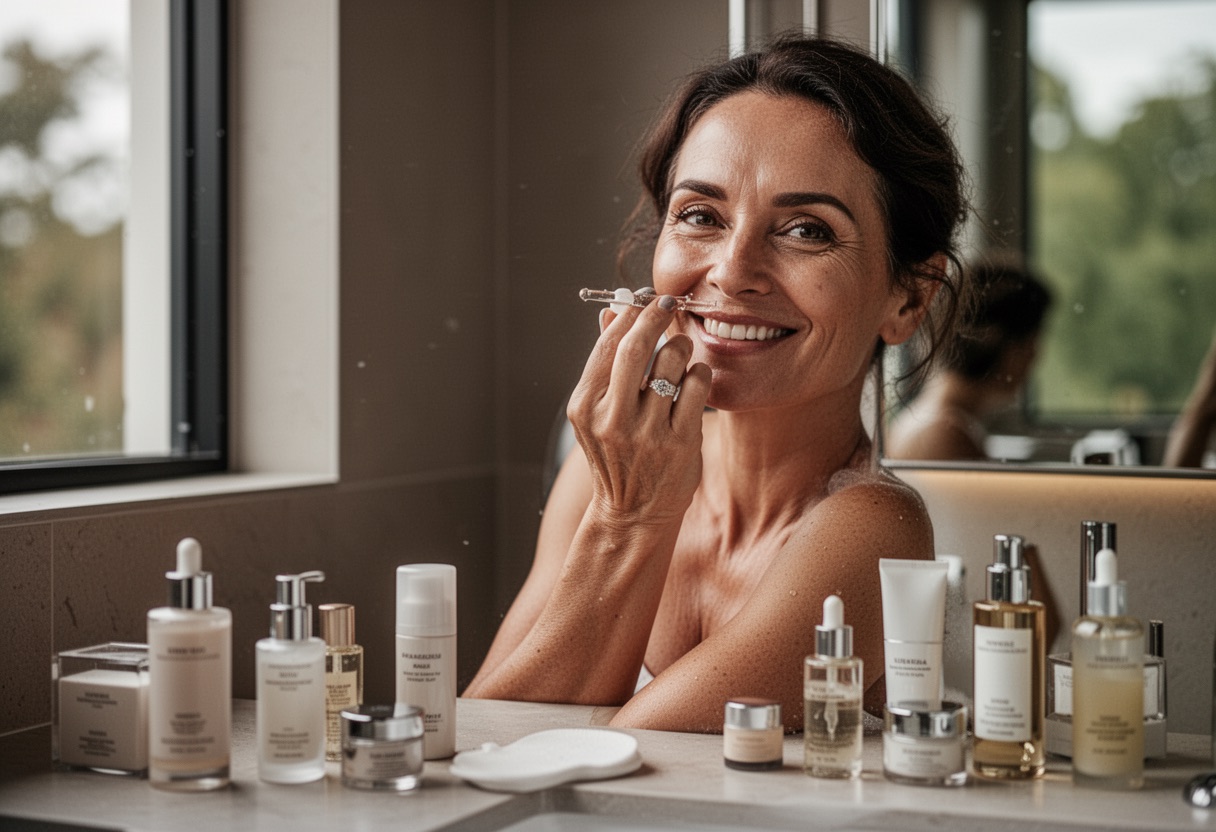
Morning: Gentle cleanser, vitamin C serum (10-20%), moisturiser with hyaluronic acid, broad-spectrum SPF 30+ sunscreen.
Evening: Gentle cleanser (double cleanse if wearing sunscreen), retinol (start low, go slow), moisturiser with ceramides and peptides.
Weekly: Gentle chemical exfoliation (lactic acid or glycolic acid at low concentration) to promote cell turnover. No harsh physical scrubs.
The key principles are consistency, gentleness (harsh products damage the skin barrier and accelerate aging), and always wearing sunscreen.

Scalar Energy as a Complementary Approach
For those exploring holistic strategies to support healthy aging, scalar energy therapy offers a non-invasive complementary option. Aging is fundamentally a process of declining cellular vitality — mitochondrial function decreases, repair mechanisms slow, and the body's ability to maintain homeostasis diminishes.
Scalar energy works with the body's biofield to promote balance and coherence at the cellular level. Users frequently report improvements in energy, sleep quality, stress resilience, and overall vitality — all factors that directly influence the rate of biological aging. By supporting the body's natural regulatory systems, scalar energy may help maintain the cellular conditions that favour repair, recovery, and resilience.
Scalar energy therapy does not replace the dietary, topical, exercise, and lifestyle strategies outlined in this article. It serves as an additional layer of support within a comprehensive approach to healthy aging. For a complete guide to scalar energy benefits, see scalar energy benefits complete guide.
If you are interested in experiencing how scalar energy might support your vitality, you can start a free trial here.
Frequently Asked Questions
What is the most effective natural anti-aging strategy?
Sun protection is, by a significant margin, the single most effective anti-aging strategy available — natural or otherwise. UV radiation is responsible for up to 80% of visible facial aging, including wrinkles, loss of elasticity, hyperpigmentation, and rough texture. This has been dramatically demonstrated in studies of truck drivers whose window-side face aged decades faster than their shaded side. Daily use of broad-spectrum SPF 30+ sunscreen, combined with protective clothing and shade-seeking behaviour, prevents more visible aging than any cream, supplement, or procedure. Beyond sun protection, the highest-impact natural strategies are retinol (the most evidence-backed anti-aging topical), adequate sleep (when the majority of skin repair occurs), regular exercise (which improves skin structure at a cellular level), and an antioxidant-rich diet. The best approach combines all of these rather than relying on any single intervention.
Do collagen supplements actually work for anti-aging?
Yes, and the evidence is stronger than many people expect. A systematic review of 19 randomised controlled trials involving over 1,100 participants found that oral collagen peptide supplementation (2.5-10 grams per day) significantly improved skin hydration, elasticity, and wrinkle depth compared to placebo, with effects becoming apparent after 8-12 weeks. Hydrolysed collagen peptides are broken down into small enough fragments to be absorbed through the gut and have been detected in the skin after oral ingestion. They appear to work both by providing raw materials for collagen synthesis and by stimulating fibroblasts (the cells that produce collagen) to increase their activity. The most studied types are Type I and Type III collagen from marine or bovine sources. For best results, take collagen with vitamin C, which is a required cofactor for collagen synthesis in the body.
Can you reverse aging naturally?
You cannot reverse chronological aging, but you can reverse some aspects of biological aging — the accumulated damage that makes you look and feel older. Sun damage, oxidative stress, chronic inflammation, and poor lifestyle habits accelerate biological aging beyond what your chronological age dictates. Addressing these factors can partially reverse their effects: retinol has been clinically proven to rebuild collagen and reverse some photodamage, exercise has been shown to reverse age-related changes in skin structure, caloric restriction and intermittent fasting activate cellular repair pathways (autophagy) that clear damaged proteins and organelles, and reducing chronic inflammation lowers the biological age of tissues. Recent research on NAD+ precursors (NMN, NR) and senolytics (compounds that clear senescent cells) suggests that more significant biological age reversal may become possible. The realistic goal is to slow the rate of aging and partially reverse accumulated damage — which is achievable through consistent natural strategies.
What supplements slow aging the most?
The supplements with the strongest evidence for slowing biological aging are CoQ10 (100-200 mg per day), which supports mitochondrial function and declines significantly with age; omega-3 fatty acids (2-3 grams EPA/DHA per day), which reduce chronic inflammation and may protect telomere length; vitamin D (2000-4000 IU per day or as needed to reach optimal blood levels of 40-60 ng/mL), which influences over 200 genes related to aging; resveratrol (250-500 mg per day), which activates sirtuins — longevity-associated proteins; and collagen peptides (5-10 grams per day), which improve skin aging markers. Emerging but promising supplements include NMN or NR (NAD+ precursors, 250-500 mg per day) and astaxanthin (4-12 mg per day). All of these work best in combination with the foundational strategies: sun protection, sleep, exercise, stress management, and an antioxidant-rich diet. No supplement compensates for poor lifestyle habits.
The information in this article is intended for general wellness and educational purposes only. It is not medical advice and does not replace consultation with a qualified healthcare professional.