
If you are dealing with persistent joint stiffness, unexplained fatigue, digestive discomfort, or brain fog, there is a good chance that chronic low-grade inflammation is playing a role. And one of the most practical questions people ask is simple: what can I drink to reduce inflammation? It is a fair question, because what you consume daily — including your beverages — directly influences the inflammatory pathways operating in your body right now.
The truth is that no single drink is a magic cure. But the research on anti-inflammatory drinks is surprisingly robust. Certain compounds found in teas, juices, and other whole-food beverages have been shown in clinical trials to reduce key inflammatory markers like C-reactive protein (CRP), interleukin-6 (IL-6), and tumor necrosis factor-alpha (TNF-alpha). These are the same markers your doctor measures when checking for chronic inflammation.
This article covers 15 drinks that reduce inflammation, backed by evidence, along with practical guidance on how to prepare them, when to drink them, and what to realistically expect. We also cover what beverages to avoid — because what you stop drinking matters as much as what you start.
If you are looking for a broader approach to reducing inflammation through food, our complete guide to anti-inflammatory foods covers the dietary foundations. For understanding the mechanisms behind chronic inflammation itself, see our article on chronic inflammation and natural remedies.
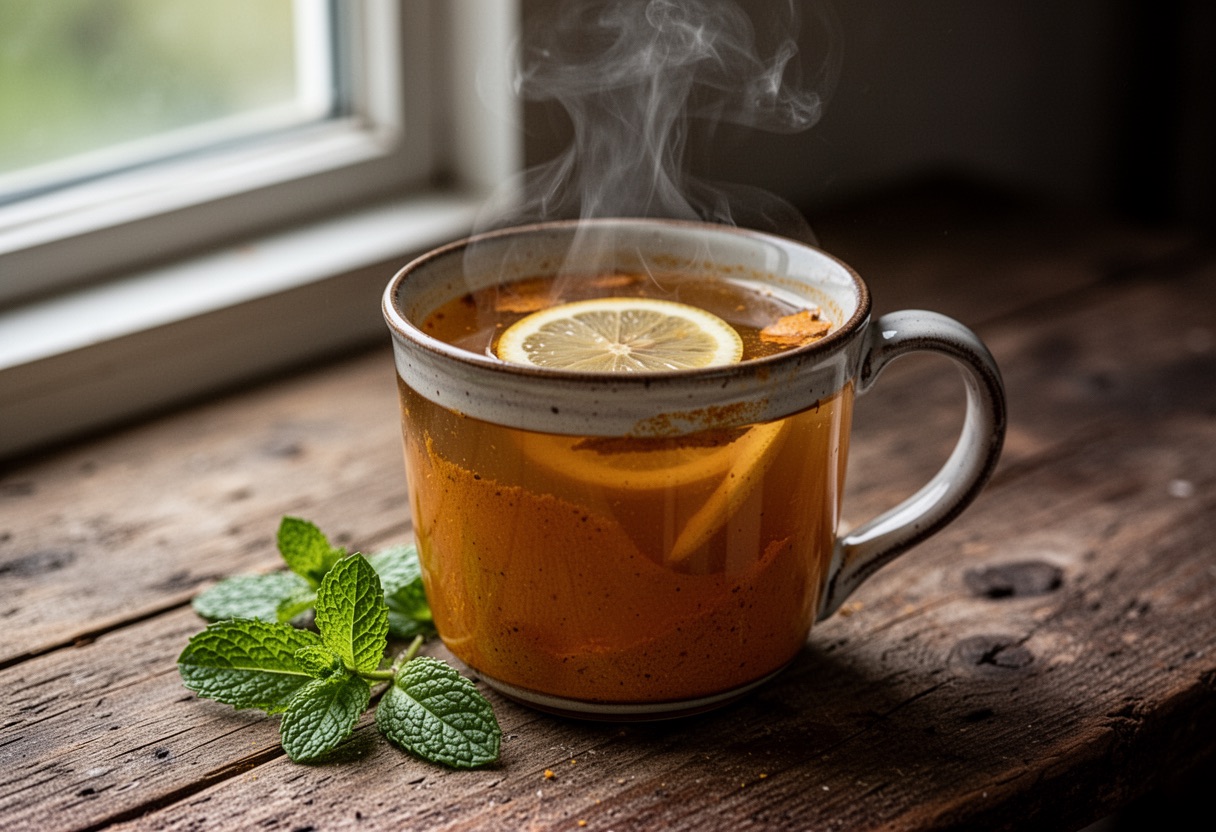
The 15 Best Anti-Inflammatory Drinks (And the Evidence Behind Them)
1. Green Tea
Green tea is arguably the most well-studied anti-inflammatory beverage in the world. Its primary active compound, epigallocatechin gallate (EGCG), directly inhibits the NF-kB inflammatory pathway — the master switch that controls the expression of dozens of inflammatory genes. A 2016 meta-analysis in the journal Medicine, reviewing 11 randomized controlled trials, found that green tea consumption significantly reduced CRP levels.
Beyond EGCG, green tea contains L-theanine, which promotes calm alertness without the cortisol spike associated with coffee. This matters because cortisol dysregulation is itself an inflammatory trigger.
How to prepare it: Steep loose-leaf or high-quality bagged green tea in water at 160-180 degrees Fahrenheit (not boiling, which makes it bitter) for 2-3 minutes. Add a squeeze of lemon — the vitamin C increases catechin absorption.
When to drink it: Morning or early afternoon. Aim for 2-3 cups per day. Avoid drinking it late in the day, as it does contain caffeine, though less than coffee.
2. Turmeric Golden Milk
Curcumin, the active compound in turmeric, is one of the most extensively researched natural anti-inflammatory agents. A 2019 meta-analysis published in the Journal of Clinical Medicine, analyzing 15 randomized controlled trials, found that curcumin supplementation significantly reduced circulating concentrations of CRP, IL-6, and TNF-alpha. The challenge with curcumin is bioavailability — on its own, very little is absorbed into the bloodstream.
This is where golden milk shines as a delivery system. The fat in milk (or coconut milk) enhances curcumin absorption because curcumin is fat-soluble. Adding black pepper increases bioavailability by up to 2,000 percent, thanks to piperine's inhibition of hepatic and intestinal glucuronidation.
How to prepare it: Heat 1 cup of whole milk, coconut milk, or oat milk. Whisk in 1 teaspoon ground turmeric, 1/4 teaspoon ground black pepper, 1/2 teaspoon ground cinnamon, and 1 teaspoon raw honey (optional). Simmer gently for 3-5 minutes. You can also add a small piece of fresh ginger for additional anti-inflammatory benefit.
When to drink it: Evening, 30-60 minutes before bed. The warmth and the combination of compounds make it an excellent wind-down ritual.
3. Ginger Tea
Ginger contains gingerols and shogaols — bioactive compounds that inhibit cyclooxygenase (COX) and lipoxygenase (LOX) enzymes, the same pathways targeted by NSAIDs like ibuprofen. A 2020 systematic review in the journal Phytotherapy Research found that ginger supplementation significantly reduced CRP and TNF-alpha in clinical trials. Ginger also supports digestion by accelerating gastric emptying, which is relevant because gut inflammation drives systemic inflammation.
How to prepare it: Slice 1-2 inches of fresh ginger root into thin rounds. Simmer in 2 cups of water for 10-15 minutes. The longer you simmer, the stronger and more pungent the tea becomes. Strain, and add lemon and raw honey to taste.
When to drink it: Morning or after meals. Ginger tea is particularly effective after eating, as it aids digestion and reduces post-meal inflammatory responses.
4. Tart Cherry Juice
Tart cherries (Montmorency variety) are exceptionally rich in anthocyanins — the same class of polyphenols that give blueberries and red cabbage their deep color. But tart cherries also contain unusually high levels of natural melatonin and specific anthocyanin profiles that show potent COX-2 inhibitory activity. A study published in the Journal of the International Society of Sports Nutrition found that tart cherry juice reduced inflammatory markers and muscle damage in marathon runners.
Separate research has shown that tart cherry juice reduces uric acid levels, making it particularly relevant for people dealing with gout, a painful inflammatory condition driven by uric acid crystallization.
How to prepare it: Use unsweetened, 100 percent tart cherry juice concentrate. Mix 1-2 tablespoons of concentrate into 8 ounces of water. Avoid sweetened versions, which negate the anti-inflammatory benefits with added sugar.
When to drink it: Evening is ideal — the natural melatonin content supports sleep, and sleep itself is a critical anti-inflammatory process. Post-exercise is another excellent timing for recovery.
5. Bone Broth
Bone broth provides a unique combination of anti-inflammatory compounds not found in other beverages. Glycine and proline, the amino acids released during long-simmered bone broth preparation, have direct anti-inflammatory properties. Glycine in particular has been shown to inhibit NF-kB activation and reduce TNF-alpha production. The collagen-derived gelatin supports gut lining integrity, which matters because increased intestinal permeability ("leaky gut") is a significant driver of systemic inflammation.
The glucosamine and chondroitin naturally present in bone broth also contribute to reduced joint inflammation, with a mechanism similar to the supplements commonly recommended for osteoarthritis.
How to prepare it: Place chicken, beef, or fish bones in a large pot or slow cooker. Add 2 tablespoons of apple cider vinegar (to help extract minerals from the bones), cover with water, and simmer for 12-24 hours. Add vegetables and herbs in the last 1-2 hours. Strain and season with sea salt.
When to drink it: Morning (as a coffee alternative) or evening. Many people find a warm cup of bone broth in the morning reduces joint stiffness throughout the day.
6. Celery Juice
Celery contains apigenin and luteolin, two flavonoids that inhibit the production of pro-inflammatory cytokines. Apigenin has been shown in laboratory studies to suppress NF-kB activation and reduce IL-6 production. While the clinical trial evidence for celery juice specifically is less robust than for green tea or turmeric, the individual compounds it contains have strong anti-inflammatory profiles. Celery juice also provides natural nitrates that support blood vessel function and may help reduce vascular inflammation.
How to prepare it: Juice 1 full bunch of organic celery using a juicer or blender (strain through a nut milk bag if blending). Drink immediately — the beneficial compounds begin degrading once exposed to air and light.
When to drink it: Morning on an empty stomach, about 15-20 minutes before breakfast. This timing maximizes absorption of the active compounds.
7. Pineapple Juice (Bromelain)
Pineapple contains bromelain, a proteolytic enzyme complex with well-documented anti-inflammatory properties. Bromelain modulates prostaglandin synthesis, reduces neutrophil migration to inflamed sites, and has been shown in clinical trials to reduce post-surgical swelling and inflammation. A review in Biomedical Reports noted that bromelain demonstrates anti-inflammatory, anti-edematous, and analgesic properties comparable to some pharmaceutical interventions.
The catch is that commercial pineapple juice is often pasteurized, which can destroy bromelain. Fresh is far better.
How to prepare it: Juice fresh pineapple, including some of the core where bromelain concentration is highest. Combine with fresh ginger for a potent anti-inflammatory combination. Drink within 20 minutes of juicing.
When to drink it: Between meals on an empty stomach. When taken with food, bromelain acts as a digestive enzyme; on an empty stomach, it enters the bloodstream and exerts systemic anti-inflammatory effects.
8. Matcha
Matcha is powdered whole green tea leaf, meaning you consume the entire leaf rather than just an infusion. This delivers substantially higher concentrations of EGCG and other catechins compared to steeped green tea — up to 137 times more EGCG, according to a study published in the Journal of Chromatography. Matcha also contains higher levels of L-theanine than regular green tea, contributing to its calming yet focused effect.
The chlorophyll in matcha, which gives it its distinctive bright green color, has additional anti-inflammatory properties and supports detoxification pathways in the liver.
How to prepare it: Sift 1-2 teaspoons of ceremonial-grade matcha into a bowl or cup. Add 2 ounces of hot water (170 degrees Fahrenheit, not boiling). Whisk vigorously with a bamboo chasen or milk frother until frothy. Add more hot water or steamed milk to fill the cup.
When to drink it: Morning, as a coffee replacement. The L-theanine moderates the caffeine, providing alert energy without jitteriness.
9. Warm Lemon Water
Warm lemon water is the simplest entry on this list, but it earns its place. Lemons contain vitamin C, a water-soluble antioxidant that scavenges free radicals and reduces oxidative stress — a direct precursor to inflammatory signaling. The citric acid in lemons also supports liver detoxification, and the liver plays a central role in modulating systemic inflammation through its production of CRP and other acute-phase proteins.
Additionally, starting the day with warm lemon water stimulates digestive secretions and supports hydration, both of which contribute to lower inflammatory load. It is not the most potent anti-inflammatory drink on this list, but its simplicity and safety make it an excellent daily baseline.
How to prepare it: Squeeze the juice of half a fresh lemon into 8-12 ounces of warm (not boiling) water. Drink through a straw if you are concerned about enamel erosion from the citric acid.
When to drink it: First thing in the morning, before food or other beverages.
10. Beet Juice
Beets are rich in betalains — the pigments responsible for their deep red color — which have demonstrated anti-inflammatory activity in both laboratory and human studies. Betalains inhibit NF-kB signaling and reduce the activity of COX-2 enzymes. Beets are also one of the richest dietary sources of nitrates, which the body converts to nitric oxide. Nitric oxide improves blood flow, reduces blood pressure, and helps resolve vascular inflammation.
A 2016 study in Nutrients found that beetroot juice consumption reduced inflammatory markers in overweight individuals over two weeks of consistent intake.
How to prepare it: Juice 2-3 medium beets with 1 apple and a thumb of ginger to balance the earthy flavor. Alternatively, use beet juice powder mixed into water or a smoothie.
When to drink it: Morning or pre-exercise. The nitrate content enhances exercise performance, and the anti-inflammatory compounds support recovery.
Anti-Inflammatory Drinks You Can Sip Throughout the Day
11. Pomegranate Juice
Experience Scalar Energy for Free
Start your 6-day remote scalar energy trial — no payment, no commitment.
Start My Free 6-Day Trial →Pomegranate juice contains punicalagins and punicic acid, polyphenols that are among the most potent antioxidants found in any food. A study in the journal Atherosclerosis found that pomegranate juice consumption for one year reduced carotid artery intima-media thickness (a marker of vascular inflammation) by up to 30 percent compared to a placebo group. Pomegranate polyphenols also inhibit NF-kB and reduce the oxidation of LDL cholesterol, a key step in atherogenesis.
How to prepare it: Use 100 percent pure pomegranate juice with no added sugar. Drink 4-8 ounces per day. Because it is calorie-dense, diluting it with sparkling water makes it easier to consume regularly without excess sugar intake.
When to drink it: With meals, as the polyphenols may support post-meal antioxidant defense.
12. Kombucha
Kombucha is fermented tea that provides both the polyphenols from the base tea (typically green or black) and the organic acids, B vitamins, and probiotic organisms generated during fermentation. The gut microbiome is a central regulator of systemic inflammation, and fermented beverages support microbial diversity. Glucuronic acid in kombucha also supports Phase II liver detoxification.
The anti-inflammatory benefits of kombucha are indirect but meaningful — a healthier gut microbiome produces more short-chain fatty acids (butyrate, propionate, acetate), which directly suppress inflammatory cytokine production in the gut lining and systemically. For more on the gut-inflammation connection, see our article on IBS and natural remedies.
How to prepare it: Choose raw, unpasteurized kombucha with live cultures and low sugar content (under 5 grams per serving). Or brew your own with a SCOBY, tea, and sugar — the fermentation process consumes most of the sugar.
When to drink it: With lunch or as an afternoon refreshment. Limit to 8-12 ounces per day, especially when first introducing it.
13. Aloe Vera Juice
Aloe vera contains acemannan, a polysaccharide with immunomodulatory properties, as well as anthraquinones and salicylic acid — a compound related to aspirin. Research published in the Journal of Environmental Science and Health found that aloe vera compounds inhibit COX-2 and reduce prostaglandin E2 production. Aloe is particularly noted for its effects on gut inflammation, supporting the intestinal mucosal lining and reducing inflammatory markers in conditions like irritable bowel syndrome.
How to prepare it: Use inner-leaf aloe vera juice (not whole-leaf, which contains aloin that can irritate the digestive tract). Start with 1-2 ounces daily and increase to 4 ounces. Mix with water or add to smoothies.
When to drink it: Morning, on an empty stomach, or 20 minutes before meals to support digestive function.
14. Blueberry Smoothie
Blueberries are among the highest-antioxidant foods measured by ORAC (Oxygen Radical Absorbance Capacity) scoring. Their anthocyanins — specifically malvidin, delphinidin, and cyanidin — cross the blood-brain barrier, making blueberries one of the few foods that directly address neuroinflammation. A study in the European Journal of Nutrition found that daily blueberry consumption significantly reduced NF-kB activation and circulating inflammatory markers in adults with metabolic syndrome.
Blending blueberries into a smoothie allows you to combine multiple anti-inflammatory ingredients into a single drink.
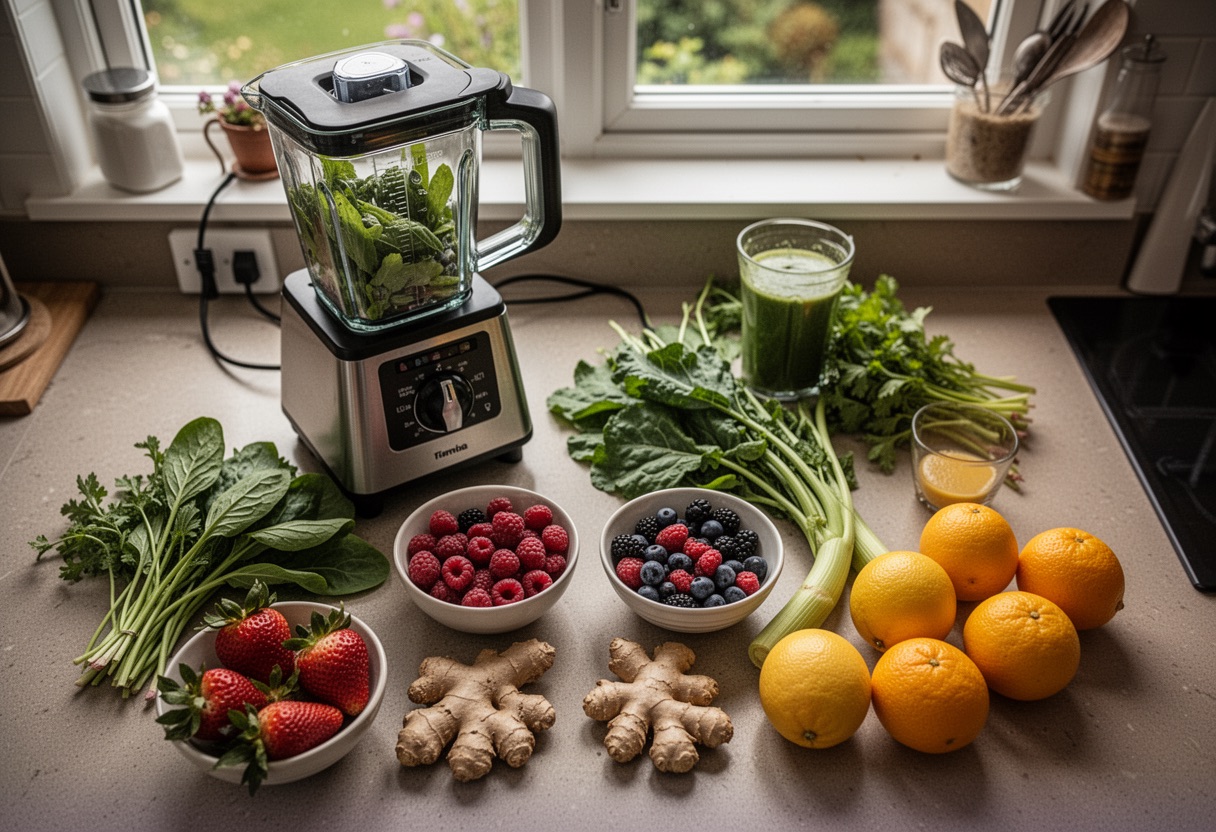
How to prepare it: Blend 1 cup frozen wild blueberries, 1 cup spinach or kale, 1/2 banana, 1 tablespoon ground flaxseed, 1 teaspoon turmeric, and 1 cup unsweetened almond milk or coconut water. This combination delivers anthocyanins, omega-3 ALA, curcumin, and chlorophyll in a single glass.
When to drink it: Morning, as a breakfast or post-workout recovery drink.
15. Anti-Inflammatory Herbal Teas: Chamomile, Rooibos, and Nettle
These three caffeine-free herbal teas each bring distinct anti-inflammatory mechanisms:
Chamomile contains apigenin and bisabolol, compounds that inhibit nitric oxide and prostaglandin E2 production. A study in Molecular Medicine Reports found that chamomile extract significantly reduced TNF-alpha and IL-6 in human cell models. Chamomile also promotes sleep quality, and sleep deprivation is one of the most potent inflammatory triggers known.
Rooibos (red bush tea from South Africa) is rich in aspalathin and nothofagin, two antioxidants unique to this plant. Research in the journal Phytomedicine showed that rooibos polyphenols inhibit vascular inflammation and reduce LDL oxidation. Its naturally sweet flavor makes it an easy substitute for sweetened beverages.
Nettle tea has a long history of use for inflammatory conditions, particularly allergies and joint pain. Nettle inhibits NF-kB activation and reduces the production of multiple pro-inflammatory cytokines. A study in Phytomedicine found that nettle extract significantly reduced TNF-alpha production by immune cells stimulated with lipopolysaccharide.
How to prepare them: Steep 1-2 teaspoons of dried herb (or one tea bag) in just-boiled water for 5-7 minutes. These teas can be steeped longer than green tea without becoming bitter.
When to drink them: Evening for chamomile (supports sleep), any time of day for rooibos and nettle. These caffeine-free options fill the gap when you have reached your caffeine limit for the day.
Three Simple Anti-Inflammatory Drink Recipes
Here are three easy recipes that combine multiple anti-inflammatory ingredients for maximum benefit.
Morning Anti-Inflammatory Tonic
- 1 cup warm water
- Juice of 1/2 lemon
- 1-inch piece of fresh ginger, grated
- 1/2 teaspoon ground turmeric
- Pinch of black pepper
- 1 teaspoon raw honey
Combine all ingredients and stir well. Drink first thing in the morning. This delivers vitamin C, gingerols, curcumin, and piperine in a single glass — a combination that targets multiple inflammatory pathways simultaneously.
Berry Anti-Inflammatory Smoothie
- 1 cup frozen wild blueberries
- 1/2 cup frozen tart cherries
- 1 cup unsweetened coconut milk
- 1 tablespoon ground flaxseed
- 1/2 teaspoon turmeric
- 1/4 teaspoon cinnamon
- 1 scoop collagen peptides (optional)
Blend until smooth. This smoothie delivers anthocyanins from two potent sources, omega-3 ALA from flaxseed, and curcumin — all in a form that tastes genuinely good.
Evening Golden Milk (Enhanced)
- 1 cup oat milk or coconut milk
- 1 teaspoon ground turmeric
- 1/2 teaspoon ground cinnamon
- 1/4 teaspoon ground ginger
- 1/4 teaspoon ground black pepper
- 1 teaspoon coconut oil
- 1 teaspoon raw honey or maple syrup
Heat the milk gently in a small saucepan. Whisk in all remaining ingredients and simmer for 3-4 minutes. The coconut oil provides fat for curcumin absorption, and the warmth makes it an ideal pre-sleep ritual.
What Drinks to Avoid: Beverages That Drive Inflammation
Knowing what to drink is only half the equation. Several common beverages actively promote inflammatory signaling, and removing them may be as impactful as adding anti-inflammatory drinks.
Soda and sugary soft drinks. These deliver concentrated doses of sugar (often high-fructose corn syrup) that spike blood glucose, trigger insulin surges, and activate NF-kB — the same inflammatory master switch that anti-inflammatory compounds work to suppress. A study in the American Journal of Clinical Nutrition found that consuming one or two sugary drinks per day increased CRP by 26 percent compared to consuming less than one per month.
Alcohol. Even moderate alcohol consumption increases intestinal permeability, allowing bacterial endotoxins (lipopolysaccharides) to enter the bloodstream and activate immune cells. Alcohol metabolism produces acetaldehyde, a directly inflammatory compound. Chronic alcohol use elevates CRP, IL-6, and TNF-alpha through multiple mechanisms. If you are trying to reduce inflammation, alcohol is one of the first things to reconsider.
Excessive coffee (more than 4 cups per day). Coffee in moderate amounts (1-3 cups) actually has anti-inflammatory properties due to its polyphenol content. However, excessive consumption elevates cortisol, disrupts sleep, and can contribute to the stress-inflammation cycle. The dose makes the difference.
Commercially processed fruit juices with added sugar. Orange juice, apple juice, and other "fruit" juices in the grocery store often contain as much sugar as soda, with the fiber stripped away. Without fiber to slow absorption, the fructose hits the liver rapidly, driving de novo lipogenesis and uric acid production — both inflammatory triggers. Whole fruit is anti-inflammatory; processed juice with added sugar is not.
Energy drinks. These combine high sugar content with stimulants that amplify cortisol and the stress response, creating a double inflammatory hit.
How to Build an Anti-Inflammatory Drinks Routine
Rather than trying to incorporate all 15 drinks at once, build a simple daily framework:
Morning: Start with warm lemon water, followed by green tea or matcha. On days you want something more substantial, make the morning anti-inflammatory tonic or blueberry smoothie.
Midday: A cup of green tea, ginger tea, or kombucha with lunch.
Afternoon: Rooibos or nettle tea when you want something warm without caffeine. Beet juice or celery juice as an afternoon pick-me-up.
Evening: Golden milk, chamomile tea, or bone broth. Tart cherry juice if you need sleep support.
The goal is not perfection — it is consistent, daily exposure to anti-inflammatory compounds from multiple sources. Even incorporating two or three of these drinks into your routine will meaningfully shift your inflammatory balance over time.
Supporting Your Body Beyond What You Drink
Anti-inflammatory drinks are one layer of a comprehensive approach. Diet, sleep, stress management, and movement all influence inflammatory signaling. If you are dealing with persistent inflammation, consider exploring how scalar energy sessions may support your body's natural anti-inflammatory processes. Many people find that combining dietary changes with energy-based approaches produces results that neither achieves alone.
If you are curious about trying a holistic approach to inflammation, you can sign up for a free 6-day remote scalar energy trial — sessions are delivered passively while you sleep, requiring no effort on your part.

What Can I Drink to Reduce Inflammation? The Bottom Line
The question of what can I drink to reduce inflammation has a clear, evidence-backed answer: green tea, turmeric golden milk, ginger tea, tart cherry juice, bone broth, and the other anti-inflammatory drinks covered in this article all contain compounds shown in clinical research to reduce key inflammatory markers. The most important factors are consistency and quality — choose whole-food-based drinks, avoid added sugars, and make them a daily habit rather than an occasional gesture.
At the same time, remove the beverages that are actively working against you. Swapping a daily soda for green tea, or an evening cocktail for golden milk, creates a net inflammatory shift that compounds over weeks and months. Pair these drinks with an anti-inflammatory diet, adequate sleep, and natural strategies for managing chronic inflammation, and you give your body the conditions it needs to resolve the low-grade inflammation that underlies so many modern health complaints.
Start simple. Pick two or three drinks from this list that appeal to you. Make them part of your morning or evening routine. Pay attention to how you feel after four to six weeks. The evidence suggests you will notice the difference.
Frequently Asked Questions
What is the most powerful anti-inflammatory drink?
Green tea is widely regarded as one of the most powerful anti-inflammatory drinks, primarily due to its high concentration of epigallocatechin gallate (EGCG). Research published in the Journal of Nutritional Biochemistry shows EGCG inhibits the NF-kB inflammatory pathway, one of the master switches for inflammatory gene expression. Turmeric golden milk is another strong contender — curcumin has been shown in multiple meta-analyses to significantly reduce CRP, IL-6, and TNF-alpha. For maximum benefit, combine several anti-inflammatory drinks throughout the day rather than relying on a single one.
How quickly can anti-inflammatory drinks reduce inflammation?
The timeline depends on the severity of your inflammation and how consistently you incorporate these drinks. Some compounds, like the EGCG in green tea, begin modulating inflammatory pathways within hours of consumption. However, measurable reductions in blood inflammatory markers like hs-CRP typically require 4 to 8 weeks of consistent daily intake. Tart cherry juice has shown effects on muscle inflammation within 48 hours in exercise studies. The key is consistency — drinking one cup of turmeric tea once will not produce lasting results, but daily intake over several weeks will.
Can I drink anti-inflammatory drinks while taking medication?
Most anti-inflammatory drinks are safe alongside common medications, but some interactions exist. Green tea can reduce the effectiveness of certain blood thinners like warfarin. Turmeric in large amounts may interact with blood-thinning medications, diabetes drugs, and some chemotherapy agents. Grapefruit juice (not covered here, but worth noting) interacts with many medications by inhibiting the CYP3A4 enzyme. If you take prescription medications — especially blood thinners, diabetes medications, or immunosuppressants — consult your healthcare provider before adding concentrated anti-inflammatory drinks to your daily routine.
What drinks should I avoid if I have chronic inflammation?
The biggest offenders are sugary sodas and soft drinks, which spike blood glucose and activate the NF-kB inflammatory pathway. Alcohol, even in moderate amounts, increases intestinal permeability and drives liver inflammation through acetaldehyde production. Excessive coffee (more than 4 cups per day) can elevate cortisol and contribute to inflammatory stress. Commercially processed fruit juices with added sugars deliver a concentrated fructose load that drives hepatic inflammation. Energy drinks combine high sugar with stimulants that amplify the stress-inflammation cycle. Replace these with the whole-food-based drinks discussed in this article.
The information in this article is intended for general wellness and educational purposes only. It is not medical advice and does not replace consultation with a qualified healthcare professional. If you are experiencing persistent inflammatory symptoms or have a diagnosed inflammatory condition, please consult your doctor before making significant changes to your diet or supplement routine.
Related Reading
- Chronic Inflammation: Natural Remedies That Actually Reduce It — understanding what drives chronic inflammation and the full evidence-based approach to reducing it
- Scalar Energy and Inflammation — how scalar energy sessions may support your body's natural anti-inflammatory processes
- IBS Natural Remedies — the gut-inflammation connection and what to do about digestive inflammation
- Anti-Inflammatory Foods: Complete Guide — the dietary foundations that complement what you drink
- Try the Free 6-Day Remote Trial — passive scalar energy sessions delivered while you sleep