
Chronic low-grade inflammation sits at the root of most modern chronic diseases -- cardiovascular disease, type 2 diabetes, neurodegenerative conditions, autoimmune disorders, depression, and many cancers. If you are looking for the best supplements to reduce inflammation in the body, you are asking the right question, but you need the right framework. Not all supplements marketed as "anti-inflammatory" have meaningful evidence behind them, and even the effective ones require the correct form, dose, and context to work.
This guide ranks the most evidence-backed natural supplements for inflammation by the strength of their clinical research, explains how each one actually works at the molecular level, and covers the practical details that determine whether a supplement will help you or simply drain your wallet: dosage, bioavailability, what to look for on labels, and potential drug interactions.
Before we begin: supplements are supplements. They work best layered on top of an anti-inflammatory diet, adequate sleep, regular movement, and stress management. If those foundations are missing, no capsule will compensate. For a deeper look at the dietary foundation, see our complete guide to anti-inflammatory foods. For the broader picture of what drives chronic inflammation and how to address it holistically, read our article on chronic inflammation and natural remedies.

The Best Anti-Inflammatory Supplements, Ranked by Evidence
1. Omega-3 Fatty Acids (EPA and DHA Fish Oil)
Why it works: EPA and DHA are the two omega-3 fatty acids with the strongest anti-inflammatory evidence. They compete with arachidonic acid (an omega-6 fat) for incorporation into cell membranes. Once incorporated, they serve as precursors to specialized pro-resolving mediators (SPMs) -- resolvins, protectins, and maresins -- that actively shut down the inflammatory cascade rather than just suppressing it. EPA and DHA also inhibit the NF-kB pathway, reduce production of pro-inflammatory cytokines (IL-1, IL-6, TNF-alpha), and decrease expression of adhesion molecules on endothelial cells.
What the research says: A 2019 meta-analysis in the journal Atherosclerosis analyzing 68 randomized controlled trials found that omega-3 supplementation significantly reduced CRP, IL-6, and TNF-alpha. The REDUCE-IT trial demonstrated a 25% reduction in major cardiovascular events with high-dose EPA (icosapent ethyl, 4 g/day) in statin-treated patients with elevated triglycerides. Multiple systematic reviews confirm dose-dependent anti-inflammatory effects, with stronger results at higher EPA doses.
Recommended dosage: 2-4 grams of combined EPA and DHA per day for anti-inflammatory purposes. Higher EPA relative to DHA appears to produce stronger anti-inflammatory effects. For general health maintenance, 1-2 grams per day is reasonable.
What to look for: Triglyceride or re-esterified triglyceride form (not ethyl ester, which has lower bioavailability). Third-party tested for heavy metals, PCBs, and oxidation (look for IFOS 5-star rating or NSF certification). Check the EPA and DHA content on the supplement facts panel -- the total fish oil weight is not what matters; only the EPA+DHA content counts. Store in the refrigerator after opening.
Interactions and cautions: Omega-3s at high doses (above 3 g/day) can increase bleeding time. Use with caution alongside anticoagulants (warfarin, heparin) and antiplatelet drugs (aspirin, clopidogrel). Discontinue or reduce dose 1-2 weeks before surgery. Fish oil can lower blood pressure modestly, so monitor if you are on antihypertensives.
2. Curcumin (with Piperine or Enhanced Bioavailability)
Why it works: Curcumin, the principal curcuminoid in turmeric, is one of the most extensively studied natural anti-inflammatory compounds. It inhibits NF-kB activation -- the master transcription factor controlling inflammatory gene expression -- and blocks multiple steps in the inflammatory cascade, including COX-2, LOX, and iNOS enzymes. It also modulates over 700 genes involved in inflammation, cell survival, and oxidative stress.
The catch: native curcumin has extremely poor bioavailability. Roughly 1% of an oral dose reaches the bloodstream without enhancement. This is why co-administration with piperine (black pepper extract, which inhibits glucuronidation in the gut and liver) or use of enhanced formulations is essential.
What the research says: A 2019 meta-analysis of 15 RCTs published in Phytotherapy Research found that curcumin supplementation significantly reduced CRP levels compared to placebo. A systematic review in the Journal of Medicinal Food confirmed significant reductions in both CRP and MDA (a marker of oxidative stress). In head-to-head comparisons, curcumin at 1500 mg/day with piperine performed comparably to diclofenac (a prescription NSAID) for knee osteoarthritis pain, with fewer gastrointestinal side effects.
Recommended dosage: 500-1500 mg of curcuminoids per day, taken with piperine (5-20 mg) or in an enhanced-absorption formulation (Meriva, Longvida, CurcuWIN, or BCM-95). Take with a fat-containing meal for better absorption.
What to look for: Standardized to 95% curcuminoids. Must include piperine or use a bioavailable delivery system. Raw turmeric root or generic "turmeric" capsules do not deliver therapeutic curcuminoid levels. Avoid products that list only "turmeric root powder" without specifying curcuminoid content.
Interactions and cautions: Curcumin inhibits several cytochrome P450 enzymes (CYP3A4, CYP1A2, CYP2D6), which can alter metabolism of many drugs. Use caution with blood thinners (additive anticoagulant effect), diabetes medications (may enhance hypoglycemic effects), and immunosuppressants. High doses may cause digestive discomfort. Avoid during pregnancy in supplemental doses.
3. Vitamin D
Why it works: Vitamin D is not just a vitamin -- it functions as a steroid hormone with receptors on virtually every cell type, including immune cells. It promotes the production of anti-inflammatory cytokines (IL-10) while suppressing pro-inflammatory ones (IL-17, IL-6, TNF-alpha). It enhances innate antimicrobial defenses while dampening overactive adaptive immune responses -- a unique dual regulatory role that no other single nutrient provides.
What the research says: Vitamin D deficiency (below 20 ng/mL) is consistently associated with elevated CRP and inflammatory markers across large epidemiological studies. A 2020 meta-analysis in Medicine examining 24 RCTs found that vitamin D supplementation significantly reduced CRP, particularly in individuals who were deficient at baseline. The VITAL trial (25,871 participants) found reduced autoimmune disease incidence by 22% with vitamin D supplementation over 5 years.
Recommended dosage: 2000-5000 IU per day for most adults. Test your 25-hydroxyvitamin D level and aim for 40-60 ng/mL. Some individuals, particularly those who are obese, dark-skinned, or living at northern latitudes, may require higher doses under medical supervision.
What to look for: Vitamin D3 (cholecalciferol), not D2 (ergocalciferol) -- D3 is more effective at raising and maintaining blood levels. Take with a fat-containing meal. Softgels or liquid drops in an oil base are preferable to dry tablets.
Interactions and cautions: Vitamin D increases calcium absorption, so excessive doses can cause hypercalcemia. Use caution with thiazide diuretics (which also raise calcium) and digoxin. Do not megadose without monitoring blood levels -- toxicity is rare but real above 100 ng/mL.
4. Magnesium
Why it works: Magnesium serves as a cofactor in over 600 enzymatic reactions, many involved in inflammatory regulation. Low magnesium increases NF-kB activation and raises CRP, IL-6, and TNF-alpha. Approximately 50% of the US population consumes less than the estimated average requirement for magnesium, making subclinical deficiency extremely common. Magnesium also regulates the hypothalamic-pituitary-adrenal (HPA) axis, which means it indirectly reduces inflammation by modulating the stress response.
What the research says: A 2017 meta-analysis in European Journal of Clinical Nutrition of 11 RCTs found that magnesium supplementation significantly reduced CRP levels, particularly in individuals with elevated baseline CRP. Epidemiological studies consistently associate higher magnesium intake with lower inflammatory markers and reduced risk of metabolic syndrome.
Recommended dosage: 200-400 mg of elemental magnesium per day (in addition to dietary intake). Magnesium glycinate or magnesium taurate are preferred for bioavailability and tolerability. Magnesium citrate is acceptable but may cause loose stools at higher doses. Avoid magnesium oxide, which has poor absorption (~4%).
What to look for: Check the elemental magnesium content, not the total compound weight (e.g., 2000 mg of magnesium glycinate contains roughly 200 mg of elemental magnesium). Chelated forms (glycinate, taurate, malate) are better absorbed.
Interactions and cautions: Magnesium can reduce absorption of bisphosphonates, tetracycline antibiotics, and fluoroquinolones if taken simultaneously -- separate by 2-4 hours. High doses can cause diarrhea. Use caution in renal insufficiency, as impaired kidneys cannot excrete excess magnesium efficiently.
5. Zinc
Why it works: Zinc is essential for immune regulation and acts as a gatekeeper for inflammatory signaling. It inhibits NF-kB activation by inducing the protein A20, a key negative regulator of inflammatory pathways. Zinc deficiency increases oxidative stress and elevates pro-inflammatory cytokines. Like magnesium, subclinical zinc deficiency is widespread, particularly in older adults, vegetarians, and people with gastrointestinal conditions that impair absorption.
What the research says: A 2017 meta-analysis published in Nutrients found that zinc supplementation significantly reduced CRP levels. A systematic review in Biological Trace Element Research confirmed reductions in CRP and IL-6 with zinc supplementation, with effects strongest in individuals who were deficient at baseline.
Recommended dosage: 15-30 mg of elemental zinc per day. Do not exceed 40 mg per day long-term without medical supervision, as excess zinc depletes copper.
What to look for: Zinc picolinate, zinc citrate, or zinc bisglycinate for superior absorption. Avoid zinc oxide (poorly absorbed). If supplementing above 15 mg/day long-term, pair with 1-2 mg of copper to prevent copper depletion.
Interactions and cautions: Zinc competes with copper for absorption -- chronic high-dose zinc without copper supplementation can cause copper deficiency and associated anemia. Zinc can reduce absorption of certain antibiotics and penicillamine. Take on an empty stomach or with a light snack to avoid nausea but avoid taking with high-phytate meals (grains, legumes), which impair zinc absorption.
6. Quercetin
Why it works: Quercetin is a flavonoid found in onions, apples, berries, and green tea. It stabilizes mast cells (reducing histamine release), inhibits NF-kB and MAPK inflammatory signaling pathways, and acts as a potent antioxidant. It also inhibits COX-2 and LOX enzymes, blocking the production of pro-inflammatory prostaglandins and leukotrienes.
What the research says: A 2019 meta-analysis of 9 RCTs found that quercetin supplementation significantly reduced CRP and IL-6 levels. Effects were most pronounced at doses above 500 mg/day and in studies lasting longer than 8 weeks. Quercetin has also shown benefit in reducing markers of endothelial inflammation in people with cardiovascular risk factors.
Recommended dosage: 500-1000 mg per day, divided into two doses. Take with a fat-containing meal. Bioavailability is improved in phytosome form or when taken with vitamin C or bromelain.
What to look for: Quercetin dihydrate or quercetin phytosome (Quercefit) for enhanced absorption. Plain quercetin powder has low bioavailability on its own.
Interactions and cautions: Quercetin inhibits CYP3A4 and CYP2C9 enzymes, potentially interacting with cyclosporine, felodipine, and other CYP3A4 substrates. May enhance the effect of blood thinners. Use caution with antibiotics (quercetin can affect bacterial metabolism in the gut).
7. Boswellia Serrata (Indian Frankincense)
Why it works: Boswellic acids -- particularly acetyl-11-keto-beta-boswellic acid (AKBA) -- selectively inhibit 5-lipoxygenase (5-LOX), an enzyme responsible for producing leukotrienes, which are potent inflammatory mediators. Unlike NSAIDs, which primarily block COX enzymes, boswellia targets a different arm of the inflammatory cascade, making it complementary to other approaches.
What the research says: Multiple RCTs have demonstrated significant benefit for osteoarthritis, with one 90-day trial showing boswellia extract significantly reduced pain and improved physical function compared to placebo. A systematic review in BMC Complementary Medicine and Therapies confirmed benefit for inflammatory joint conditions. Emerging evidence also supports its use in inflammatory bowel disease and asthma.
Recommended dosage: 300-500 mg of standardized extract (containing at least 30% AKBA) taken 2-3 times daily.
What to look for: Standardized to AKBA content. ApresFlex (Aflapin) is a well-studied branded extract with enhanced bioavailability. Generic "boswellia" without standardization may not deliver therapeutic levels.
Interactions and cautions: May enhance the effects of anti-inflammatory drugs. Theoretical interaction with immunosuppressants. Generally well-tolerated, but can cause mild GI upset, acid reflux, or nausea in some individuals. For more on natural approaches to joint inflammation, see our guide on joint pain and arthritis natural remedies.
8. Resveratrol
Why it works: Resveratrol, a polyphenol found in red grape skins, red wine, and Japanese knotweed, activates sirtuins (particularly SIRT1) and AMPK -- two cellular pathways that regulate inflammation, metabolic health, and cellular stress responses. It inhibits NF-kB and suppresses COX-2 expression. Resveratrol also enhances the function of regulatory T cells, which are critical for keeping inflammatory responses in check.
What the research says: A 2019 meta-analysis of 24 RCTs published in Clinical Nutrition found that resveratrol supplementation significantly reduced CRP, TNF-alpha, and IL-6. Effects were more pronounced in patients with metabolic syndrome, type 2 diabetes, and obesity -- conditions characterized by high baseline inflammation.
Recommended dosage: 150-500 mg per day of trans-resveratrol. Higher doses (above 1 g/day) have not shown additional benefit and may cause GI side effects.
What to look for: Trans-resveratrol (the biologically active form), not cis-resveratrol. Source should be Japanese knotweed (Polygonum cuspidatum) extract or grape extract standardized to trans-resveratrol content.
Interactions and cautions: Resveratrol inhibits CYP3A4 and CYP1A2 enzymes and can interact with blood thinners, statins, and immunosuppressants. May have mild estrogenic activity -- use caution in hormone-sensitive conditions.
9. Bromelain
Why it works: Bromelain is a mixture of proteolytic enzymes derived from pineapple stems. It reduces inflammation by modulating prostaglandin synthesis, reducing bradykinin levels, and breaking down fibrin (which can perpetuate inflammation). It also modulates immune cell activation and has been shown to reduce neutrophil migration to inflamed tissues.
What the research says: Bromelain has been studied in surgical recovery, sinusitis, and osteoarthritis. A systematic review found evidence supporting its use in reducing postoperative swelling and pain. In osteoarthritis, bromelain at 500-2000 mg/day showed efficacy comparable to diclofenac in some trials. Evidence for systemic anti-inflammatory effects is moderate but growing.
Recommended dosage: 500-2000 GDU (gelatin digesting units) per day, taken on an empty stomach for systemic anti-inflammatory effects (taken with meals, it acts as a digestive enzyme instead).
What to look for: Potency measured in GDU or MCU (milk clotting units), not milligrams. A quality product will specify enzymatic activity.
Interactions and cautions: Increases bleeding risk -- avoid with anticoagulants and before surgery. May enhance absorption of certain antibiotics (amoxicillin, tetracycline). Can cause GI discomfort. Avoid if allergic to pineapple.
10. Probiotics
Why it works: The gut microbiome is arguably the single largest regulator of systemic inflammation. Dysbiosis -- an imbalance of gut bacteria -- increases intestinal permeability ("leaky gut"), allowing bacterial lipopolysaccharide (LPS) to enter the bloodstream and trigger systemic immune activation via toll-like receptor 4 (TLR4). Specific probiotic strains restore barrier integrity, produce short-chain fatty acids (SCFAs) like butyrate that feed colonocytes, and promote regulatory T-cell development.
What the research says: A 2021 meta-analysis in Nutrients found that probiotic supplementation significantly reduced CRP and TNF-alpha, with multi-strain formulations showing stronger effects than single-strain products. Strain-specific effects matter: Lactobacillus and Bifidobacterium strains have the most evidence for immune modulation. Effects are most pronounced in individuals with elevated baseline inflammation or metabolic disorders.
Recommended dosage: 10-50 billion CFU per day of a multi-strain formulation. Specific strains with strong anti-inflammatory evidence include Lactobacillus rhamnosus GG, Lactobacillus plantarum, Bifidobacterium longum, and Bifidobacterium lactis.
What to look for: Strain-identified products (genus, species, AND strain number). Third-party tested for viability at end of shelf life, not just at manufacture. Delayed-release capsules or spore-based formulations survive stomach acid better.
Interactions and cautions: Generally very safe. Use caution in severely immunocompromised individuals (active chemotherapy, organ transplant recipients) due to theoretical risk of bacteremia. Starting at too high a dose can cause temporary bloating and gas -- start low and increase gradually.
11. Green Tea Extract (EGCG)
Why it works: Epigallocatechin-3-gallate (EGCG) is the most bioactive polyphenol in green tea. It inhibits NF-kB activation, reduces COX-2 expression, and modulates the MAPK signaling pathway. EGCG also activates Nrf2, a transcription factor that upregulates the body's endogenous antioxidant defenses -- essentially training your cells to better handle oxidative stress.
What the research says: A 2021 meta-analysis in Medicine found that green tea extract supplementation significantly reduced CRP and fasting blood glucose. The EGCG component specifically has been studied in rheumatoid arthritis, metabolic syndrome, and obesity, with consistent anti-inflammatory effects across studies.
Recommended dosage: 250-500 mg of EGCG per day (equivalent to approximately 3-5 cups of green tea). Decaffeinated extracts are available for those sensitive to caffeine.
What to look for: Standardized to EGCG content. Some green tea extracts are high in caffeine, which may not be desirable. Decaffeinated versions retain the polyphenol content.
Interactions and cautions: High-dose green tea extract (especially on an empty stomach) has been associated with rare cases of liver injury. Take with food. May interact with nadolol (reducing its absorption), warfarin, and stimulant medications. Can reduce iron absorption -- separate from iron supplements by 2 hours.
12. Alpha-Lipoic Acid (ALA)
Why it works: Alpha-lipoic acid is a unique antioxidant that is both fat-soluble and water-soluble, allowing it to operate in every compartment of the cell. It regenerates other antioxidants (vitamins C and E, glutathione), chelates heavy metals, and directly inhibits NF-kB activation. It also improves insulin sensitivity, which indirectly reduces inflammation driven by metabolic dysfunction.
What the research says: A 2018 meta-analysis in Inflammation Research found that ALA supplementation significantly reduced CRP, IL-6, and TNF-alpha. Effects were most notable in patients with metabolic syndrome and diabetic neuropathy. ALA is well-studied for diabetic peripheral neuropathy, with 600 mg/day as the therapeutic dose in multiple European trials.
Recommended dosage: 300-600 mg per day of R-alpha-lipoic acid (the naturally occurring and more bioactive form). Take on an empty stomach for best absorption.
What to look for: R-lipoic acid or R-ALA (the biologically active isomer). Racemic ALA (R/S mixture) is cheaper but less potent per milligram. Stabilized R-lipoic acid formulations prevent degradation.
Interactions and cautions: Can lower blood sugar -- use caution with insulin or oral diabetes medications and monitor glucose closely. May reduce thyroid hormone levels at high doses; monitor thyroid function if hypothyroid. May chelate essential minerals -- separate from mineral supplements.
13. SAMe (S-Adenosylmethionine)
Why it works: SAMe is a naturally occurring compound involved in methylation reactions throughout the body. It supports glutathione production (the body's master antioxidant), modulates inflammatory gene expression through epigenetic mechanisms, and has direct analgesic properties. Its anti-inflammatory effects are particularly relevant to joint health and liver function.
What the research says: A Cochrane review found SAMe comparable to NSAIDs for osteoarthritis pain reduction, with fewer side effects. Multiple RCTs have demonstrated efficacy for both osteoarthritis and depression, both of which involve inflammatory pathways. SAMe at 1200 mg/day has shown significant joint function improvement in trials lasting 8 or more weeks.
Recommended dosage: 400-1200 mg per day, divided into 2-3 doses. Start at 200 mg twice daily and increase gradually to reduce GI side effects.
What to look for: Enteric-coated tablets for stability (SAMe is inherently unstable). Butanedisulfonate salt is the most stable form. Store in blister packs or tightly sealed containers away from heat and moisture.
Interactions and cautions: Do not combine with serotonergic medications (SSRIs, SNRIs, MAOIs, triptans) due to risk of serotonin syndrome. Avoid in bipolar disorder (may trigger mania). May interact with levodopa in Parkinson's disease. Expensive compared to most supplements.
14. Specialized Pro-Resolving Mediators (SPMs)
Why they work: SPMs represent a paradigm shift in understanding inflammation. Traditional anti-inflammatory approaches suppress inflammation. SPMs actively resolve it. Derived from omega-3 fatty acids, SPMs -- including resolvins, protectins, and maresins -- are signaling molecules that instruct immune cells to stop producing pro-inflammatory mediators, clear cellular debris, promote tissue repair, and return to homeostasis. They are part of the body's natural "off switch" for inflammation.
What the research says: SPM research is still relatively early compared to other supplements on this list, but the basic science is extraordinary. Studies have demonstrated that people with chronic inflammatory conditions often have impaired SPM production despite adequate omega-3 intake, suggesting that the conversion pathway is a bottleneck. Early clinical studies show that direct SPM supplementation may resolve inflammation in cases where omega-3 supplementation alone is insufficient.
Recommended dosage: 1-2 grams per day of SPM-rich fish oil concentrate. Products vary in SPM content, so follow manufacturer dosing.
What to look for: Products specifically standardized for SPM content (resolvins, protectins, maresins), not just general omega-3 content. SPM Active by Metagenics is one of the most studied formulations. This is a specialized supplement -- not a replacement for basic omega-3 intake.
Interactions and cautions: Similar to omega-3 fish oil. May increase bleeding risk at high doses. Limited long-term safety data compared to standard fish oil.
Supplements vs. Food: A Critical Distinction
Experience Scalar Energy for Free
Start your 6-day remote scalar energy trial — no payment, no commitment.
Start My Free 6-Day Trial →No amount of supplementation compensates for a pro-inflammatory diet. This is worth stating plainly because it is the single most common mistake people make when trying to use supplements to reduce inflammation in the body.
If you are consuming a standard Western diet high in refined sugars, industrial seed oils, processed meats, and ultra-processed foods while taking anti-inflammatory supplements, you are trying to bail out a boat without plugging the hole. The dietary contributors to inflammation are so powerful that they can overwhelm even aggressive supplementation.
The evidence-based order of priority is:
- Remove the primary inflammatory drivers -- ultra-processed foods, excess omega-6 oils, refined sugars, trans fats, excess alcohol
- Build an anti-inflammatory dietary foundation -- fatty fish, colorful vegetables, berries, nuts, olive oil, fermented foods, herbs and spices
- Then supplement strategically to address specific deficiencies or to achieve therapeutic doses that food alone cannot practically deliver (such as therapeutic-dose curcumin or high-dose EPA)
Certain nutrients are legitimately difficult to obtain in therapeutic anti-inflammatory doses from food alone -- this is where supplements earn their place. You would need to eat 14 servings of salmon per week to match the EPA content of a quality fish oil supplement at anti-inflammatory doses. You would need to consume tablespoons of turmeric daily to approach the curcuminoid levels used in clinical trials. Vitamin D, magnesium, and zinc are commonly deficient even in people eating relatively well. These are rational targets for supplementation.
For a deep dive into the dietary approach, see our complete guide to anti-inflammatory foods.

Who Should NOT Take Anti-Inflammatory Supplements (or Should Use Extreme Caution)
This section is not optional reading. Supplement interactions with medications are real and sometimes dangerous.
People on anticoagulants or antiplatelet drugs: Omega-3s, curcumin, bromelain, boswellia, resveratrol, and quercetin all have blood-thinning properties to varying degrees. Stacking these with warfarin, heparin, enoxaparin, clopidogrel, prasugrel, or even daily aspirin can increase bleeding risk significantly. If you take any blood thinner, consult your physician before starting any anti-inflammatory supplement.
People taking immunosuppressants: Many anti-inflammatory supplements modulate immune function. If you are on cyclosporine, methotrexate, tacrolimus, or other immunosuppressants for organ transplants or autoimmune conditions, supplement interactions could alter drug efficacy or cause immune activation that works against your treatment.
People preparing for surgery: Discontinue all supplements with anticoagulant properties at least 1-2 weeks before elective surgery. This includes omega-3s, curcumin, bromelain, boswellia, and high-dose vitamin E. Inform your surgeon of all supplements you take.
Pregnant or nursing women: Many anti-inflammatory supplements lack adequate safety data in pregnancy. Curcumin in supplemental doses, high-dose vitamin A, and many herbal extracts should be avoided. Basic omega-3 and vitamin D supplementation is generally considered safe and even beneficial in pregnancy, but dosing should be discussed with an obstetrician.
People with kidney or liver disease: Impaired organ function alters supplement metabolism and excretion. Magnesium, zinc, alpha-lipoic acid, and green tea extract require dose adjustments or avoidance in these populations.
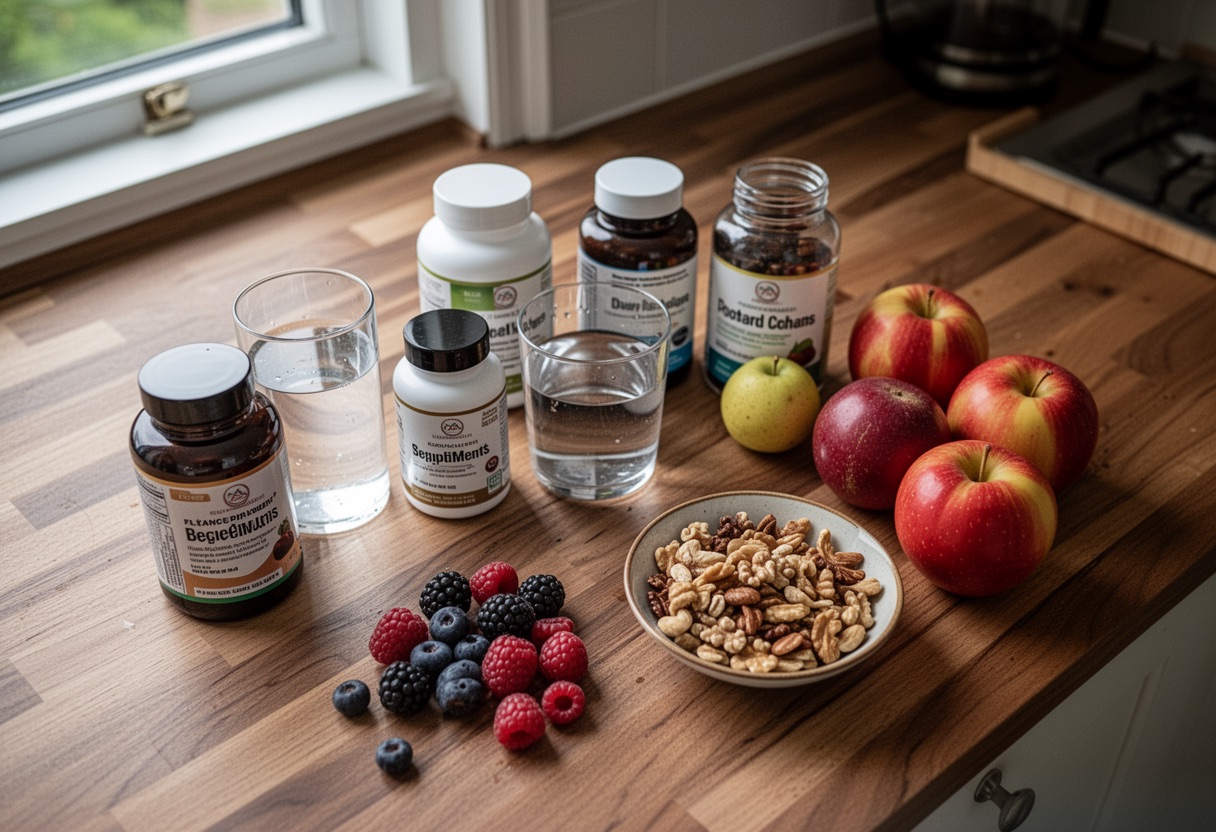
How to Build a Practical Anti-Inflammatory Supplement Stack
Rather than taking everything on this list, a rational approach is to prioritize based on evidence strength and individual need:
Tier 1 -- Strongest evidence, broadest benefit (start here):
- Omega-3 fish oil (2-4 g/day EPA+DHA)
- Vitamin D3 (2000-5000 IU/day, guided by blood levels)
- Magnesium glycinate (200-400 mg/day elemental)
Tier 2 -- Strong evidence for specific conditions (add based on your situation):
- Curcumin with piperine (especially for joint pain, metabolic inflammation)
- Zinc (especially if deficient, vegetarian, or over 60)
- Probiotics (especially if digestive symptoms are present)
Tier 3 -- Targeted use (consider for specific needs):
- Boswellia (joint pain, asthma)
- Quercetin (allergies, mast cell activation, cardiovascular risk)
- Resveratrol (metabolic syndrome, cardiovascular risk)
- SAMe (osteoarthritis, depression)
Start with Tier 1 for 8-12 weeks, assess your response (subjectively and ideally with hs-CRP testing), and then consider additions from Tier 2 based on your specific inflammatory drivers.
A Complementary Approach Worth Considering
If you are working to reduce chronic inflammation, you may benefit from exploring approaches that work at the bioenergetic level alongside targeted supplementation. Scalar energy therapy is a non-invasive modality that many people use alongside dietary and supplement strategies to support their body's natural healing processes. Sessions are delivered remotely and require no effort on your part -- they work passively while you go about your daily life, including while you sleep.
To learn more about the relationship between scalar energy and inflammation, read our dedicated article on scalar energy and inflammation. If you are curious about experiencing it firsthand, you can try a free 6-day remote trial with no obligation.

Conclusion: Best Anti-Inflammatory Supplements Start with the Right Foundation
The best supplements to reduce inflammation in the body are not magic bullets -- they are precision tools that work within the context of a broader anti-inflammatory lifestyle. Omega-3 fatty acids, curcumin with piperine, vitamin D, magnesium, and zinc form the evidence-based core. Quercetin, boswellia, resveratrol, probiotics, and the other supplements covered here provide additional support for specific situations and inflammatory patterns.
What matters most is this: get the foundations right first (diet, sleep, movement, stress), address any nutrient deficiencies, then layer in targeted best anti-inflammatory supplements based on your individual needs. Test, do not guess -- hs-CRP, vitamin D, and magnesium RBC levels can guide your decisions objectively. Work with a knowledgeable healthcare provider, especially if you take prescription medications. And give any supplement regimen at least 8-12 weeks of consistent use before evaluating whether it is working.
Chronic inflammation is modifiable. The tools exist, the evidence is strong, and the right combination of dietary change, lifestyle modification, and strategic supplementation can make a meaningful difference in how you feel and how your body functions over time.
Frequently Asked Questions
What is the strongest natural supplement for inflammation?
Based on the depth and consistency of clinical evidence, omega-3 fish oil (EPA and DHA) and curcumin with piperine have the strongest support as natural supplements to reduce inflammation in the body. Omega-3s at doses of 2-4 grams per day of combined EPA/DHA consistently lower CRP, IL-6, and TNF-alpha across dozens of meta-analyses. Curcumin at 500-1000 mg per day with piperine or in a bioavailable formulation has shown significant reductions in CRP and inflammatory markers across over 15 randomized controlled trials. That said, the best supplement for you depends on what is driving your inflammation and your individual health profile.
Can you take multiple anti-inflammatory supplements together?
Yes, many people safely combine anti-inflammatory supplements, and some combinations may be synergistic. However, stacking multiple supplements that affect blood clotting -- such as omega-3s, curcumin, and vitamin E -- requires caution, especially if you are on blood thinners like warfarin or aspirin. It is also important to avoid megadosing: more is not always better, and some supplements like zinc and vitamin D can cause toxicity at high doses. Start with one or two well-evidenced supplements, monitor your response for 6-8 weeks, then consider adding others. Always consult your healthcare provider before combining supplements, particularly if you take prescription medications.
How long do anti-inflammatory supplements take to work?
Most anti-inflammatory supplements require consistent daily use over several weeks before meaningful effects emerge. Omega-3 fatty acids take 6-12 weeks to reach therapeutic tissue concentrations. Curcumin may produce noticeable effects in 4-8 weeks. Vitamin D deficiency correction typically requires 8-12 weeks of supplementation. Magnesium can produce some effects (like improved sleep and muscle relaxation) within days, but its systemic anti-inflammatory effects build over 4-8 weeks. Probiotics generally require 4-8 weeks to shift the gut microbiome enough to affect inflammatory markers. The key with all of these is consistency -- sporadic use will not produce the results seen in clinical trials.
Are anti-inflammatory supplements safe to take with prescription medications?
Some are, some are not -- and the interactions matter significantly. Omega-3s, curcumin, boswellia, and bromelain can all increase bleeding risk and may potentiate blood thinners like warfarin, heparin, or clopidogrel. Curcumin can inhibit cytochrome P450 enzymes, potentially altering the metabolism of many drugs including statins, antidepressants, and immunosuppressants. Zinc and magnesium can reduce absorption of certain antibiotics and bisphosphonates if taken at the same time. Vitamin D can interact with thiazide diuretics and certain heart medications. Never start a supplement regimen without discussing it with your prescribing physician, especially if you take medications for cardiovascular disease, autoimmune conditions, diabetes, or if you are preparing for surgery.
The information in this article is intended for general wellness and educational purposes only. It is not medical advice and does not replace consultation with a qualified healthcare professional. Always consult your doctor before starting any new supplement, especially if you take prescription medications, are pregnant or nursing, or have a chronic medical condition. Individual responses to supplementation vary, and what works in clinical trials may not produce identical results for every person.
Related Reading
- Chronic Inflammation: Natural Remedies That Actually Reduce It -- the comprehensive guide to understanding and addressing chronic low-grade inflammation
- Anti-Inflammatory Foods: Complete Guide -- build the dietary foundation before layering supplements
- Scalar Energy and Inflammation -- how scalar energy therapy may complement your anti-inflammatory strategy
- Joint Pain and Arthritis: Natural Remedies -- targeted approaches for inflammatory joint conditions
- Try the Free 6-Day Remote Trial -- passive scalar energy sessions delivered while you sleep