
Endometriosis is a condition defined by its cruelty — tissue similar to the uterine lining growing in places it was never meant to be, responding to hormonal cycles with inflammation, bleeding, and scarring in the pelvis, on the ovaries, along the bowel, and sometimes in distant locations throughout the body. It affects an estimated 190 million women worldwide, takes an average of 7-10 years to diagnose, and produces pain that ranges from moderately disruptive to completely debilitating.
The conventional medical approach typically involves hormonal suppression (birth control pills, GnRH agonists, progestins) to reduce estrogen stimulation, pain medications for symptom management, and surgery (usually laparoscopic excision) for severe cases. These tools have their place. But many women find that medications produce intolerable side effects, that pain returns after surgery, or that they want to pursue pregnancy and cannot use hormonal suppression.
This is where endometriosis natural remedies become not merely complementary but essential. Natural approaches target the inflammatory and estrogenic drivers of endometriosis, support pain management through non-pharmaceutical mechanisms, and address the systemic factors that influence disease progression. They do not replace medical care for severe disease, but they provide a foundation that medical treatment alone cannot offer.
This article covers the evidence-based natural strategies for managing endometriosis — from dietary intervention and targeted supplementation to physical therapy, stress management, and complementary approaches that address this complex condition from multiple angles.

Understanding Endometriosis: What Is Actually Happening
Endometriosis occurs when tissue resembling the endometrium (uterine lining) is found outside the uterus. These implants most commonly appear on the ovaries, fallopian tubes, peritoneal lining, uterosacral ligaments, and bowel — but have been documented in the lungs, diaphragm, and even the brain in rare cases.
These implants respond to the menstrual cycle's hormonal signals. They grow under estrogen stimulation, attempt to shed during menstruation, and produce inflammatory chemicals — but unlike the uterine lining, there is no exit route. The result is local inflammation, scarring (adhesions), and pain that can be severe and chronic.
The Three Key Mechanisms
1. Estrogen dependence: Endometrial implants are stimulated to grow by estrogen. They also express aromatase, an enzyme that produces estrogen locally — creating a self-fueling growth cycle independent of ovarian estrogen production. This is why estrogen reduction strategies are central to management.
2. Chronic inflammation: Endometriosis is fundamentally an inflammatory disease. The peritoneal fluid of women with endometriosis contains elevated levels of inflammatory cytokines (IL-1, IL-6, IL-8, TNF-alpha), prostaglandins, and activated macrophages. This inflammatory environment promotes implant survival, angiogenesis (blood vessel growth to feed implants), and nerve sensitization that amplifies pain.
3. Immune dysfunction: Normal immune surveillance should identify and clear endometrial cells that reflux into the pelvis during menstruation (which happens in most women). In endometriosis, this clearance mechanism fails — suggesting immune dysregulation that allows implants to establish and persist.
Stages of Endometriosis
Endometriosis is classified into four stages (I through IV) based on the American Society for Reproductive Medicine system:
- Stage I (Minimal): Few superficial implants
- Stage II (Mild): More implants, slightly deeper
- Stage III (Moderate): Many deep implants, small endometriomas on ovaries, some adhesions
- Stage IV (Severe): Many deep implants, large endometriomas, extensive adhesions distorting pelvic anatomy
Importantly, stage does not always correlate with pain severity. Some women with Stage I have debilitating pain (due to nerve involvement or deep infiltration), while some with Stage IV have minimal symptoms. This is because pain depends on implant location, depth, nerve proximity, and the degree of central sensitization — not simply the number of implants.
Symptoms of Endometriosis
Experience Scalar Energy for Free
Start your 6-day remote scalar energy trial — no payment, no commitment.
Start My Free 6-Day Trial →The symptom profile extends far beyond "bad period cramps":
- Pelvic pain — often starting before and continuing through menstruation, but frequently becoming constant as disease progresses
- Dysmenorrhea — severe menstrual cramping that may not respond to standard painkillers
- Heavy menstrual bleeding or irregular periods
- Pain during or after intercourse (dyspareunia) — particularly with deep penetration
- Painful bowel movements or urination — especially during menstruation
- Infertility — endometriosis is found in 25-50% of women with infertility
- Chronic fatigue — often profound and not proportional to sleep
- Bloating and digestive symptoms ("endo belly")
- Lower back pain and leg pain — from nerve involvement or referred pain
- Nausea during pain flares
The Anti-Inflammatory Diet for Endometriosis
Since chronic inflammation drives endometriosis pain, tissue growth, and disease progression, an anti-inflammatory dietary approach is the cornerstone of natural management.
What the Research Shows
A large prospective study found that women consuming the highest amounts of omega-3 fatty acids had a 22% lower risk of developing endometriosis, while those consuming the most trans fats had a 48% higher risk. Other research shows that dietary patterns emphasizing fruits, vegetables, and omega-3s are associated with lower endometriosis pain scores.
Core Dietary Principles
Emphasize:
- Fatty fish (salmon, mackerel, sardines, anchovies) 3+ times weekly — EPA and DHA compete with arachidonic acid to produce anti-inflammatory rather than pro-inflammatory prostaglandins
- Cruciferous vegetables (broccoli, cauliflower, kale, Brussels sprouts, cabbage) — contain indole-3-carbinol (I3C) and diindolylmethane (DIM) that shift estrogen metabolism toward less stimulating 2-hydroxyestrone metabolites
- High-fiber foods (30-40g daily) — fiber binds estrogen in the gut for excretion, reducing recirculation; includes legumes, whole grains, vegetables, and flaxseeds
- Ground flaxseeds (2 tablespoons daily) — contain lignans that modulate estrogen receptor activity and fiber that binds estrogen
- Colorful fruits and vegetables — antioxidants reduce oxidative stress that promotes endometrial implant survival
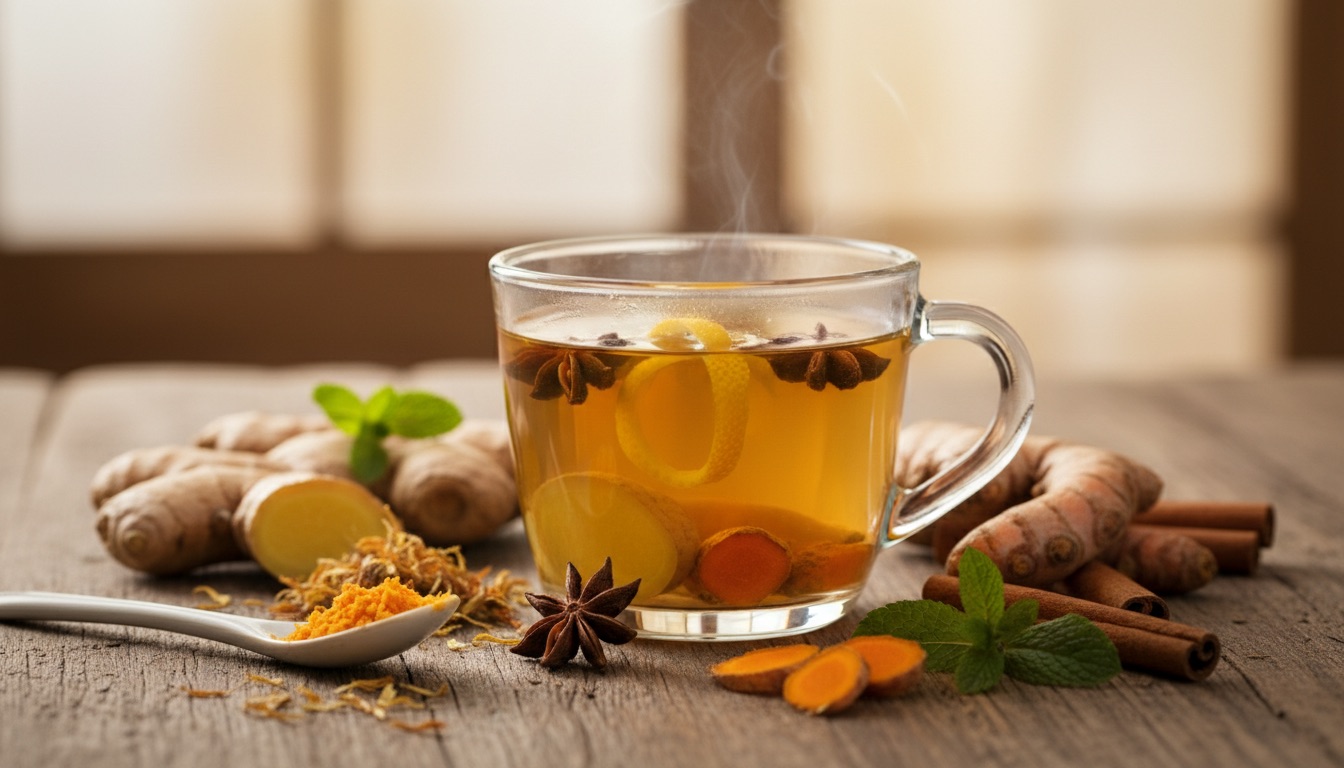
- Turmeric and ginger — direct anti-inflammatory and anti-proliferative effects
- Green tea — EGCG has been shown to inhibit endometrial cell proliferation and angiogenesis in laboratory studies
Minimize or eliminate:
- Red meat — arachidonic acid content promotes inflammatory prostaglandins; some research links higher red meat intake to increased endometriosis risk
- Trans fats and processed foods — directly inflammatory
- Alcohol — impairs hepatic estrogen metabolism, increases circulating estrogen
- Excess caffeine — may modulate estrogen levels (moderate intake likely acceptable)
- Gluten (for some women) — a significant study found that 75% of endometriosis patients experienced meaningful pain reduction on a gluten-free diet after 12 months
- Dairy (individual response) — some women report improvement removing dairy, potentially related to A1 casein inflammatory effects or growth hormones
For more on anti-inflammatory dietary strategies, see our comprehensive guide to chronic inflammation natural remedies.
Targeted Supplements for Endometriosis
Omega-3 Fatty Acids (EPA and DHA)
Beyond dietary fish intake, supplemental omega-3s at therapeutic doses (2-3 grams combined EPA/DHA daily) have been shown to reduce endometriosis-associated pain. The mechanism is direct: omega-3s are converted to resolvins and protectins that actively resolve inflammation, while reducing the production of prostaglandin E2 — the specific prostaglandin most responsible for endometriosis pain and implant survival.
NAC (N-Acetyl Cysteine)
A remarkable Italian observational study gave endometriosis patients 600mg NAC three times daily for three consecutive days per week. After three months, the NAC group showed significant reduction in endometrioma (ovarian cyst) size, with some cysts disappearing entirely. Pain scores improved, and several women in the treatment group cancelled planned surgeries due to symptom improvement. NAC works as a powerful antioxidant, reduces inflammatory NF-kB signaling, and has anti-proliferative effects on endometrial cells.
Curcumin
Curcumin directly inhibits NF-kB — the master transcription factor driving inflammatory gene expression in endometriosis — and has been shown in laboratory studies to reduce endometrial cell proliferation, inhibit angiogenesis, and promote apoptosis of endometrial implants. Clinical evidence is emerging, with pilot studies showing pain reduction. Use bioavailable forms (with piperine or phospholipid delivery) at 500-1000mg daily.
Pycnogenol (French Maritime Pine Bark Extract)
A randomized controlled trial found that pycnogenol at 30mg twice daily significantly reduced endometriosis pain scores compared to baseline, with effects increasing over the 48-week study period. Pycnogenol has anti-inflammatory, antioxidant, and anti-proliferative properties. It also reduces COX-2 expression, lowering prostaglandin production without the gastrointestinal side effects of NSAIDs.
Vitamin D
Vitamin D has immunomodulatory properties relevant to endometriosis — it promotes regulatory immune function, reduces inflammatory cytokine production, and has anti-proliferative effects on endometrial cells. Observational studies show lower vitamin D levels in women with endometriosis, and supplementation trials suggest benefit for pain reduction. Optimize levels to 40-60 ng/mL.
Magnesium
Magnesium directly relaxes smooth muscle, making it valuable for the cramping and spasmodic pain of endometriosis. It also supports over 300 enzymatic reactions including those involved in inflammation resolution and hormone metabolism. Magnesium glycinate or citrate at 300-400mg daily (or split into morning and evening doses) is well-tolerated and often improves sleep quality as well — important given the fatigue that accompanies endometriosis.
Pelvic Floor Physical Therapy
Chronic pelvic pain — regardless of its initial cause — leads to secondary changes in the pelvic floor musculature. Muscles guarding against pain become chronically tight (hypertonic), developing trigger points, restricted fascia, and altered movement patterns that create their own pain independent of the endometriosis itself.
Pelvic floor physical therapy addresses this neuromuscular component through:
- Internal and external myofascial release — releasing trigger points in the pelvic floor muscles (levator ani, obturator internus, piriformis)
- Visceral mobilization — gentle techniques to improve mobility of organs restricted by adhesions
- Diaphragmatic breathing retraining — the diaphragm and pelvic floor function as a unit; restoring proper breathing patterns reduces pelvic floor tension
- Nervous system downregulation — techniques that reduce central sensitization and the amplified pain processing common in chronic pelvic pain
- Home exercise programs — stretches, relaxation techniques, and self-release methods for ongoing management
Research shows that pelvic floor physical therapy significantly reduces pain scores in women with endometriosis-related pelvic pain, with benefits persisting after treatment completion. Many women report that pelvic PT addresses a component of their pain that neither medication nor surgery touched.
For more on natural pain management approaches, see our article on how to relieve pain without medicine.
Heat Therapy
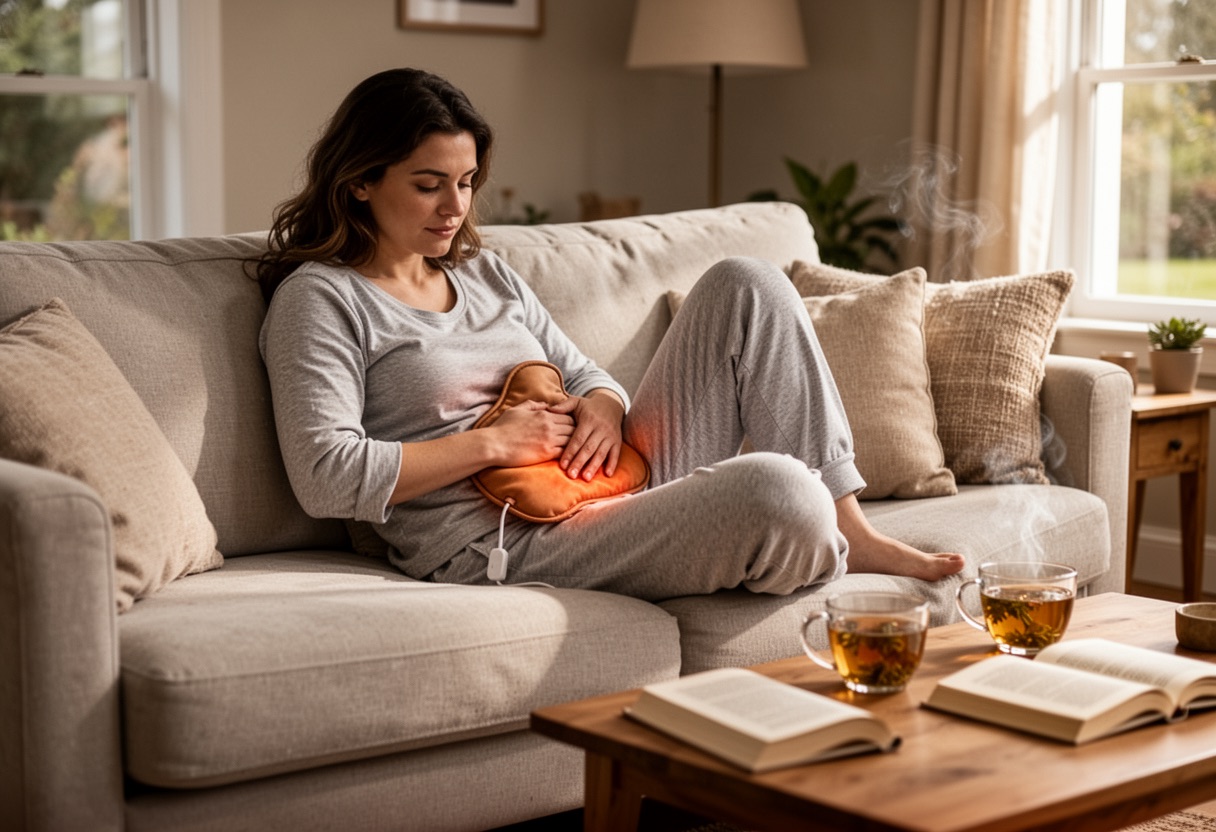
Heat therapy is simple, accessible, and effective for endometriosis pain. Research shows that topical heat application (at approximately 104 degrees F) is as effective as ibuprofen for dysmenorrhea pain relief, and the two can be combined for additive benefit.
Heat works by relaxing smooth muscle spasm, increasing local blood flow (which helps clear inflammatory mediators), activating heat-sensitive nerve fibers that inhibit pain signal transmission (gate control theory), and providing comfort that reduces stress-related pain amplification.
Practical applications:
- Heating pads or hot water bottles applied to lower abdomen or lower back
- Warm baths (with or without Epsom salts for additional magnesium absorption)
- Wearable heat patches for use during work or daily activities
- Castor oil packs — warm castor oil applied with a flannel cloth and heat source over the lower abdomen (traditional naturopathic approach with anecdotal support for reducing adhesions and inflammation)
TENS (Transcutaneous Electrical Nerve Stimulation)
TENS units deliver mild electrical impulses through skin electrodes that interrupt pain signal transmission to the brain (gate control theory) and stimulate endorphin release. They are portable, non-invasive, and have no significant side effects.
Research specifically in endometriosis and dysmenorrhea shows TENS can significantly reduce pain scores. High-frequency TENS (80-100 Hz) is generally recommended for menstrual and pelvic pain, with electrode placement on the lower abdomen or lower back over the area of maximum pain.
TENS is particularly valuable as an on-demand pain management tool during flares, allowing women to reduce reliance on NSAIDs and opioid medications.
Acupuncture for Endometriosis
Acupuncture has growing evidence specifically for endometriosis pain management. A systematic review of randomized controlled trials found that acupuncture was superior to sham acupuncture and comparable to hormonal therapy for reducing endometriosis-related pain, with fewer side effects.
Proposed mechanisms include:
- Modulation of inflammatory cytokines in peritoneal fluid
- Stimulation of endogenous opioid pathways (endorphin and enkephalin release)
- Regulation of autonomic nervous system balance (reducing sympathetic dominance)
- Modulation of prostaglandin production
- Improved pelvic blood flow and reduction of local congestion
Most studies showing benefit used 1-2 sessions weekly for 8-12 weeks, with some using protocols specifically timed to the menstrual cycle (more frequent treatment around menstruation when pain peaks).
Stress Management and the Nervous System
Chronic pain conditions including endometriosis involve central sensitization — a state where the nervous system amplifies pain signals, lowering pain thresholds and creating pain responses to stimuli that would not normally be painful. Stress directly worsens central sensitization through cortisol's effects on nerve sensitivity and inflammatory pathways.
Additionally, cortisol and chronic stress:
- Increase inflammatory cytokine production
- Promote immune dysregulation (worsening the immune component of endometriosis)
- Increase muscle tension in the pelvic floor
- Disrupt sleep, which further amplifies pain processing
- Worsen fatigue and cognitive symptoms
Effective approaches:
- Mindfulness-Based Stress Reduction (MBSR) — specifically studied in chronic pelvic pain with positive results
- Cognitive Behavioral Therapy for chronic pain — retrains pain catastrophizing and fear-avoidance patterns
- Vagal nerve stimulation techniques — cold water exposure, gargling, humming, and deep slow breathing all activate the vagus nerve and shift the nervous system toward parasympathetic (anti-inflammatory) dominance
- Body-based practices — yoga, tai chi, and somatic experiencing help release stored tension patterns
- Adequate pacing — learning to manage activity levels to avoid boom-bust cycles that worsen symptoms
For more on managing the pain experience naturally, see our article on scalar energy and chronic pain.
Exercise for Endometriosis
Exercise has a complex relationship with endometriosis. Regular moderate exercise reduces inflammation, improves pain tolerance through endorphin production, and helps manage the fatigue and mood symptoms that accompany the condition. However, high-impact exercise during flares can worsen pelvic congestion and pain.
Beneficial approaches:
- Walking — gentle, accessible, reduces inflammatory markers without jarring the pelvis
- Swimming — supports the body without gravitational stress on pelvic structures
- Yoga — specific poses can improve pelvic blood flow, reduce muscle tension, and lower stress hormones; avoid deep inversions during menstruation if symptomatic
- Pilates — core strengthening that supports pelvic stability without high impact
- Gentle cycling — low impact cardiovascular exercise (adjust seat for comfort)
Principles:
- Modify intensity based on cycle phase and daily symptoms
- Prioritize consistency of gentle movement over intensity
- Avoid exercises that increase intra-abdominal pressure during pain flares
- Focus on movement that feels good rather than pushing through pain
- Post-exercise stretching and pelvic floor relaxation
Estrogen-Reducing Strategies
Since endometriosis is estrogen-dependent, reducing estrogen stimulation is a primary therapeutic target. Natural approaches to modulate estrogen include:
Cruciferous Vegetables and DIM/I3C
Broccoli, cauliflower, kale, Brussels sprouts, and cabbage contain indole-3-carbinol (I3C) and its metabolite diindolylmethane (DIM). These compounds shift estrogen metabolism from the more stimulating 16-alpha-hydroxyestrone pathway toward the less proliferative 2-hydroxyestrone pathway. Consuming 2-3 servings of cruciferous vegetables daily, or supplementing with DIM (100-200mg daily), supports this beneficial shift.
Fiber
Dietary fiber (targeting 30-40g daily) binds conjugated estrogen in the intestine, preventing reabsorption through enterohepatic circulation. Without adequate fiber, estrogen excreted by the liver into bile gets reabsorbed — recycled back into circulation to stimulate endometrial tissue. Fiber-rich diets have been associated with lower circulating estrogen levels.
Liver Support
The liver conjugates estrogen for excretion. Supporting hepatic detoxification pathways through adequate B vitamins (particularly B6, B12, folate for methylation), cruciferous vegetable compounds, adequate protein (for amino acid conjugation), and avoiding liver burden (alcohol, excess medication) supports efficient estrogen clearance.
Xenoestrogen Avoidance
Environmental chemicals that mimic estrogen (xenoestrogens) can bind estrogen receptors and promote endometrial tissue growth:
- BPA and phthalates — found in plastic containers, canned food linings, receipts
- Pesticides — some are estrogenic; choose organic when possible, especially for high-pesticide produce
- Personal care products — parabens, synthetic fragrances, and some UV filters have estrogenic activity
- Household chemicals — some cleaning products contain endocrine disruptors
Reducing xenoestrogen exposure involves choosing glass or stainless steel food containers, filtering water, choosing clean personal care products, and selecting organic produce when feasible.
Body Composition
Adipose tissue contains aromatase and converts androgens to estrogen — particularly estrone, which stimulates endometrial tissue. Maintaining healthy body composition through diet and exercise reduces this peripheral estrogen production. However, excessive caloric restriction or over-exercise can worsen symptoms through stress hormone elevation — balance is key.
When Surgery Is Needed
Natural approaches cannot address all presentations of endometriosis, and surgery becomes appropriate in certain situations:
- Large endometriomas (ovarian cysts greater than 4cm) that risk rupture or ovarian torsion
- Deep infiltrating endometriosis causing bowel or ureteral obstruction
- Severe adhesions distorting pelvic anatomy and causing organ dysfunction
- Infertility where endometriosis is identified as the primary factor and natural conception has not occurred
- Pain that is debilitating despite comprehensive natural and medical management
- Diagnostic uncertainty where laparoscopy is needed to confirm endometriosis versus other conditions
Excision surgery (cutting out implants completely) is superior to ablation (burning the surface) for long-term outcomes and lower recurrence. When surgery is needed, continuing natural anti-inflammatory and estrogen-modulating approaches afterward helps reduce recurrence risk — surgery removes existing disease but does not address the underlying drivers.
Scalar Energy as a Complementary Approach
For women managing the chronic pain and inflammation of endometriosis, scalar energy therapy offers a gentle complementary approach that supports the body's self-healing capacity without adding pharmaceutical burden. The theory behind scalar energy involves supporting cellular communication and energetic coherence — potentially relevant for a condition where immune regulation, inflammatory control, and hormonal balance are all disrupted.
Some women report improvements in pain levels, energy, and overall wellbeing when incorporating scalar energy alongside dietary, supplemental, and physical therapy approaches. As a non-invasive modality with no known side effects or drug interactions, it integrates safely with any existing treatment plan.
For more on how scalar energy may support hormonal conditions, see our article on scalar energy and hormonal balance. To explore scalar energy for your endometriosis management, you can start a free trial here.

Building Your Endometriosis Management Plan
Endometriosis management requires patience and a multi-pronged approach. No single intervention is likely to provide complete relief, but the cumulative effect of addressing inflammation, estrogen, pain mechanisms, and nervous system regulation can produce meaningful improvement.
Immediate pain relief strategies:
- Heat therapy (heating pad, warm baths)
- TENS unit during flares
- Magnesium supplementation
- Anti-spasmodic teas (chamomile, peppermint, ginger)
Medium-term interventions (4-12 weeks to see effects):
- Anti-inflammatory diet implementation
- Omega-3 supplementation (2-3g EPA/DHA daily)
- NAC protocol (600mg three times daily, three days per week)
- Curcumin supplementation
- Pelvic floor physical therapy
- Regular gentle exercise
Long-term strategies:
- Estrogen modulation (cruciferous vegetables, fiber, xenoestrogen avoidance)
- Stress management practices
- Acupuncture (8-12 week courses)
- Vitamin D optimization
- Gut health support
- Sleep optimization
- Complementary energy-based approaches
Track symptoms across your menstrual cycle to identify patterns and assess what interventions are helping. Many women find that pain severity, energy levels, and digestive symptoms all correlate with cycle phase in ways that can guide treatment timing.
Frequently Asked Questions
What foods should you avoid with endometriosis?
Foods that promote inflammation and estrogen dominance tend to worsen endometriosis. The most important to limit or avoid include: red meat (contains arachidonic acid that converts to inflammatory prostaglandins, and may contain exogenous hormones); trans fats and processed foods (increase inflammatory markers and systemic estrogen); alcohol (impairs liver estrogen clearance and increases circulating estrogen by 10-20% even at moderate intake); dairy (some research links A1 casein dairy to inflammatory prostaglandin production, though this is individual); gluten (some endometriosis patients report significant improvement on gluten-free diets, with one study showing 75% pain reduction in the gluten-free group); and caffeine in excess (may increase estrogen levels, though moderate intake appears acceptable for most). Individual responses vary, so systematic elimination with reintroduction is more useful than blanket restrictions.
Can endometriosis go away naturally?
Endometriosis lesions do not typically disappear on their own — it is a chronic condition. However, symptoms can be significantly managed and reduced through natural approaches, and some women experience substantial improvement to the point of minimal symptoms. Endometriosis is estrogen-dependent, so it often improves after menopause when estrogen levels decline. During reproductive years, natural approaches that reduce inflammation, modulate estrogen, and address pain mechanisms can produce meaningful symptom relief. Some imaging studies have shown lesion stability or modest reduction with anti-inflammatory interventions, though this is not the norm. The realistic goal of natural management is symptom control, improved quality of life, and potentially slowing progression — rather than expecting complete resolution of existing lesions.
What supplements help with endometriosis pain?
Several supplements have clinical or mechanistic evidence for endometriosis pain: Omega-3 fatty acids (2-3g EPA/DHA daily) reduce inflammatory prostaglandin production and have been shown to decrease endometriosis pain severity in trials. NAC (N-acetyl cysteine) at 600mg three times daily showed remarkable results in an Italian study — reducing endometrioma size and even leading to lesion disappearance in some cases. Curcumin inhibits NF-kB and has been shown to reduce endometrial cell proliferation in laboratory studies and reduce pain in clinical observations. Pycnogenol (French maritime pine bark extract) at 30-60mg daily reduced endometriosis pain scores significantly in a randomized trial. Magnesium (300-400mg as glycinate or citrate) relaxes smooth muscle and reduces cramping. Vitamin D (optimizing to 40-60 ng/mL) has immunomodulatory effects that may reduce endometrial implant growth.
How does estrogen affect endometriosis?
Endometriosis is fundamentally an estrogen-dependent disease. Endometrial implants express aromatase (an enzyme that produces estrogen locally), meaning they can generate their own estrogen supply independent of ovarian production — creating a self-perpetuating growth cycle. Estrogen stimulates endometrial tissue proliferation, promotes angiogenesis (blood vessel growth to implants), and suppresses apoptosis (programmed cell death) of endometrial cells. It also drives production of inflammatory prostaglandins that cause pain. This is why natural estrogen-modulating strategies — increasing fiber to bind and excrete estrogen, supporting liver detoxification pathways, consuming cruciferous vegetables for DIM and I3C that shift estrogen metabolism toward less stimulating metabolites, and reducing xenoestrogen exposure — are central to natural endometriosis management.
The information in this article is intended for general wellness and educational purposes only. It is not medical advice and does not replace consultation with a qualified healthcare professional.