
Hormonal balance is not a fixed state you either have or do not. It is a dynamic, constantly adjusting equilibrium maintained by an intricate network of glands, feedback loops, and chemical messengers — all of which are sensitive to what you eat, how you sleep, the stress you carry, the toxins you encounter, and the state of your gut microbiome. When this system works well, you barely notice it. When it does not, the effects ripple through every system in your body.
For women, hormonal imbalance manifests in ways that are both deeply personal and remarkably common: the acne that appears with frustrating predictability along the jawline, the mood swings that feel disproportionate to their triggers, the periods that arrive erratically or with punishing symptoms, the weight that accumulates around the midsection despite disciplined eating, the fatigue that sleep does not resolve, the hair that thins where you want it and grows where you do not.
The conventional medical response to these symptoms often involves hormonal birth control — a solution that manages symptoms by overriding the body's hormonal signaling rather than addressing why it became dysregulated. For many women, this approach creates its own set of problems and merely postpones the reckoning with underlying imbalance.
Natural hormonal treatment takes a different approach. It asks why the hormones are imbalanced and addresses those root causes — nutritional deficiencies, chronic stress, gut dysfunction, toxic exposures, blood sugar instability, and lifestyle factors that collectively push the endocrine system out of equilibrium. The results are slower but more sustainable, and they come with improved overall health rather than a new set of side effects.
This article provides a comprehensive guide to understanding, identifying, and naturally treating hormonal imbalance in women.

Signs and Symptoms of Hormonal Imbalance
Hormones influence virtually every physiological process. When key hormones are out of balance, the symptoms are widespread and interconnected.
Estrogen Dominance Symptoms
Estrogen dominance — a state where estrogen is elevated relative to progesterone — is the most common hormonal imbalance pattern in premenopausal women. It can result from absolute excess (too much estrogen production) or relative excess (normal estrogen but insufficient progesterone).
Signs include heavy or prolonged periods, severe PMS (breast tenderness, bloating, mood swings, irritability), weight gain in the hips, thighs, and lower abdomen, fibrocystic breast changes, uterine fibroids, endometriosis, headaches (particularly premenstrual), anxiety and difficulty sleeping before your period, and water retention.
Androgen Excess Symptoms
Elevated androgens (testosterone, DHEA-S) in women produce a distinct symptom pattern: acne along the jawline, chin, and lower face; hirsutism (excess facial and body hair growth); scalp hair thinning in a pattern similar to male-pattern baldness; irregular or absent periods; and difficulty losing weight, particularly with insulin resistance. This pattern is characteristic of PCOS but can occur independently.
Low Progesterone Symptoms
Progesterone is the calming, stabilizing counterpart to estrogen. When it is insufficient — common with anovulatory cycles, chronic stress, or perimenopause — symptoms include anxiety and nervousness, insomnia (particularly difficulty staying asleep), short luteal phases (period arriving too soon after ovulation), spotting before your period, difficulty maintaining early pregnancy, and worsening PMS.
Thyroid Imbalance
Hypothyroidism (low thyroid function) produces fatigue, weight gain, cold intolerance, constipation, dry skin, hair loss, brain fog, depression, and menstrual irregularity. It is extremely common in women and often missed on standard screening that only checks TSH.
Cortisol Dysregulation
Chronic stress produces a pattern of elevated cortisol that disrupts virtually every other hormone. Signs include belly fat accumulation, difficulty sleeping, afternoon energy crashes, sugar and salt cravings, frequent illness, anxiety, irritability, and disrupted menstrual cycles.
Root Causes of Hormonal Imbalance
Experience Scalar Energy for Free
Start your 6-day remote scalar energy trial — no payment, no commitment.
Start My Free 6-Day Trial →Understanding why hormones become imbalanced is essential for effective natural treatment. Symptoms are the body's signal — the root causes are where treatment must be directed.
Chronic Stress
The adrenal glands produce cortisol using the same precursor molecule (pregnenolone) that the body uses to produce progesterone. Under chronic stress, the body prioritizes cortisol production over progesterone — a phenomenon sometimes called the "pregnenolone steal." The result is progesterone deficiency relative to estrogen, producing estrogen dominance symptoms. Elevated cortisol also increases insulin resistance (promoting weight gain and androgen production), disrupts thyroid function, impairs sleep (which further disrupts hormones), and suppresses the hypothalamic-pituitary-ovarian axis.
Blood Sugar Instability
Insulin is a master hormone that influences all other hormonal systems. When blood sugar spikes and crashes throughout the day — driven by refined carbohydrates, skipped meals, or excessive sugar intake — the resulting insulin surges stimulate the ovaries to produce excess testosterone (a key driver of PCOS symptoms), promote fat storage (particularly visceral abdominal fat), increase inflammation, and disrupt the delicate signaling between the brain and ovaries that governs the menstrual cycle. Blood sugar balance is arguably the single most important dietary factor for hormonal health.
Poor Gut Health
The gut microbiome plays a critical role in hormone metabolism through the estrobolome — a collection of gut bacteria that produce beta-glucuronidase, an enzyme that determines how much estrogen is recirculated versus excreted. Gut dysbiosis can lead to excess estrogen recirculation (estrogen dominance), chronic inflammation that disrupts hormonal signaling, impaired conversion of thyroid hormones (T4 to active T3), poor nutrient absorption needed for hormone production, and increased intestinal permeability that drives autoimmune thyroid conditions.
Environmental Toxins
Xenoestrogens — synthetic chemicals that mimic estrogen in the body — are ubiquitous in modern life. BPA in plastics and can linings, phthalates in fragrances and personal care products, parabens in cosmetics, pesticides on conventionally grown produce, and PFAS in non-stick cookware all disrupt hormonal signaling. These chemicals bind to estrogen receptors, disrupt thyroid function, and can interfere with fertility and hormonal balance even at very low exposure levels.
Hormonal Birth Control Aftermath
While hormonal contraception serves an important purpose, it works by suppressing the body's natural hormonal cycling. Coming off birth control after years of use can reveal or create imbalances: the hypothalamic-pituitary-ovarian axis may take months to reestablish normal signaling, nutrient depletions (zinc, magnesium, B vitamins, selenium) accumulated during use can impair hormone production, and underlying conditions like PCOS that were masked by the pill may surface.
Nutritional Deficiencies
The body requires specific raw materials to produce, metabolize, and clear hormones. Key deficiencies that drive hormonal imbalance include zinc (needed for progesterone and testosterone production), magnesium (required for over 300 enzymatic reactions including hormone metabolism), vitamin B6 (essential for progesterone production and estrogen clearance), vitamin D (functions as a hormone itself and supports ovarian function), iron (low ferritin impairs thyroid function and ovulation), and selenium (critical for thyroid hormone conversion).
Natural Treatment Strategies
Seed Cycling
Seed cycling is a nutritional practice that provides specific seeds during each phase of the menstrual cycle to support the dominant hormones of that phase:
Follicular phase (Day 1 to ovulation): 1-2 tablespoons daily of ground flax seeds and ground pumpkin seeds. Flax seeds contain lignans that help modulate estrogen levels (promoting healthy estrogen metabolism), while pumpkin seeds provide zinc to support the progesterone surge that will come after ovulation.
Luteal phase (Ovulation to menstruation): 1-2 tablespoons daily of ground sesame seeds and ground sunflower seeds. Sesame seeds contain lignans that support progesterone activity, while sunflower seeds provide selenium and vitamin E that support progesterone production and reduce inflammation.
Grind seeds fresh (or store pre-ground in the freezer) to access their oils and lignans. Add to smoothies, yogurt, oatmeal, or salads. Consistent daily practice for 3-4 months is needed to assess effectiveness.
Adaptogenic Herbs
Adaptogens are herbs that help the body adapt to stress and normalize physiological processes, including hormonal balance.
Vitex (Chasteberry): The most studied herb for female hormonal balance. Vitex acts on the pituitary gland to increase luteinizing hormone (LH) and support progesterone production while mildly inhibiting FSH and excess prolactin. Clinical evidence supports its use for PMS, irregular cycles, luteal phase defects, and hyperprolactinemia. Typical dose: 20-40mg of standardized extract daily, taken in the morning. Allow 3-6 months for full effect. Not appropriate during pregnancy or while taking hormonal contraception.
Maca root: A Peruvian adaptogen that supports hormonal balance without containing hormones itself. Maca appears to work at the hypothalamic-pituitary level to optimize hormonal output. Clinical trials show benefits for menopausal symptoms, libido, and mood. Typical dose: 1500-3000mg daily of gelatinized maca powder.
Ashwagandha: Primarily supports hormonal balance through stress and cortisol reduction. By lowering cortisol, ashwagandha indirectly supports progesterone production, thyroid function, and reproductive hormone balance. Clinical trials confirm its cortisol-lowering and thyroid-supporting effects. Typical dose: 300-600mg of standardized extract (KSM-66 or Sensoril) daily.
DIM (Diindolylmethane)
DIM is a compound formed when you digest cruciferous vegetables (broccoli, cauliflower, kale, Brussels sprouts). It supports healthy estrogen metabolism by promoting the conversion of estrogen to its less potent, more protective metabolites (2-hydroxyestrone) rather than the more proliferative metabolites (16-hydroxyestrone and 4-hydroxyestrone).
Supplemental DIM (100-200mg daily) is particularly useful for estrogen dominance symptoms — heavy periods, PMS, fibrocystic breasts, and hormonal acne. It can also be obtained through generous daily intake of cruciferous vegetables, which provides DIM's precursor (indole-3-carbinol) along with fiber, sulforaphane, and other beneficial compounds.
Cruciferous Vegetables
Beyond their DIM content, cruciferous vegetables (broccoli, cauliflower, Brussels sprouts, kale, cabbage, bok choy, arugula) support hormonal balance through multiple mechanisms. Sulforaphane supports liver detoxification pathways critical for estrogen clearance. Fiber binds to estrogen in the gut, preventing reabsorption. And the array of phytonutrients supports overall anti-inflammatory and antioxidant status.
Aim for at least one serving of cruciferous vegetables daily. Lightly cooking (steaming for 3-4 minutes) maximizes sulforaphane availability while preserving heat-sensitive nutrients.
Healthy Fats
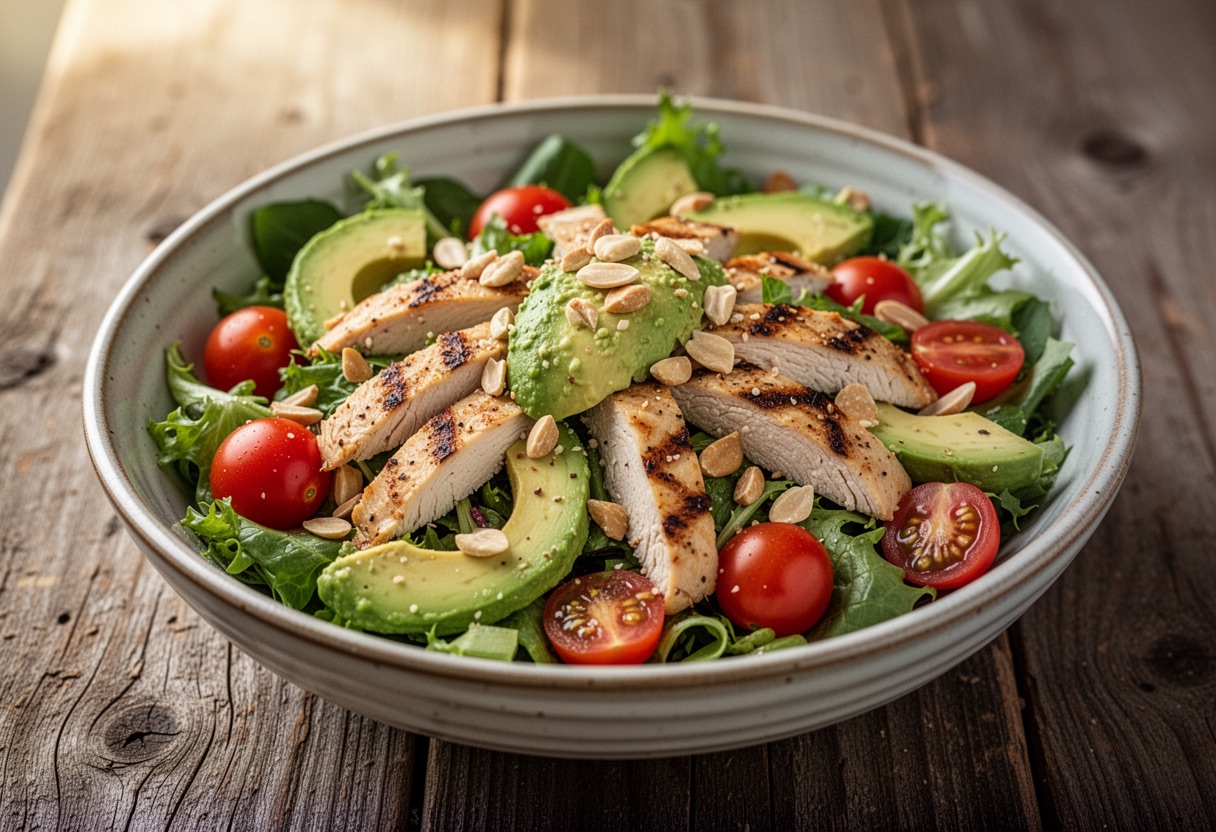
Hormones are built from cholesterol and fatty acids. A low-fat diet is one of the most common dietary causes of hormonal disruption. Essential fats for hormonal health include avocados and avocado oil, extra virgin olive oil, wild-caught fatty fish, nuts (especially walnuts and almonds), seeds (flax, chia, hemp), coconut oil in moderation, and pasture-raised eggs (whole, including the yolk).
Blood Sugar Balance
Stabilizing blood sugar is foundational to every other hormonal intervention. Practical strategies include eating protein and healthy fat at every meal and snack, prioritizing fiber-rich complex carbohydrates over refined carbs, never eating carbohydrates in isolation (always pair with protein or fat), eating regular meals (avoid prolonged fasting if you have hormonal imbalance), starting the day with a protein-rich breakfast rather than just coffee or carbs, and incorporating apple cider vinegar (1 tablespoon in water before meals) or cinnamon, both of which improve insulin sensitivity.

Lifestyle Foundations for Hormonal Health
Sleep
Sleep is when the body performs its most critical hormonal recalibration. Growth hormone, melatonin, cortisol, leptin, ghrelin, and reproductive hormones all follow circadian patterns that depend on adequate, well-timed sleep. Sleep deprivation increases cortisol, insulin resistance, and appetite hormones while decreasing progesterone and thyroid function. Prioritize 7-9 hours in a dark, cool room with consistent timing.
Exercise
The right type and amount of exercise supports hormonal balance. Moderate exercise reduces insulin resistance, lowers cortisol, supports thyroid function, and promotes healthy estrogen metabolism. However, excessive high-intensity exercise can raise cortisol, suppress reproductive hormones, and worsen hormonal imbalance — particularly for women who are already stressed or underfueling.
The optimal approach combines strength training (2-3 sessions weekly — builds muscle that improves insulin sensitivity and supports metabolic hormones), moderate cardio (walking, swimming, cycling — supports cardiovascular health and stress reduction), yoga or stretching (supports the parasympathetic nervous system and cortisol regulation), and rest days (recovery is when hormonal adaptation occurs).
Reduce Xenoestrogen Exposure
Practical steps to minimize endocrine disruptor exposure: switch to glass or stainless steel food storage, never microwave food in plastic, choose organic for the Dirty Dozen produce items, use fragrance-free personal care products and cosmetics (check the EWG Skin Deep database), filter your drinking water, avoid non-stick cookware (use cast iron, stainless steel, or ceramic), replace conventional cleaning products with simple alternatives (vinegar, baking soda, castile soap), and choose organic or grass-fed animal products when possible.
Liver Support
The liver is responsible for metabolizing and clearing excess hormones — particularly estrogen. Supporting liver function directly supports hormonal balance. Key strategies include eating cruciferous vegetables daily, consuming bitter foods (arugula, dandelion greens, artichoke), limiting alcohol (which competes for the same liver detoxification pathways as estrogen), staying hydrated, and considering milk thistle supplementation (200-400mg standardized silymarin daily).
Gut Health
Since the gut microbiome directly influences hormone metabolism, restoring gut health is a legitimate hormonal intervention. Eat 30 or more different plant foods per week to support microbial diversity, consume fermented foods daily (sauerkraut, kimchi, yogurt, kefir), consider a high-quality probiotic with Lactobacillus and Bifidobacterium strains, reduce gut irritants (excess alcohol, NSAIDs, processed foods), and address any digestive symptoms (bloating, constipation, or diarrhea may indicate dysbiosis that is affecting your hormones).
Scalar Energy for Hormonal Harmony
Scalar energy healing provides a complementary energetic approach to supporting hormonal balance. This modality works with the body's biofield — the electromagnetic and subtle energy fields that influence physiological regulation. Practitioners and users report that scalar energy sessions help reduce the stress response that disrupts hormonal cascades, support energetic balance across the endocrine system, and promote the body's innate capacity for self-regulation.
The connection between energy medicine and hormonal health is grounded in the understanding that hormonal balance is ultimately a regulatory process — the body continuously adjusts hormone production, conversion, and clearance based on signals from the nervous system, immune system, and cellular environment. Approaches that support overall regulatory function, reduce interference from chronic stress, and promote systemic equilibrium create conditions favorable for hormonal rebalancing.
Scalar energy is best understood as a gentle complement to the nutritional, herbal, and lifestyle strategies outlined in this article — not a replacement for them. Together, these approaches address hormonal imbalance from multiple angles: biochemical, nutritional, behavioral, and energetic.
Explore how scalar energy can support your hormonal health journey by starting a free trial here.

Building Your Hormonal Balance Protocol
Foundation (start here):
- Blood sugar balance through dietary changes
- Sleep optimization (7-9 hours, consistent timing)
- Stress reduction practices daily
- Reduce xenoestrogen exposure
Nutritional support (add in weeks 1-2):
- Cruciferous vegetables daily
- Seed cycling protocol
- Healthy fats at every meal
- Key supplements: magnesium (300-400mg), vitamin B6 (50-100mg), vitamin D (2000-4000 IU), zinc (15-30mg)
Targeted interventions (add after 2-4 weeks):
- Adaptogenic herbs (vitex, maca, or ashwagandha based on your specific pattern)
- DIM supplement if estrogen dominance is suspected
- Gut health protocol (probiotics, fermented foods, fiber diversity)
- Liver support (milk thistle, bitter foods)
Complementary approaches:
- Scalar energy sessions
- Acupuncture (particularly effective for hormonal regulation)
- Cycle-syncing exercise (matching workout intensity to menstrual cycle phases)
Track your menstrual cycle, symptoms, and energy levels throughout. Meaningful hormonal shifts typically become apparent after 2-4 complete cycles of consistent practice.
Frequently Asked Questions
What are the first signs of hormonal imbalance in women?
The earliest signs of hormonal imbalance often appear before a doctor would diagnose a specific condition. The most common initial indicators include: menstrual irregularity (cycles shorter than 21 days, longer than 35 days, or varying by more than 7 days month to month), which signals disrupted communication between the brain and ovaries; persistent adult acne, particularly along the jawline, chin, and lower cheeks (indicating androgen excess); unexplained weight gain or difficulty losing weight, especially around the abdomen (suggesting insulin resistance or cortisol elevation); increased PMS symptoms such as mood swings, breast tenderness, and bloating (often indicating estrogen dominance relative to progesterone); fatigue that does not improve with adequate sleep (pointing to thyroid dysfunction, cortisol dysregulation, or insulin instability); and changes in hair growth patterns — either thinning scalp hair or increased facial and body hair. Many women dismiss these signs as stress or aging, but they represent the body communicating that its hormonal orchestra is out of tune. Tracking these symptoms alongside your menstrual cycle for 2-3 months provides valuable data for both self-understanding and medical evaluation.
How long does it take to balance hormones naturally?
The timeline for natural hormone rebalancing depends on the severity of the imbalance, how long it has existed, and which interventions you implement. Some improvements appear relatively quickly: blood sugar stabilization from dietary changes can improve energy and reduce cravings within 1-2 weeks; stress management practices may lower cortisol measurably within 2-4 weeks; and sleep improvements can shift melatonin and growth hormone patterns within days. However, meaningful changes to reproductive hormones — estrogen, progesterone, testosterone — typically require 2-4 menstrual cycles (2-4 months) to become apparent. This is because the hypothalamic-pituitary-ovarian axis is slow to recalibrate, and ovarian follicles develop over a 90-day window. Herbs like vitex (chasteberry) generally need 3-6 months of consistent use to demonstrate their full effect on cycle regularity and PMS. Gut health restoration, which profoundly affects hormone metabolism, can take 3-6 months. For women coming off hormonal birth control, full hormonal recalibration may take 3-12 months depending on how long they were on it and their underlying health. Patience and consistency are essential — the body did not become imbalanced overnight, and it will not rebalance overnight either.
Does seed cycling actually work for hormones?
Seed cycling lacks large-scale randomized clinical trials, which is the honest scientific assessment. However, it has substantial mechanistic plausibility and considerable anecdotal support from both practitioners and women who use it. The protocol involves consuming 1-2 tablespoons of ground flax seeds and pumpkin seeds daily during the follicular phase (day 1 to ovulation), then switching to 1-2 tablespoons of ground sesame seeds and sunflower seeds during the luteal phase (ovulation to menstruation). The rationale is sound: flax seeds contain lignans that modulate estrogen receptor activity and help metabolize excess estrogen; pumpkin seeds provide zinc, which supports progesterone production; sesame seeds contain lignans that support the luteal phase; and sunflower seeds provide selenium and vitamin E that support progesterone. These are nutritionally beneficial regardless of the cycling protocol. Many naturopathic practitioners report that patients experience improved cycle regularity, reduced PMS, and better hormonal balance after 3-4 months of consistent seed cycling. The most reasonable interpretation is that seed cycling provides targeted nutritional support that helps optimize hormonal pathways — it is unlikely to override major hormonal disorders but may be a helpful component of a comprehensive natural approach.
Can gut health really affect hormones?
The gut-hormone connection is one of the most important and underappreciated relationships in endocrinology. The gut microbiome contains a collection of bacteria called the estrobolome — microbes that produce beta-glucuronidase, an enzyme that determines how much estrogen is reactivated and recirculated versus excreted from the body. When the estrobolome is healthy and diverse, estrogen metabolism is balanced. When it is disrupted (through antibiotics, poor diet, stress, or dysbiosis), it can lead to either excess estrogen recirculation (contributing to estrogen dominance, PMS, fibroids, and endometriosis) or insufficient estrogen (contributing to low bone density, vaginal dryness, and mood issues). Beyond the estrobolome, gut health affects hormones through additional mechanisms: gut bacteria produce short-chain fatty acids that influence insulin sensitivity; intestinal permeability (leaky gut) drives systemic inflammation that disrupts hormonal signaling; serotonin (95% produced in the gut) influences mood, sleep, and appetite hormones; and the gut microbiome influences thyroid hormone conversion. Supporting gut health through diverse fiber intake, fermented foods, probiotics, and reducing gut irritants is therefore a legitimate and important hormonal intervention.
The information in this article is intended for general wellness and educational purposes only. It is not medical advice and does not replace consultation with a qualified healthcare professional.