Your body contains approximately 60,000 miles of blood vessels. If you laid them end to end, they would circle the Earth more than twice. Every cell in your body depends on this extraordinary network to deliver oxygen, nutrients, hormones, and immune cells — and to carry away carbon dioxide, metabolic waste, and toxins. When this system works well, you have energy, warmth, clear thinking, and the capacity to heal. When it falters, the consequences show up everywhere.
Poor circulation is not a disease in itself — it is a symptom of underlying dysfunction that can stem from inactivity, arterial stiffness, inflammation, metabolic imbalance, or structural changes in the blood vessels. Modern medicine tends to intervene only when circulation problems become clinically significant — peripheral artery disease, deep vein thrombosis, or diabetic vascular complications. But long before those diagnoses, millions of people live with subclinical poor circulation that manifests as cold extremities, numbness, fatigue, slow healing, brain fog, and low energy.
The circulatory system is remarkably responsive to lifestyle interventions. Blood vessels are not static pipes — they are dynamic, living tissues that adapt continuously to the demands placed on them. Regular exercise stimulates the growth of new capillaries. Dietary changes improve the flexibility and function of arterial walls. Even simple practices like dry brushing and hydrotherapy can measurably improve peripheral blood flow.
This article covers 15 evidence-based natural methods to improve circulation, organized from the most impactful to the most supplementary. Many produce noticeable effects within days to weeks.
Signs of Poor Circulation
Before diving into solutions, it helps to recognize whether poor circulation is contributing to your symptoms. The signs are often subtle and easily attributed to other causes.
Cold hands and feet are the most common and recognizable sign. When circulation is poor, the body prioritizes blood flow to the vital organs, reducing flow to the extremities. If your hands and feet are persistently cold — even in warm environments — circulation is a likely factor.
Numbness and tingling in the fingers, toes, or feet result from reduced blood flow to peripheral nerves. The nerves are not receiving adequate oxygen and signal their distress with sensations of pins and needles, burning, or numbness.
Fatigue and low energy that is not fully explained by sleep quality, stress, or nutrition may indicate that cells throughout the body are receiving suboptimal oxygen delivery. The brain is particularly sensitive — brain fog, difficulty concentrating, and mental sluggishness can all result from reduced cerebral blood flow.
Slow wound healing occurs because tissue repair requires robust blood flow to deliver immune cells, oxygen, growth factors, and nutrients to the damaged area. Cuts, bruises, and minor injuries that take unusually long to heal suggest compromised local circulation.
Skin changes — including dry, flaky skin on the lower legs, hair loss on the legs and feet, and a bluish or pale tint to the skin — indicate chronic reduction in blood flow to those areas.
Muscle cramps during walking (intermittent claudication) that resolve with rest are a more significant sign of arterial insufficiency, typically related to peripheral artery disease. This warrants medical evaluation.
Method 1: Regular Physical Exercise
Experience Scalar Energy for Free
Start your 6-day remote scalar energy trial — no payment, no commitment.
Start My Free 6-Day Trial →Exercise is the single most powerful intervention for improving circulation. Every form of physical activity increases cardiac output, dilates blood vessels, and drives blood into the peripheral tissues. Over time, regular exercise produces structural adaptations in the vascular system that permanently improve circulatory capacity.
Aerobic exercise — walking, cycling, swimming, jogging — increases heart rate and cardiac output, pushing more blood through the entire vascular system. The shear stress of blood flowing against arterial walls stimulates the endothelium (the inner lining of blood vessels) to produce nitric oxide — a molecule that dilates blood vessels and improves their flexibility. Regular aerobic exercise also stimulates angiogenesis: the growth of new capillary networks, particularly in muscles and tissues that are regularly loaded.
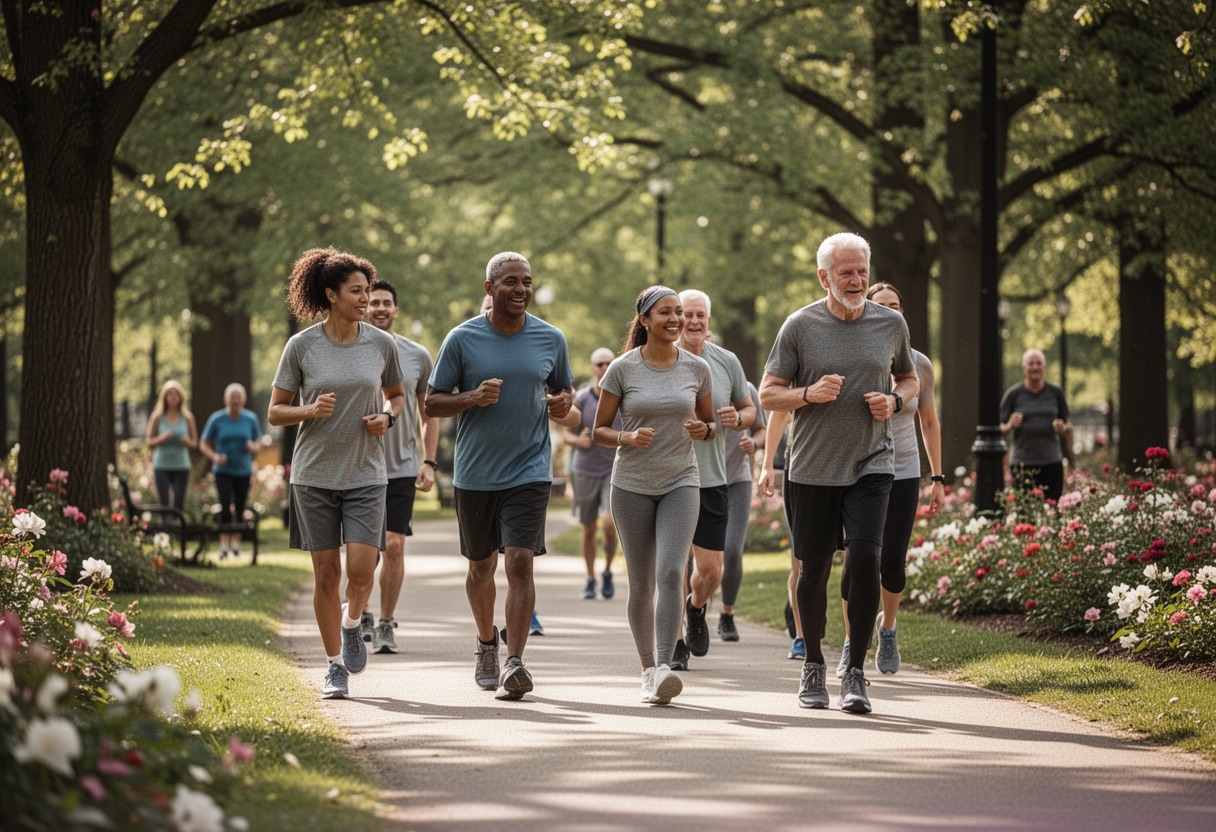
The minimum effective dose for circulatory benefits is about 30 minutes of moderate-intensity aerobic activity, 5 days per week. Walking counts. The improvements are measurable within 2-4 weeks and continue accumulating over months.
Resistance training improves circulation through different mechanisms. Muscle contraction during resistance exercise acts as a pump, driving blood through the venous system against gravity. Increased muscle mass also increases metabolic demand, stimulating the growth of new blood vessels to supply the larger muscles. Even light resistance training — bodyweight exercises, resistance bands — provides circulatory benefits.
Calf raises deserve special mention because the calf muscles function as the "second heart" — their rhythmic contraction during walking pumps venous blood from the lower legs back toward the heart against gravity. Weak or underused calves contribute directly to blood pooling in the lower extremities. Standing calf raises (15-20 repetitions, several times daily) are among the simplest and most effective exercises for lower extremity circulation.
Method 2: Leg Elevation
Gravity is the enemy of lower extremity circulation. Blood must travel upward from the feet and legs back to the heart, against the constant downward pull of gravity. When you sit or stand for extended periods, blood pools in the lower legs, increasing venous pressure and causing swelling, achiness, and varicose veins.
Elevating the legs above heart level for 15-20 minutes, 2-3 times daily, reverses this gravitational pooling. It is particularly effective at the end of the day, when venous congestion is greatest. Lie on your back and prop your legs on pillows, a chair, or against a wall. The elevation should be enough to bring your feet above the level of your heart.
This simple practice is one of the most recommended interventions for chronic venous insufficiency, varicose veins, and lower extremity edema. Its effects are immediate — you can often feel the difference in leg heaviness and swelling within the first session.
Method 3: Compression Garments
Graduated compression stockings apply the greatest pressure at the ankle and gradually decrease pressure up the leg. This graduated compression supports the venous valves and the calf muscle pump, improving the return of blood from the lower extremities to the heart.
Compression stockings are particularly beneficial for people who stand or sit for prolonged periods, those with varicose veins or chronic venous insufficiency, and anyone who experiences leg swelling or heaviness by the end of the day. They are also used during long flights or car rides to prevent blood pooling and reduce the risk of deep vein thrombosis.
The recommended compression level for general circulation support is 15-20 mmHg. Higher compressions (20-30 mmHg or above) are available for more significant venous insufficiency but should be selected with healthcare guidance.
Method 4: Massage
Massage improves circulation through direct mechanical effects: the stroking and kneading actions physically push blood through the tissues and toward the heart, reduce muscle tension that can compress blood vessels, and stimulate the release of vasodilatory substances from the tissues.
Self-massage of the feet and lower legs is a practical daily practice. Starting at the feet, use firm strokes moving upward toward the knees, spending extra time on the calves and around the ankles. Five to ten minutes per leg is sufficient. Using a foam roller on the calves and thighs provides similar benefits with less manual effort.
Professional massage provides more comprehensive circulatory benefits. Swedish massage and sports massage techniques are specifically designed to enhance venous and lymphatic return. Regular sessions — even monthly — can provide sustained improvement in circulation alongside the immediate effects.

Method 5: Dry Brushing
Dry brushing is an Ayurvedic practice that involves brushing the skin with a firm, natural-bristle brush before showering. Using long, sweeping strokes directed toward the heart, you brush each area of the body from the extremities inward.
The benefits for circulation are twofold. First, the mechanical stimulation of the skin increases local blood flow to the brushed areas. Second, dry brushing stimulates the lymphatic system — the parallel circulatory system that drains waste and excess fluid from the tissues. The lymphatic system, unlike the blood circulatory system, has no pump — it relies entirely on muscle movement, gravity, and external stimulation. Dry brushing provides that external stimulation.
Start at the feet and brush upward along the legs, then from the hands upward along the arms, always moving toward the heart. Brush the torso upward toward the lymph nodes in the armpits and groin. Use firm but not painful pressure. The entire process takes 3-5 minutes before your morning shower.
Method 6: Hydrotherapy (Contrast Showers)
Alternating hot and cold water is one of the most powerful and immediate circulatory stimulants available. Hot water dilates blood vessels, increasing blood flow to the surface. Cold water constricts blood vessels, driving blood inward toward the organs. The alternating cycle creates a pumping action that dramatically increases overall circulation.
The basic protocol: At the end of your shower, alternate 30-60 seconds of hot water with 15-30 seconds of cold water. Repeat 3-5 cycles, ending on cold. Start with mild temperature contrasts if you are not accustomed to cold exposure, and gradually increase the intensity over weeks.
Cold water immersion (cold plunges, cold showers) also provides circulatory benefits through a different mechanism. Cold exposure activates the sympathetic nervous system, causing widespread vasoconstriction followed by a rebound vasodilation when the cold stimulus is removed. Regular cold exposure (even 1-2 minutes of cold water at the end of a shower) improves the vasomotor reactivity of blood vessels — essentially training them to dilate and constrict more efficiently.
Research from the Academic Medical Center in Amsterdam found that people who took cold showers for 30 days reported increased energy levels and reduced sick days, effects likely mediated in part by improved circulatory function.
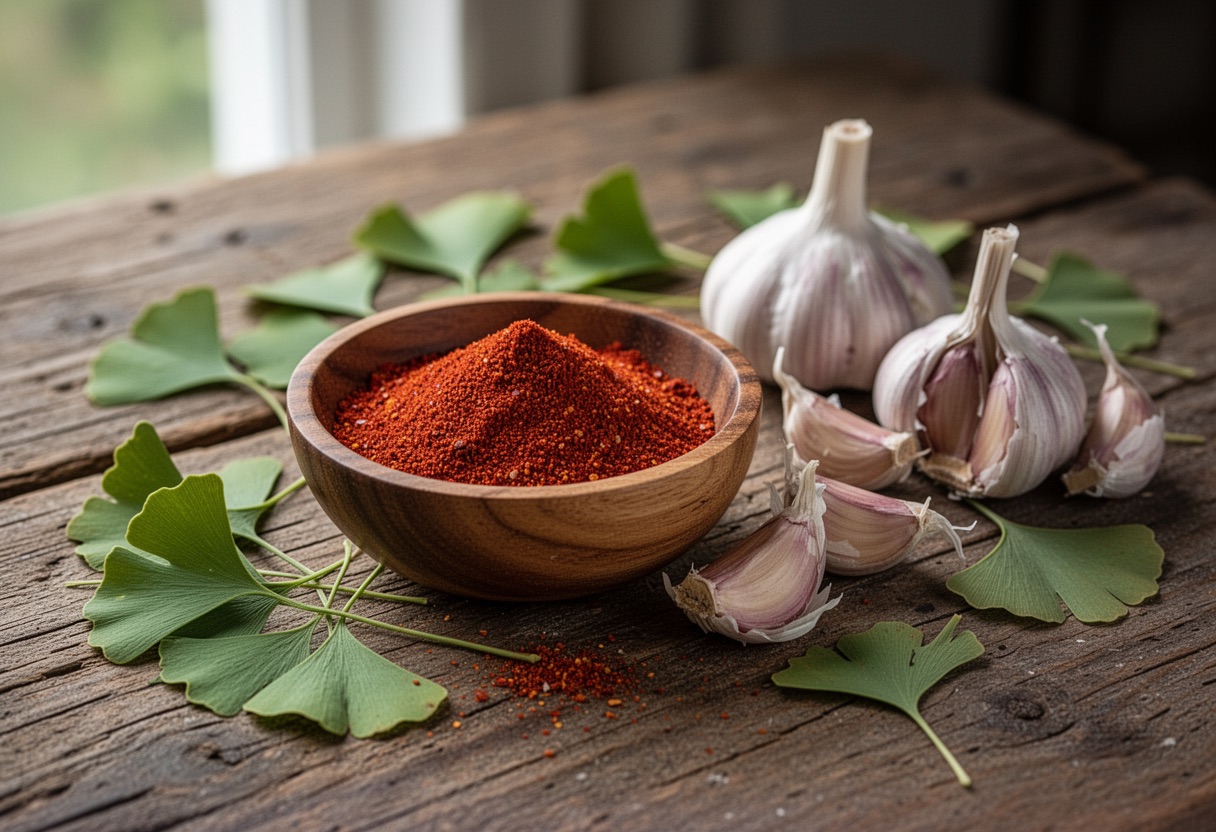
Method 7: Cayenne Pepper
Capsaicin — the compound that gives cayenne pepper its heat — is a potent vasodilator. It stimulates the release of nitric oxide and substance P, both of which relax smooth muscle in blood vessel walls and increase blood flow. Capsaicin also inhibits platelet aggregation, reducing the tendency of blood to clot excessively.
Adding cayenne pepper to food is the simplest approach. Start with small amounts if you are not accustomed to spicy food — a quarter teaspoon in warm water or added to meals — and increase gradually. Cayenne pepper supplements (standardized to capsaicin content) are available for those who prefer a consistent dose without the heat.
The circulatory effects of cayenne are rapid — most people can feel increased warmth in the extremities within 20-30 minutes of ingestion. This makes it particularly useful for people with cold hands and feet.
Method 8: Ginkgo Biloba
Ginkgo biloba is one of the most studied herbs for circulatory function. Its active compounds — ginkgolides and flavonoid glycosides — improve blood flow through multiple mechanisms: dilating blood vessels, reducing blood viscosity, inhibiting platelet-activating factor, and protecting endothelial function.
The evidence for ginkgo is strongest for cerebral circulation — improving blood flow to the brain, which may benefit cognitive function, memory, and mental clarity. It also has evidence for improving peripheral circulation, with studies showing benefits for intermittent claudication (leg pain during walking caused by arterial insufficiency).
The standard dose is 120-240mg daily of a standardized extract containing 24 percent flavonoid glycosides and 6 percent terpene lactones. Effects build over 4-8 weeks of consistent use.
Important caution: Ginkgo has blood-thinning properties and should not be combined with anticoagulant or antiplatelet medications without medical supervision.
Method 9: Garlic
Garlic improves circulation through several mechanisms. Allicin — the compound released when garlic is crushed or chopped — stimulates nitric oxide production, relaxes blood vessel walls, and reduces platelet aggregation. Garlic also lowers blood pressure and reduces LDL cholesterol, both of which improve long-term vascular health.
For maximum benefit, consume 1-2 raw garlic cloves daily, crushed or minced and allowed to sit for 10 minutes before eating (this allows the enzyme reaction that produces allicin to complete). If raw garlic is not tolerable, aged garlic extract supplements (600-1200mg daily) provide similar benefits with reduced odor and gastrointestinal effects.
Method 10: Ginger
Ginger has been used in traditional medicine systems worldwide as a circulatory stimulant for centuries. Modern research has identified several mechanisms: ginger inhibits thromboxane synthase (reducing platelet clumping), stimulates blood flow, and has anti-inflammatory properties that protect blood vessel walls.
Fresh ginger in cooking, ginger tea (steep sliced ginger in hot water for 10-15 minutes), or ginger supplements (250-500mg of standardized extract, 2-3 times daily) all provide circulatory benefits. Like cayenne, ginger produces a noticeable warming effect relatively quickly.

Method 11: Beet Juice
Beets are extraordinarily rich in dietary nitrates, which the body converts through a two-step process (first to nitrite by oral bacteria, then to nitric oxide in the blood) into the most potent natural vasodilator known. Nitric oxide relaxes the smooth muscle of blood vessel walls, dilating arteries and increasing blood flow.
The evidence for beet juice is robust: studies have shown that a single dose of beet juice can lower blood pressure by 4-10 mmHg and improve exercise performance by 1-3 percent through enhanced oxygen delivery to muscles. These effects occur within 2-3 hours of consumption and last 6-12 hours.
For sustained circulatory benefits, consume 250ml (approximately 8 ounces) of beet juice daily, or eat 1-2 whole beets. Concentrated beet juice shots are available for convenience. Other nitrate-rich foods — arugula, spinach, celery, and radishes — provide similar benefits.
Method 12: Omega-3 Fatty Acids
Omega-3 fatty acids (EPA and DHA) improve circulation through several complementary mechanisms. They reduce blood viscosity (making blood flow more easily through small vessels), decrease triglycerides, reduce inflammation in arterial walls, improve endothelial function, and reduce platelet aggregation.
The circulatory benefits require consistent intake of 2-3g combined EPA and DHA daily — either from fatty fish (salmon, sardines, mackerel, herring) consumed 3-4 times per week or from fish oil supplements. Effects build over 4-8 weeks.
Plant-based omega-3 (ALA from flaxseed, chia seeds, and walnuts) requires conversion to EPA and DHA, which is inefficient in most people. Algae-based DHA supplements are available for those who avoid fish.
Method 13: Quit Smoking
If you smoke, stopping is the single most important thing you can do for your circulation. Every cigarette causes immediate vasoconstriction, damages the endothelial lining of blood vessels, increases blood viscosity, promotes platelet aggregation, and accelerates atherosclerosis. Smoking is the leading modifiable risk factor for peripheral artery disease.
The good news: the circulatory system begins to recover almost immediately after quitting. Within 20 minutes, heart rate and blood pressure begin to normalize. Within 2-12 weeks, circulation measurably improves. Within 1 year, the risk of coronary heart disease drops by 50 percent. The blood vessels' capacity to dilate and respond to demand gradually returns as the endothelium heals.
Method 14: Stay Hydrated
Dehydration thickens the blood, increasing viscosity and making it harder for the heart to pump blood through the smallest capillaries. Even mild dehydration (1-2 percent body weight loss from fluid) measurably impairs circulation and reduces cognitive and physical performance.
The standard recommendation of 8 glasses (64 ounces) daily is a reasonable starting point, but individual needs vary based on body size, activity level, climate, and diet. A practical indicator: if your urine is consistently pale yellow, you are adequately hydrated. Dark yellow urine suggests you need more fluid.
Water is the best choice. Herbal teas (particularly ginger and hibiscus tea, both of which have additional circulatory benefits) contribute to hydration. Limit caffeine and alcohol, both of which have diuretic effects that can contribute to dehydration.
Method 15: Yoga Inversions
Yoga poses that place the heart above the head use gravity to improve venous return and blood flow to the brain and upper body — areas that normally work against gravity all day.
Legs up the wall (Viparita Karani): Lie on your back with your buttocks close to a wall and extend your legs straight up the wall. Rest here for 5-15 minutes. This is the most accessible inversion and provides immediate relief for tired, swollen legs while improving blood flow to the brain and upper body.
Downward facing dog (Adho Mukha Svanasana): The classic yoga pose places the heart above the head while engaging the entire body. Hold for 30-60 seconds, repeated several times.
Shoulder stand (Sarvangasana): A more advanced inversion that powerfully redirects blood flow. Only attempt this under qualified instruction if you are new to yoga.
Even mild inversions performed daily provide cumulative benefits for circulatory health. They are particularly valuable for people who spend most of their day upright — standing or sitting — and experience afternoon fatigue or lower extremity swelling.
Scalar Energy for Circulatory Support
The circulatory system does not operate in isolation — it is regulated by the autonomic nervous system, influenced by hormonal balance, and affected by the body's overall energetic state. Scalar energy therapy works with the body's biofield to support the systemic conditions that enable healthy circulation: balanced nervous system function, reduced chronic inflammation, and optimized cellular energy production.
For people with poor circulation, the problem is often not isolated to the blood vessels themselves. Chronic stress activates the sympathetic nervous system, causing sustained vasoconstriction that reduces peripheral blood flow. Systemic inflammation damages the endothelial lining that produces nitric oxide. Metabolic imbalances impair the cellular energy production needed for proper vascular function. Scalar energy addresses these interconnected factors at a foundational level.
Scalar energy sessions are delivered remotely and require no physical effort — they work passively while you go about your day or sleep. Many individuals incorporate scalar energy as part of a comprehensive circulatory health strategy alongside the dietary, exercise, and lifestyle changes described in this article.
To experience scalar energy therapy with no commitment, try our free 6-day remote trial.
Frequently Asked Questions
What are the first signs of poor circulation?
The earliest and most common signs of poor circulation include persistently cold hands and feet even in warm environments, numbness or tingling in the fingers and toes, a bluish or pale tint to the skin in the extremities, and slow wound healing — particularly on the lower legs and feet. Fatigue and low energy despite adequate sleep can also signal poor circulation, as cells throughout the body are not receiving optimal oxygen and nutrient delivery. Muscle cramps during walking that resolve with rest (intermittent claudication) suggest more significant arterial insufficiency and warrant medical evaluation.
How long does it take to improve circulation naturally?
Some methods produce immediate effects — exercise increases circulation within minutes, and hydrotherapy (alternating hot and cold water) dilates blood vessels instantly. Regular exercise shows measurable improvements in vascular function within 2-4 weeks. Dietary changes, including increased nitric oxide-boosting foods like beets and leafy greens, can improve endothelial function within 2-6 weeks. Supplements like ginkgo biloba and omega-3 fatty acids typically require 4-8 weeks for noticeable effects. The most significant and lasting improvements come from sustained lifestyle changes maintained over months.
Can poor circulation be reversed?
In most cases, poor circulation can be significantly improved and often substantially reversed through natural methods. The blood vessels have remarkable plasticity — regular exercise stimulates the growth of new capillaries (angiogenesis), improves endothelial function, and reduces arterial stiffness. Quitting smoking allows endothelial function to begin recovering within weeks. Weight loss, dietary improvements, and regular physical activity can reverse many of the metabolic factors that impair circulation. However, if poor circulation is caused by advanced peripheral artery disease, diabetes-related vascular damage, or structural problems, medical treatment may be needed alongside natural approaches.
What foods increase blood circulation the most?
Beet juice is one of the most potent circulation-boosting foods because of its high nitrate content — the body converts dietary nitrates into nitric oxide, which dilates blood vessels and improves blood flow. Studies show measurable improvement in blood pressure and exercise performance within hours of consumption. Other highly effective foods include garlic (which improves endothelial function and reduces platelet aggregation), ginger (which acts as a natural blood thinner and vasodilator), cayenne pepper (capsaicin dilates blood vessels), dark leafy greens (high in nitrates), dark chocolate (cocoa flavanols improve vascular function), and fatty fish (omega-3s reduce inflammation and improve blood viscosity).
The information in this article is intended for general wellness and educational purposes only. It is not medical advice and does not replace consultation with a qualified healthcare professional.
Related Reading
- Raynaud's Syndrome: Natural Remedies — targeted strategies for the circulatory condition that causes cold, numb fingers and toes
- High Blood Pressure: Natural Remedies — lowering blood pressure naturally to protect your vascular system
- Anti-Inflammatory Foods: Complete Guide — the dietary foundation for healthy blood vessels
- Scalar Energy for Inflammation — how scalar therapy supports the vascular health that enables good circulation
- Try the Free 6-Day Remote Trial — passive, no-effort, no medication, delivered remotely