
There is a particular kind of desperation that comes with a condition nobody can see. You look fine. Your blood tests come back normal. Your urine cultures are repeatedly negative. And yet you are making twenty trips to the bathroom every day, waking three or four times every night, and living with a burning, pressing, aching pain in your pelvis that never fully goes away.
If this is your experience, you may have interstitial cystitis — and you may have spent months or years being told you have recurrent UTIs, being given antibiotics that never quite work, or being subtly dismissed because nothing shows up on standard tests.
Interstitial cystitis (IC), also called painful bladder syndrome, is a chronic condition affecting an estimated 3 to 8 million women and 1 to 4 million men in the United States alone. It is not an infection. It is not in your head. And while there is no simple cure, there are natural approaches that can genuinely reduce your symptoms, extend your periods of remission, and give you back a measure of control over your daily life.
This article covers what IC actually is, why it happens, and the most evidence-supported natural strategies for managing it — from dietary changes and supplements to pelvic floor therapy and nervous system regulation.
What Interstitial Cystitis Actually Is
Interstitial cystitis is a chronic inflammatory condition of the bladder wall. Unlike a urinary tract infection, there are no bacteria causing the problem. Instead, the protective lining of the bladder — called the glycosaminoglycan (GAG) layer — becomes damaged or dysfunctional, allowing irritating substances in urine to penetrate the bladder wall and trigger inflammation, pain, and the constant sensation of needing to urinate.
The condition exists on a spectrum. Some people have Hunner's lesions — visible ulcerations on the bladder wall that can be seen during cystoscopy. Others have non-ulcerative IC, where the bladder appears relatively normal on inspection but the symptoms are very real. This second presentation is far more common and, unfortunately, often harder to diagnose because there is nothing visible to point to.
Core Symptoms
The hallmark symptoms of IC include:
- Urgency — a persistent, compelling need to urinate that does not correspond to actual bladder fullness
- Frequency — urinating far more often than normal, sometimes every 15 to 30 minutes in severe cases
- Pelvic pain — pressure, burning, or aching in the bladder area, lower abdomen, or pelvic floor
- Nocturia — waking multiple times at night to urinate
- Pain during or after intercourse — particularly in women
- Pain that worsens as the bladder fills and temporarily improves after urination
Symptoms typically fluctuate. There are better days and worse days, flares and remissions. Learning what triggers your flares is one of the most important steps in managing the condition.
What Causes IC
The exact cause remains debated, but current research points to several interconnected factors:
GAG layer dysfunction. The protective mucous coating inside the bladder becomes permeable, allowing potassium and other urinary irritants to reach the underlying tissue.
Mast cell activation. Mast cells in the bladder wall release histamine and other inflammatory mediators, creating chronic inflammation and pain signaling.
Neurogenic inflammation. The nerves in the bladder become sensitized, sending pain signals at lower thresholds and creating a feedback loop of inflammation and hypersensitivity.
Pelvic floor dysfunction. Chronically tight pelvic floor muscles contribute to pain, urgency, and the sensation of incomplete emptying.
Central sensitization. Over time, the central nervous system itself becomes sensitized, amplifying pain signals and creating a heightened response to stimuli that would not normally be painful.
Understanding these mechanisms matters because effective natural management targets them specifically — not just the symptoms they produce.
The IC Diet: Your Most Powerful Tool
Experience Scalar Energy for Free
Start your 6-day remote scalar energy trial — no payment, no commitment.
Start My Free 6-Day Trial →If you do nothing else for your IC, address your diet. The IC diet is consistently reported as the single most impactful natural intervention by IC patients, and research supports its effectiveness. One study found that 90 percent of IC patients identified at least one food or beverage that worsened their symptoms.
Common Trigger Foods and Beverages
The following are the most frequently reported IC triggers:
- Coffee and caffeine — both regular and decaf coffee are problematic due to acidity
- Alcohol — all types, but particularly wine and beer
- Citrus fruits — oranges, lemons, limes, grapefruit, and their juices
- Tomatoes — and all tomato-based products including sauces, ketchup, and salsa
- Spicy foods — anything containing hot peppers, chili, or strong spices
- Artificial sweeteners — aspartame and saccharin are particularly common triggers
- Carbonated beverages — the carbonation itself irritates the bladder
- Cranberry juice — despite its reputation for urinary health, it is highly acidic and worsens IC
- Chocolate — contains caffeine and other stimulants
- Vinegar — and pickled or fermented foods
- Aged cheeses — high in tyramine, a known bladder irritant
The Elimination Approach
Rather than permanently removing every potential trigger, the recommended approach is systematic elimination followed by careful reintroduction:
Phase 1 (2-4 weeks): Remove all common triggers simultaneously. This gives your bladder time to calm down and establishes a baseline of reduced symptoms.
Phase 2 (ongoing): Reintroduce one food or beverage at a time, waiting 48 to 72 hours before trying another. If symptoms return, you have identified a personal trigger.
Phase 3 (maintenance): Maintain a diet that avoids your confirmed triggers while enjoying everything else freely.
Bladder-Friendly Alternatives
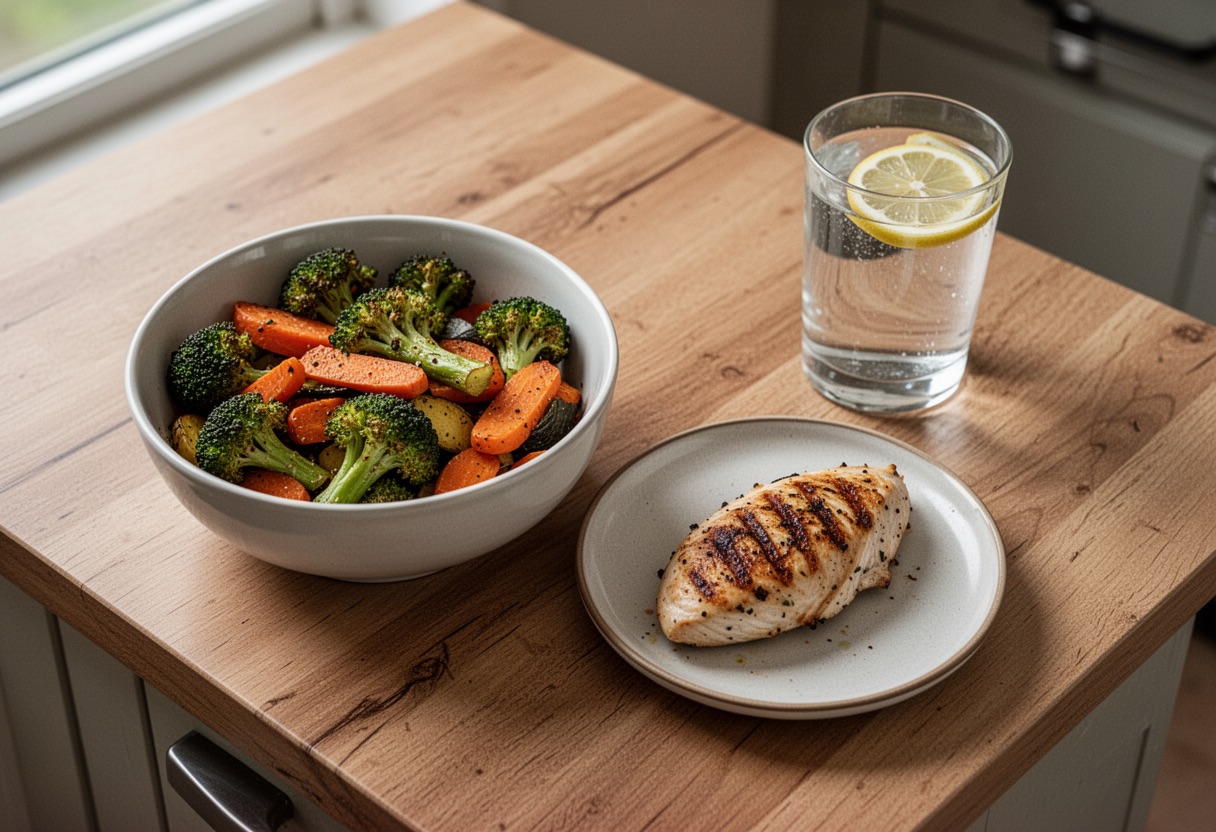
Living with IC does not mean living on bland food. Many people find these alternatives satisfying:
- Water (still, not sparkling) with a small amount of blueberry or pear juice for flavor
- Herbal teas — particularly chamomile, peppermint, and marshmallow root tea
- Low-acid fruits — blueberries, pears, watermelon, and bananas
- Mild cheeses — mozzarella, ricotta, cream cheese
- Herbs instead of spices — basil, oregano, thyme, rosemary
Supplements for IC Support
Several supplements have shown promise for supporting bladder health and reducing IC symptoms. None are guaranteed solutions, but many IC patients report meaningful benefit from one or more of the following.
Aloe Vera
Aloe vera — specifically in oral supplement form, often as freeze-dried capsules — has accumulated the most anecdotal and some clinical support for IC. A study published in the Journal of Urology found that oral aloe vera capsules significantly reduced IC symptoms in a subset of patients. The proposed mechanism involves aloe's GAG-like polysaccharides helping to coat and protect the bladder lining, along with its natural anti-inflammatory properties.
Look for aloe vera supplements specifically processed to remove anthraquinones (the compounds responsible for aloe's laxative effect). Desert Harvest is the brand most commonly used in IC research.
Quercetin
Quercetin is a naturally occurring flavonoid with potent mast cell stabilizing properties. Since mast cell activation is implicated in IC pathology, quercetin may help reduce histamine release in the bladder wall. One small clinical trial found that a supplement containing quercetin significantly reduced IC symptoms over four weeks. Beyond its mast cell effects, quercetin is also a powerful antioxidant and anti-inflammatory compound.
For IC, doses of 500 to 1000 mg daily are typically used, often divided into two doses. Taking it with bromelain may enhance absorption.
L-Arginine
L-arginine is an amino acid that serves as the precursor to nitric oxide, a molecule that relaxes smooth muscle — including the smooth muscle of the bladder wall. Research has shown that IC patients tend to have reduced nitric oxide synthase activity. A randomized controlled trial found that 1500 mg of L-arginine daily for three months decreased pain and urgency in IC patients compared to placebo.
Marshmallow Root
Marshmallow root (Althaea officinalis) contains mucilage — a gel-like substance that may coat and soothe irritated mucous membranes, including the bladder lining. While clinical trials specific to IC are limited, its traditional use for urinary tract irritation spans centuries, and its mechanism of action is consistent with GAG layer support.
It is commonly consumed as a cold infusion tea (steeped in cold water for several hours to maximize mucilage extraction) or in capsule form.
D-Mannose for Prevention
D-mannose is a simple sugar that prevents E. coli bacteria from adhering to the bladder wall. While IC is not caused by bacteria, many IC patients are prone to actual UTIs as well, and the inflammation from a genuine infection can trigger devastating IC flares. D-mannose as a preventive measure can help reduce the frequency of UTIs and thereby reduce flare triggers.
Additional Supportive Supplements
- Calcium glycerophosphate — acts as a urinary alkalizer, reducing the acidity of urine before it reaches the bladder
- Omega-3 fatty acids — for systemic anti-inflammatory support
- Magnesium glycinate — supports muscle relaxation and may help with pelvic floor tension
- Vitamin D — deficiency is common in IC patients and is associated with increased inflammation
Pelvic Floor Therapy: Addressing the Muscle Component
Up to 85 percent of IC patients have some degree of pelvic floor dysfunction — typically hypertonic (too-tight) pelvic floor muscles rather than weak ones. This is critically important to understand because it means that Kegel exercises — which strengthen the pelvic floor — are usually counterproductive for IC. The muscles need to relax, not tighten further.
What Pelvic Floor Therapy Involves
A specialized pelvic floor physical therapist will assess your muscle tone, identify trigger points, and develop a treatment plan that may include:
- Internal and external myofascial release — manual therapy to release tight spots in the pelvic floor muscles
- Trigger point therapy — addressing specific points of tension that refer pain to the bladder area
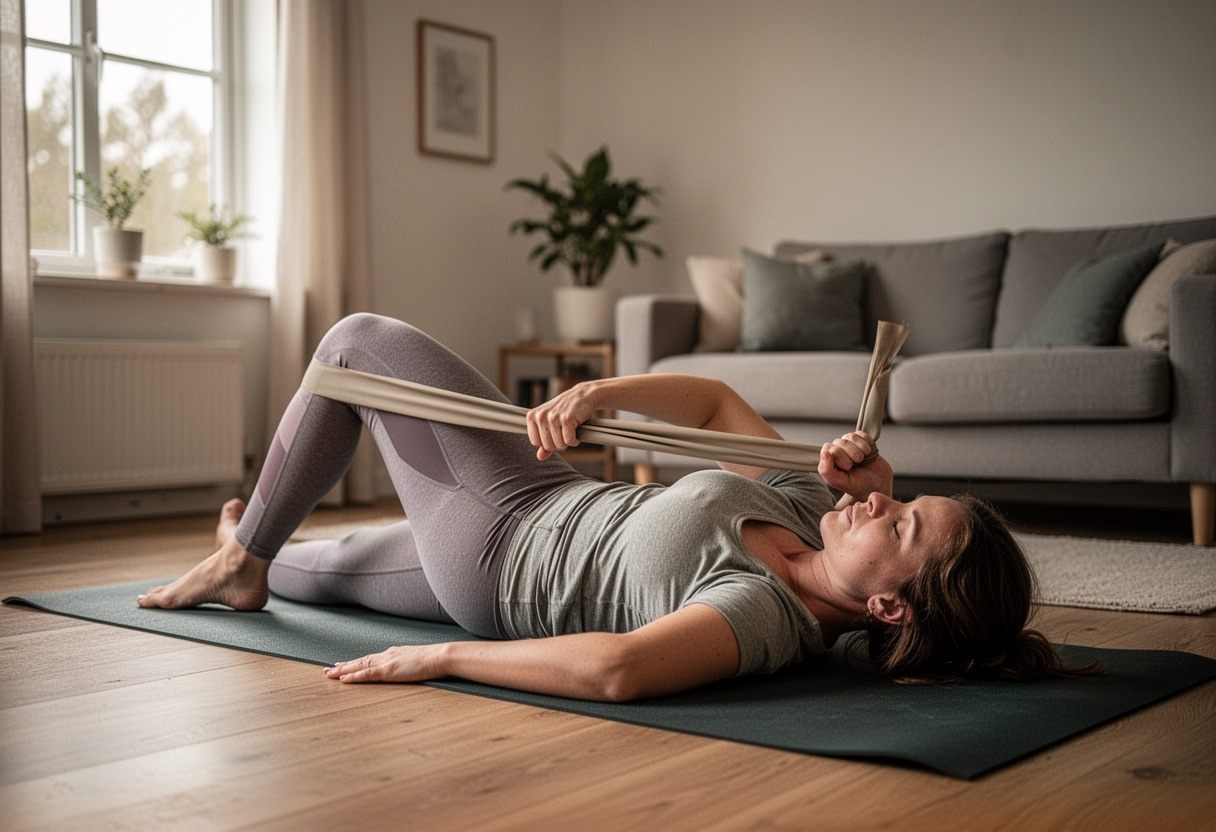
- Stretching and lengthening exercises — teaching the pelvic floor to release rather than grip
- Biofeedback — using sensors to help you visualize and learn to relax muscles you may not have conscious awareness of
- Home exercises — diaphragmatic breathing, hip stretches, and relaxation techniques
Self-Care Between Sessions
Between physical therapy appointments, several practices can help maintain pelvic floor relaxation:
- Diaphragmatic breathing — breathing deeply into the belly naturally encourages the pelvic floor to descend and release with each inhale
- Happy baby pose — lying on your back with knees drawn toward armpits, gently opening the hips
- Deep squat holds — resting in a deep squat position (supported if needed) for 30 to 60 seconds
- Butterfly stretch — sitting with soles of feet together, knees falling open
- Warm baths — heat naturally relaxes the pelvic floor muscles
Stress Management: Breaking the Flare Cycle
The relationship between stress and IC is not merely psychological — it is biochemical. Stress activates mast cells, increases cortisol (which eventually becomes pro-inflammatory with chronic elevation), tightens pelvic floor muscles, and amplifies pain signaling through the nervous system. Many IC patients identify stress as their primary flare trigger.
For a deeper understanding of how cortisol affects inflammation throughout the body, including the bladder, our guide on how to reduce cortisol naturally covers specific techniques for bringing stress hormones back into balance.
Effective Stress Reduction for IC
Meditation and mindfulness. Even 10 to 15 minutes daily of guided meditation can measurably reduce cortisol levels and mast cell activation. Apps like Insight Timer or Calm provide accessible starting points. Consistency matters more than duration.
Breathwork. Specific breathing patterns — particularly slow exhalation (inhaling for 4 counts, exhaling for 8) — directly activate the parasympathetic nervous system, reducing the sympathetic overdrive that triggers flares. This is particularly powerful because it can be done anywhere, including during a flare.
Gentle yoga. Restorative and yin yoga styles that emphasize long-held, passive stretches are particularly beneficial for IC because they simultaneously reduce stress and release pelvic floor tension. Avoid vigorous or heated yoga styles, which can worsen symptoms.
Progressive muscle relaxation. Systematically tensing and releasing muscle groups throughout the body, finishing with the pelvic floor, teaches your nervous system how to access a state of deep relaxation.
Our article on scalar energy and stress explores how energy-based approaches may support the nervous system's ability to shift from sympathetic dominance into a calmer, more regulated state.
Bladder Training: Rebuilding Capacity
IC often creates a vicious cycle: the bladder signals urgency at lower and lower volumes, you respond by urinating more frequently, and the bladder gradually loses its capacity to hold normal amounts of urine. Bladder training interrupts this cycle by systematically extending the intervals between bathroom visits.
How to Practice Bladder Training
Start where you are. Track your current voiding frequency for several days to establish your baseline interval.
Extend by small increments. When you feel the urge to urinate, practice waiting an additional 5 to 15 minutes before going. Use distraction techniques — deep breathing, mental counting, or gentle pelvic floor relaxation — to manage the urgency.
Gradually increase. Once you can comfortably wait the additional time consistently, add another 5 to 15 minutes. The goal is to gradually work toward voiding every 2.5 to 3.5 hours during the day.
Be patient. This is a process that typically takes weeks to months. Progress is not linear, and flare days are not failures.
Important: Bladder training should only be attempted during relatively stable periods, not during acute flares. Pushing through a genuine flare is counterproductive.
Heat Therapy and Comfort Measures
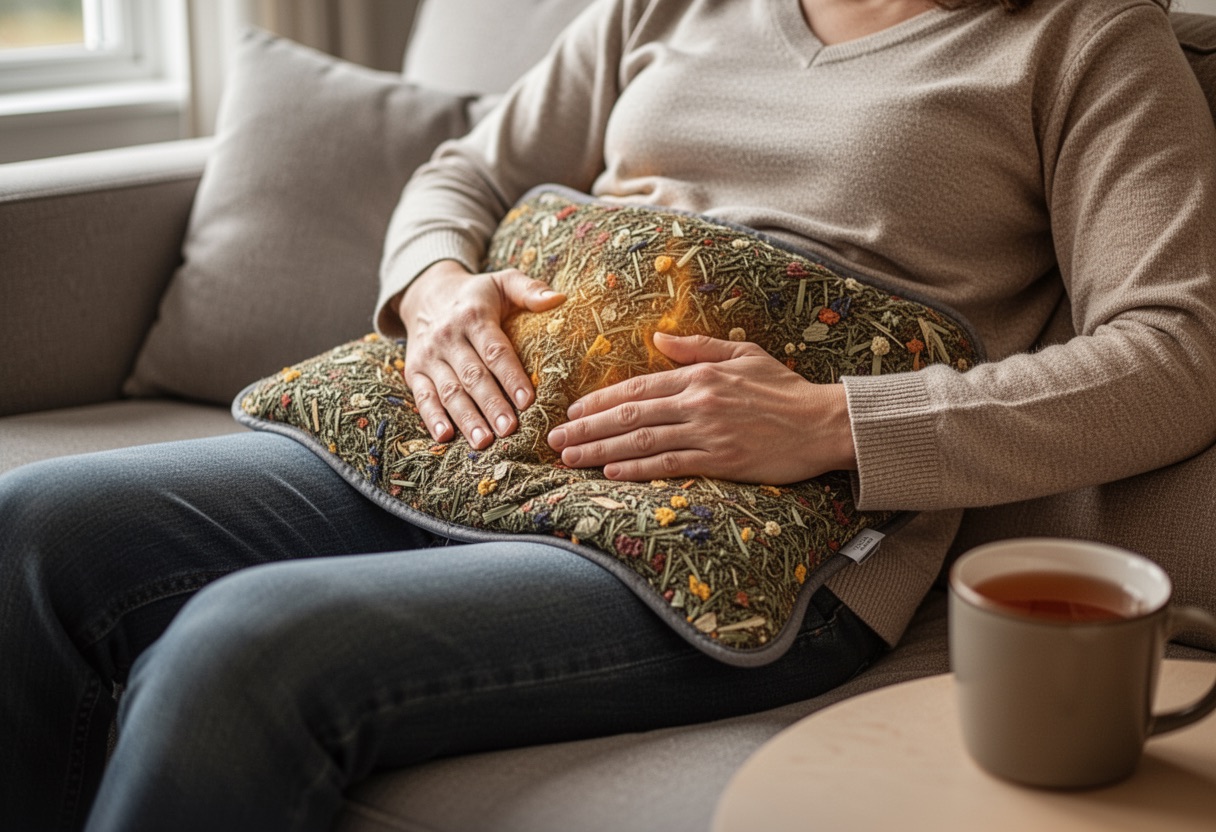
During flares, immediate comfort measures can make the difference between a manageable day and a miserable one:
- Heating pad on the lower abdomen or between the legs — heat relaxes the pelvic floor muscles and reduces pain signaling
- Warm (not hot) baths — particularly with Epsom salts (magnesium sulfate), which are absorbed through the skin and promote muscle relaxation
- Ice packs — some IC patients respond better to cold than heat, particularly for sharp or burning pain
- Comfortable clothing — avoiding tight waistbands, underwire bras, and anything that puts pressure on the pelvic area
- Urinary alkalizers — a quarter teaspoon of baking soda in water can temporarily reduce urine acidity during acute flares (use sparingly and not long-term)
When to See a Urologist
Natural management is powerful, but IC benefits from proper diagnosis and periodic medical oversight. See a urologist if:
- You have never received a formal IC diagnosis and are self-managing based on symptom pattern
- Your symptoms are worsening despite consistent lifestyle management
- You develop new symptoms such as blood in urine, fever, or severe back pain
- Your symptoms significantly impact your ability to work, sleep, or maintain relationships
- You want to explore medical options like bladder instillations, oral medications, or nerve stimulation alongside your natural approaches
IC management works best when natural and conventional approaches complement each other rather than compete.
Scalar Energy as a Complementary Approach
Many IC patients report that chronic pain conditions benefit from approaches that work at the level of cellular energy and nervous system regulation. Scalar energy therapy — which delivers specific frequencies remotely — may support the body's ability to reduce chronic inflammation, calm an overactive nervous system, and promote tissue healing.
For people with IC, the potential relevance lies in several areas: reducing the chronic inflammatory state in the bladder wall, supporting nervous system regulation to break the stress-flare cycle, and promoting overall cellular repair processes.
Our article on scalar energy and chronic pain explores in detail how this approach may complement other natural pain management strategies. And our guide on chronic inflammation and natural remedies provides additional context on addressing the inflammatory component of IC.
If you are interested in exploring whether scalar energy therapy might support your IC management, the free 6-day remote trial provides an opportunity to experience it without commitment.

Building Your IC Management Plan
IC is not a condition that responds to a single intervention. The most successful IC patients typically combine multiple approaches into a comprehensive management strategy:
- Identify and eliminate dietary triggers — this alone can reduce symptoms by 50 percent or more for many people
- Address pelvic floor dysfunction — find a specialized pelvic floor physical therapist
- Manage stress proactively — not as an afterthought but as a core treatment
- Support bladder health with appropriate supplements — starting with one or two and assessing response
- Practice bladder training — gradually rebuilding confidence and capacity
- Build a comfort toolkit — heat, positioning, and alkalizing strategies for flare days
- Work with your medical team — combining natural and conventional approaches for the best outcome
The goal is not perfection. It is building a life where IC is managed rather than managing you.
Frequently Asked Questions
What is the difference between interstitial cystitis and a urinary tract infection?
Although interstitial cystitis (IC) and urinary tract infections share symptoms like urgency, frequency, and pelvic discomfort, they are fundamentally different conditions. A UTI is caused by bacteria colonizing the urinary tract and is diagnosed through a urine culture showing bacterial growth. It responds to antibiotics and typically resolves within days of treatment. Interstitial cystitis, by contrast, shows no bacterial infection on testing. Urine cultures come back negative. Antibiotics do not help and may even worsen symptoms by disrupting protective bacteria. IC is a chronic condition involving inflammation or damage to the bladder wall itself, and it requires long-term management rather than a short course of medication.
Can interstitial cystitis be cured naturally?
There is currently no known cure for interstitial cystitis, whether through conventional medicine or natural approaches. However, many people achieve significant symptom reduction and even periods of remission through comprehensive lifestyle management. The IC diet — identifying and eliminating personal trigger foods — is often the single most impactful intervention. Combined with pelvic floor therapy, stress management, appropriate supplements, and bladder training, many IC patients report substantial improvement in their quality of life. The condition tends to be cyclical, with flares and remissions, and a proactive natural management plan can help extend remission periods and reduce flare severity.
What foods should you avoid with interstitial cystitis?
The most common dietary triggers for IC include coffee and caffeinated beverages, alcohol, citrus fruits and juices, tomatoes and tomato-based products, spicy foods, artificial sweeteners (especially aspartame), carbonated beverages, cranberry juice (counterintuitively, despite its UTI reputation), chocolate, vinegar, and aged cheeses. However, triggers are highly individual. What devastates one person's bladder may be perfectly tolerable for another. The recommended approach is an elimination diet — removing all common triggers for two to four weeks, then reintroducing them one at a time while monitoring symptoms. This allows you to identify your personal trigger profile rather than unnecessarily restricting your diet.
Does stress make interstitial cystitis worse?
Yes, stress is one of the most consistently reported triggers for IC flares. The connection is physiological, not imagined. Stress activates the sympathetic nervous system and triggers the release of cortisol and inflammatory mediators, including mast cell activation in the bladder wall. Mast cells release histamine and other inflammatory substances that directly irritate bladder tissue. Additionally, stress causes pelvic floor muscle tension, which can compress the bladder and urethra, worsening urgency and pain. Many IC patients report that their worst flares coincide with periods of high emotional or physical stress. This is why stress management — through meditation, breathwork, gentle yoga, or other calming practices — is considered a core component of IC management, not an optional add-on.
The information in this article is intended for general wellness and educational purposes only. It is not medical advice and does not replace consultation with a qualified healthcare professional.
Related Reading
- Scalar Energy and Chronic Pain — how scalar energy therapy may support pain management and nervous system regulation
- Chronic Inflammation: Natural Remedies — understanding and addressing the inflammatory processes underlying many chronic conditions
- How to Reduce Cortisol Naturally — practical strategies for managing the stress hormone that triggers IC flares
- Scalar Energy and Stress — how energy-based approaches may help calm an overactive nervous system
- Try the Free 6-Day Remote Trial — passive, no-effort scalar energy sessions delivered remotely