
Living with psoriatic arthritis means living with a condition that attacks you on two fronts simultaneously. Your joints ache, swell, and stiffen — sometimes predictably, sometimes without warning. Your skin flares with plaques that itch, crack, and bleed. And underlying both visible expressions is an immune system that has turned against your own tissues with a persistence that can feel relentless.
If you have PsA, you know the particular frustration of a disease that is visible yet misunderstood. People see the skin and assume it is cosmetic. They do not see the joint erosion that can occur silently beneath the surface. They do not understand the fatigue that makes you feel decades older than you are. And they rarely appreciate the psychological weight of managing a chronic, unpredictable condition that affects both how you move and how you look.
This article is for people who want to do everything within their power to manage psoriatic arthritis — not instead of medical treatment, but alongside it. The natural approaches discussed here address inflammation from multiple angles, support both joint and skin health, and target the underlying immune dysregulation that drives PsA. They are not cures. They are tools for taking an active role in your own care.

Understanding Psoriatic Arthritis
Psoriatic arthritis is a chronic autoimmune condition that combines inflammatory arthritis with psoriasis. It affects approximately 30 percent of people with psoriasis, though it can occasionally appear before skin symptoms or in people with minimal skin involvement.
Unlike osteoarthritis — which results from mechanical wear on cartilage — psoriatic arthritis involves the immune system actively attacking joint structures, tendons, and entheses (the points where tendons and ligaments attach to bone). Left unmanaged, this immune attack can cause permanent joint damage, including erosion, fusion, and deformity.
How PsA Manifests
PsA presents in several patterns:
- Asymmetric oligoarthritis — affecting a few joints on one side of the body (the most common initial presentation)
- Symmetric polyarthritis — resembling rheumatoid arthritis with multiple joints affected equally on both sides
- Distal interphalangeal predominant — primarily affecting the small joints closest to the fingernails and toenails
- Spondylitis — affecting the spine and sacroiliac joints
- Arthritis mutilans — the most severe form, causing significant bone destruction (rare)
The Full Symptom Picture
Beyond joint pain, PsA typically involves:
- Morning stiffness lasting 30 minutes or more
- Dactylitis — swelling of entire fingers or toes ("sausage digits")
- Enthesitis — pain at tendon attachment points, particularly the Achilles tendon and plantar fascia
- Skin plaques — raised, red patches covered with silvery scales, most commonly on elbows, knees, scalp, and lower back
- Nail changes — pitting, ridging, crumbling, or separation from the nail bed
- Fatigue — profound, disproportionate tiredness that affects daily functioning
- Eye inflammation — uveitis or iritis in some cases
What Drives the Disease
PsA is driven by overactivation of specific immune pathways, particularly those involving TNF-alpha, IL-17, and IL-23. These inflammatory cytokines create a cascade that simultaneously attacks joint synovium, skin keratinocytes, and entheseal tissue. Understanding this shared inflammatory mechanism explains why treatments that reduce these cytokines — whether pharmaceutical or natural — can address both joint and skin symptoms simultaneously.
Anti-Inflammatory Diet for PsA
Experience Scalar Energy for Free
Start your 6-day remote scalar energy trial — no payment, no commitment.
Start My Free 6-Day Trial →Diet cannot cure psoriatic arthritis, but it can meaningfully influence the level of systemic inflammation your immune system is working with. Think of it this way: if your immune system is already primed for inflammatory overreaction, a diet high in inflammatory triggers is adding fuel to an existing fire. Removing that fuel does not extinguish the fire, but it reduces its intensity.
The Mediterranean Approach
The Mediterranean diet has the most robust evidence base for inflammatory conditions. For PsA specifically, it provides:
Omega-3 fatty acids from fish, which directly compete with the pro-inflammatory omega-6 pathway and reduce production of inflammatory eicosanoids. Aim for fatty fish (salmon, mackerel, sardines, herring) two to three times weekly.
Polyphenols and antioxidants from abundant vegetables, fruits, olive oil, and green tea, which modulate inflammatory signaling pathways including NF-kB — the master regulator of inflammation that is overactive in PsA.
Fiber from vegetables, fruits, and legumes, which feeds beneficial gut bacteria that produce short-chain fatty acids with anti-inflammatory and immune-regulatory effects.
Olive oil as the primary fat source, providing oleocanthal — a compound with anti-inflammatory properties comparable to ibuprofen in mechanism (though not potency at dietary doses).
Foods to Emphasize
- Fatty fish (wild-caught salmon, sardines, mackerel, anchovies)
- Leafy greens (spinach, kale, chard, arugula)
- Cruciferous vegetables (broccoli, cauliflower, Brussels sprouts)
- Berries (blueberries, strawberries, blackberries)
- Extra virgin olive oil
- Nuts (walnuts especially, almonds, Brazil nuts)
- Seeds (flax, chia, hemp)
- Turmeric and ginger
- Green tea
- Bone broth (for collagen and glycine)
The Nightshade Question
Nightshade vegetables — tomatoes, peppers, eggplant, and potatoes — contain compounds called solanine and capsaicin that some people with inflammatory arthritis report worsen their symptoms. The evidence is largely anecdotal rather than from clinical trials, but the number of PsA patients who report improvement after eliminating nightshades is significant enough to warrant a trial.
The approach: eliminate all nightshades completely for four to six weeks, then reintroduce them one at a time. If symptoms worsen within 48 hours of reintroduction, you have likely identified a personal trigger. If there is no change, you can enjoy them freely.
Alcohol and PsA
Alcohol deserves specific mention because it affects both components of PsA. It worsens psoriasis skin symptoms (particularly in men), increases intestinal permeability (leaky gut), disrupts the gut microbiome, and is metabolically inflammatory. Many PsA patients report clear correlations between alcohol consumption and flare severity. Reduction or elimination is one of the simplest interventions with one of the highest return rates.
Supplements for Joint and Skin Support
Fish Oil (EPA/DHA)
Fish oil supplementation provides anti-inflammatory omega-3 fatty acids at doses higher than most people achieve through diet alone. For inflammatory arthritis, research supports doses of 2000 to 4000 mg of combined EPA and DHA daily. At these levels, fish oil has been shown to reduce morning stiffness, decrease tender joint count, and in some studies reduce the need for NSAID medications. The anti-inflammatory effect takes 8 to 12 weeks to fully manifest — this is not a quick fix but a sustained intervention.
Turmeric/Curcumin
Curcumin inhibits NF-kB, reduces TNF-alpha, and modulates multiple inflammatory pathways relevant to PsA. For therapeutic benefit, bioavailability-enhanced forms are essential — standard turmeric powder is poorly absorbed. Options include curcumin with piperine (black pepper extract), phytosomal curcumin, or liposomal formulations. Doses of 500 to 2000 mg of enhanced curcumin daily are typical for inflammatory conditions.
Vitamin D
Vitamin D deficiency is remarkably common in people with psoriatic arthritis — and research suggests it may be more than coincidental. Vitamin D modulates immune function, and low levels are associated with increased disease activity in multiple autoimmune conditions including PsA. Supplementation to achieve blood levels of 40-60 ng/mL may help reduce inflammatory drive. Typical doses range from 2000 to 5000 IU daily, adjusted based on testing.
Probiotics
The gut-skin-joint axis is increasingly recognized as central to PsA pathology. People with PsA have altered gut microbiome compositions, increased intestinal permeability, and evidence of bacterial translocation that may trigger immune activation. Probiotic supplementation — particularly multi-strain formulations containing Lactobacillus and Bifidobacterium species — may help restore gut barrier integrity and modulate immune responses. Some preliminary research specifically in psoriasis has shown improvements in skin severity scores with probiotic use.
Glucosamine and Chondroitin
While more commonly associated with osteoarthritis, glucosamine and chondroitin may provide some benefit in PsA by supporting cartilage maintenance and providing mild anti-inflammatory effects. The evidence is less strong for inflammatory arthritis than for osteoarthritis, but given the minimal risk profile, some people choose to include them as part of a comprehensive supplement strategy. Glucosamine sulfate at 1500 mg daily is the most studied form.
Additional Considerations
- Selenium — supports antioxidant defense and is often low in psoriasis patients
- Zinc — involved in immune regulation and skin healing
- Vitamin A — supports skin cell turnover (do not exceed 10,000 IU daily without medical guidance)
- MSM (methylsulfonylmethane) — provides sulfur for joint tissue and has mild anti-inflammatory properties
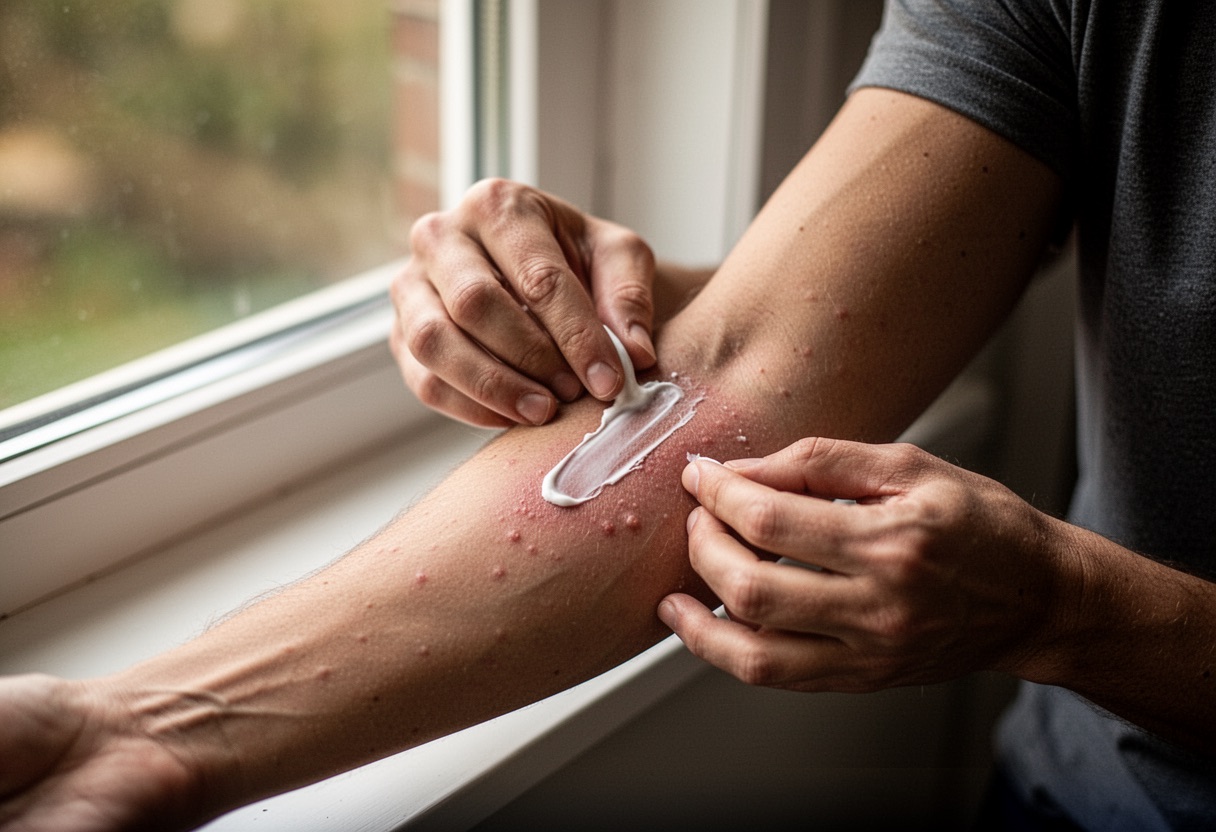
Topical Treatments for Skin Symptoms
Managing the skin component of PsA naturally involves both internal anti-inflammatory approaches and external soothing treatments.
Aloe Vera
Aloe vera gel applied topically has demonstrated modest benefit for psoriasis plaques in several studies. Its anti-inflammatory, moisturizing, and wound-healing properties make it a gentle daily treatment option. Look for pure aloe gel without added fragrances or alcohol, or use gel directly from an aloe plant.
Capsaicin Cream
Paradoxically, capsaicin — derived from hot peppers — applied topically can reduce psoriasis scaling and itching. It works by depleting substance P, a neuropeptide involved in pain and itch signaling, from local nerve endings. Initial application causes burning that diminishes with continued use over one to two weeks. It is typically applied two to four times daily to plaques (avoid broken skin and mucous membranes).
Dead Sea Salts
Bathing in Dead Sea salt solutions has a long history of use for psoriasis, supported by research showing improvements in skin severity scores. The high magnesium, bromide, and mineral content appears to reduce inflammation and improve skin barrier function. Add one to two cups of Dead Sea salt to a warm (not hot) bath and soak for 15 to 20 minutes, two to three times weekly. Moisturize immediately after bathing while skin is still slightly damp.
Moisturization Strategy
Keeping psoriatic skin well-moisturized reduces scaling, itching, and cracking. Heavy, occlusive moisturizers applied immediately after bathing (within three minutes) seal in hydration. Ingredients to look for include ceramides, shea butter, coconut oil, and colloidal oatmeal. Avoid products with fragrances, dyes, or alcohol.
Exercise for Psoriatic Arthritis
Exercise is essential for PsA management — but the type and timing matter. Joint inflammation creates a Catch-22: inactivity increases stiffness and deconditioning, but inappropriate exercise during active flares can worsen inflammation.
Benefits of Regular Exercise for PsA
- Maintains joint range of motion and prevents stiffness from becoming permanent
- Strengthens muscles that support and protect affected joints
- Reduces systemic inflammation through myokine release
- Combats fatigue through improved cardiovascular fitness
- Supports weight management (excess weight increases inflammatory burden and joint stress)
- Improves mood and psychological well-being
- May improve psoriasis skin symptoms through improved circulation and stress reduction
Recommended Exercise Types
Low-impact cardiovascular exercise — swimming, cycling, elliptical training, and walking are joint-friendly options that improve cardiovascular fitness without excessive joint stress. Swimming is particularly beneficial because water provides buoyancy (reducing joint load) and gentle resistance.
Strength training — two to three sessions weekly focusing on major muscle groups. Start with lighter weights and higher repetitions to avoid aggravating joints. Strengthening the muscles around affected joints provides support and reduces pain.
Flexibility and mobility work — daily gentle stretching, yoga, or tai chi to maintain joint range of motion and reduce stiffness. Morning stretching is particularly important for managing the characteristic morning stiffness of PsA.
Aquatic exercise — warm water exercise combines the benefits of movement with the therapeutic effects of warmth on stiff joints and the buoyancy that reduces joint loading.
Exercising During Flares
During active flares, reduce exercise intensity but try to maintain gentle movement. Complete rest during flares leads to increased stiffness and deconditioning that makes recovery harder. Gentle range-of-motion exercises, walking, and stretching are usually tolerable even during flares. Return to full activity gradually as the flare resolves.
Stress Management: A Core Treatment Strategy
Stress is not merely a quality-of-life concern in PsA — it is a disease driver. Research consistently demonstrates that psychological stress precedes flares in both psoriasis and psoriatic arthritis, and that stress reduction interventions improve disease outcomes.
Why Stress Matters Physiologically
Chronic stress increases TNF-alpha, IL-17, and IL-23 — the exact cytokines that drive PsA. It disrupts gut barrier integrity, allowing bacterial products to enter the bloodstream and trigger immune activation. It reduces regulatory T cell function that normally prevents autoimmune responses from spiraling. And it sensitizes pain pathways, making existing inflammation feel worse.
Effective Stress Reduction Approaches
Mindfulness meditation — eight-week MBSR programs have been studied specifically in psoriasis and shown to improve skin clearance rates. Daily practice of even 10 to 15 minutes can reduce inflammatory cytokines over time.
Cognitive behavioral therapy — structured approaches to managing the psychological impact of chronic disease, addressing catastrophizing, health anxiety, and the grief of living with limitations.
Nature exposure — time outdoors reduces cortisol and inflammatory markers. For psoriasis specifically, moderate sun exposure also provides vitamin D and UV benefit to plaques (while being careful to avoid sunburn).
Social connection — isolation worsens both stress and inflammation. Connecting with others who understand PsA (through support groups or online communities) reduces the psychological burden of the condition.
Breathing practices — box breathing, extended exhale breathing, and coherent breathing all activate the parasympathetic nervous system, reducing the sympathetic overdrive that fuels inflammation.
Sleep: The Underrated Factor
Poor sleep is both a consequence and a driver of PsA activity. Joint pain and skin itching disrupt sleep. Sleep deprivation increases inflammatory cytokines and pain sensitivity. This creates a vicious cycle that must be actively interrupted.
Sleep Strategies for PsA
- Address pain before bed with appropriate interventions (heat, topical treatments, gentle stretching)
- Keep the bedroom cool — heat worsens itching
- Use breathable, soft bedding that does not irritate skin
- Maintain consistent sleep and wake times
- Manage stress and worry before bed through journaling or meditation
- Consider magnesium glycinate supplementation (400-600 mg) in the evening for its muscle-relaxing and sleep-supporting effects
- Apply moisturizer to plaques before bed to reduce nighttime itching

The Gut-Skin-Joint Axis
Emerging research points to the gut microbiome as a central player in PsA pathology. People with PsA show reduced microbial diversity, increased intestinal permeability, and evidence that gut-derived inflammation contributes to both skin and joint disease.
Supporting gut health may therefore influence disease activity through multiple mechanisms:
- Dietary fiber feeds beneficial bacteria that produce anti-inflammatory short-chain fatty acids
- Fermented foods (if tolerated) introduce beneficial microbial diversity
- Probiotics may help restore balance and reduce intestinal permeability
- Eliminating gut irritants — alcohol, processed foods, artificial sweeteners — reduces damage to the intestinal lining
- Bone broth and gelatin provide amino acids (glycine, proline) that support gut lining repair
This gut-focused approach is particularly relevant for PsA because the same IL-17 pathway that drives the disease is heavily influenced by gut microbial composition.
The Role of Biologic Medications
This article would be incomplete — and potentially irresponsible — without clearly stating the role of conventional medication in PsA management.
Biologic medications (TNF inhibitors, IL-17 inhibitors, IL-23 inhibitors) and targeted synthetic DMARDs have transformed PsA treatment. They can achieve significant disease control, prevent joint damage, clear skin substantially, and improve quality of life dramatically for people with moderate to severe disease.
Natural approaches complement these medications. They do not replace them for active, progressive disease. The natural strategies discussed here may allow some people to use lower medication doses, may help manage symptoms that persist despite medication, and may support overall health in ways that improve treatment outcomes. But the decision about whether to use biologic therapy should be made with your rheumatologist based on your disease severity, rate of progression, and individual risk factors.
Scalar Energy as a Complementary Approach
Psoriatic arthritis involves chronic inflammation, immune dysregulation, pain, and fatigue — all areas where scalar energy therapy may provide complementary support. By working at the cellular level to promote energy balance and reduce inflammatory burden, scalar energy sessions may help address the underlying terrain of the disease rather than just individual symptoms.
For people managing both joint and skin symptoms, an approach that works systemically rather than targeting one manifestation at a time has intuitive appeal. Our article on scalar energy and inflammation explores the mechanisms by which energy-based approaches may modulate inflammatory processes, while scalar energy and autoimmune conditions addresses the broader autoimmune context.
For additional natural approaches to joint symptoms specifically, our guide on joint pain and arthritis natural remedies provides complementary strategies. And for the skin component, our article on eczema, psoriasis, and skin conditions offers targeted support.
If you would like to explore scalar energy therapy as part of your PsA management plan, the free 6-day remote trial offers a no-risk opportunity to experience it alongside your existing treatment.

Creating Your PsA Management Plan
Psoriatic arthritis requires a multi-pronged approach because it is a multi-system disease. The most successful management plans typically include:
- Appropriate medical therapy — working with a rheumatologist to find the right medication strategy for your disease severity
- Anti-inflammatory nutrition — Mediterranean diet principles with personalized elimination of triggers (nightshades, gluten, alcohol)
- Targeted supplementation — fish oil, vitamin D, curcumin, and probiotics as the foundation
- Regular exercise — combining cardiovascular, strength, and flexibility work adapted to your capacity
- Stress management — as a core treatment, not an afterthought
- Sleep optimization — addressing the factors that disrupt rest
- Skin care — topical treatments and moisturization to manage the dermatological component
- Gut health support — recognizing the gut-skin-joint connection and nourishing it accordingly
The goal is not to do everything perfectly. It is to build a sustainable foundation of habits that reduce your overall inflammatory load, support your body's healing capacity, and give you the highest quality of life possible while living with a chronic condition.
Frequently Asked Questions
Can psoriatic arthritis be treated without medication?
For mild psoriatic arthritis with minimal joint involvement, some people may manage adequately with lifestyle modifications alone — anti-inflammatory diet, regular exercise, stress management, and appropriate supplements. However, for moderate to severe PsA, medication is typically necessary to prevent irreversible joint damage. Unlike osteoarthritis (which is wear-and-tear), psoriatic arthritis involves active autoimmune inflammation that can erode and destroy joint structures permanently if left unchecked. The natural approaches in this article work best as complementary strategies alongside appropriate medical treatment, not as replacements for it. If your rheumatologist recommends a biologic or DMARD, it is because imaging or clinical assessment shows active inflammation that risks permanent damage — that is not a decision to take lightly or dismiss.
What is the best diet for psoriatic arthritis?
The Mediterranean diet has the strongest evidence base for inflammatory arthritis conditions including PsA. It emphasizes fatty fish (salmon, sardines, mackerel) two to three times weekly, abundant vegetables and fruits, olive oil as the primary fat source, nuts and seeds, whole grains, and legumes. It minimizes red meat, processed foods, refined sugar, and alcohol. Some people with PsA also benefit from eliminating nightshade vegetables (tomatoes, peppers, eggplant, potatoes) — though this is individual and should be tested through a structured elimination rather than permanent avoidance. Gluten elimination may help a subset of PsA patients, particularly those who test positive for anti-gliadin antibodies. The key principle is reducing systemic inflammation through food while identifying personal triggers that worsen your specific symptoms.
Does turmeric really help with psoriatic arthritis?
Turmeric — specifically its active compound curcumin — has substantial anti-inflammatory evidence. Multiple clinical trials have demonstrated that curcumin reduces inflammatory markers (CRP, IL-6, TNF-alpha) and improves symptoms in various forms of arthritis. For psoriatic arthritis specifically, curcumin is relevant because it inhibits the same inflammatory pathways (NF-kB, TNF-alpha) that biologic medications target. However, curcumin has poor bioavailability — ordinary turmeric powder provides minimal therapeutic benefit. Effective supplementation requires formulations designed for absorption: curcumin with piperine (black pepper extract), liposomal curcumin, or phytosomal forms. Therapeutic doses range from 500 to 2000 mg of enhanced curcumin daily. It is not a replacement for prescribed medication in active disease, but it may provide additional anti-inflammatory support.
How does stress affect psoriatic arthritis flares?
Stress is one of the most consistently reported triggers for both psoriasis skin flares and psoriatic arthritis joint flares. The mechanism involves the hypothalamic-pituitary-adrenal (HPA) axis and the immune system's response to psychological stress. Chronic stress increases pro-inflammatory cytokines (TNF-alpha, IL-17, IL-23) — the same molecules that drive PsA — while simultaneously reducing regulatory immune function that normally keeps autoimmune responses in check. Stress also disrupts gut barrier integrity (leaky gut), which may trigger immune activation given the gut-skin-joint axis implicated in PsA. Additionally, stress worsens pain perception, disrupts sleep, and reduces motivation for exercise and healthy eating — creating a cascade that amplifies flare severity. This is why stress management is considered a core treatment strategy, not a luxury, for people with PsA.
The information in this article is intended for general wellness and educational purposes only. It is not medical advice and does not replace consultation with a qualified healthcare professional.
Related Reading
- Eczema, Psoriasis, and Skin Conditions: Natural Remedies — targeted natural approaches for managing inflammatory skin conditions
- Joint Pain and Arthritis Natural Remedies — comprehensive strategies for joint health and pain management
- Scalar Energy and Autoimmune Conditions — how energy-based approaches may support immune regulation
- Scalar Energy and Inflammation — understanding how scalar therapy may modulate inflammatory processes
- Try the Free 6-Day Remote Trial — passive, no-effort scalar energy sessions delivered remotely