Quick Answer: Approximately 38% of American adults — over 100 million people — use some form of complementary or alternative medicine annually. Americans spend approximately $30-34 billion per year on CAM. The global market is projected to reach $400 billion by 2030. Chronic pain, anxiety, and sleep disorders are the primary drivers of CAM use.
Key Statistics at a Glance
- 38% of American adults use complementary and alternative medicine annually (CDC NHIS)
- $30–34 billion spent out-of-pocket on CAM annually in the US (NCCIH)
- $99 billion global CAM market value (2022), projected to reach $400 billion by 2030
- 50–70% of CAM users do not disclose use to their physicians
- Chronic pain is the single most common condition driving CAM use
- 20% CAGR — the projected growth rate of the global CAM market
How Many Americans Use Alternative Medicine?
The most authoritative data on CAM use in the United States comes from the CDC's National Health Interview Survey (NHIS), which has tracked complementary health approaches since 2002.
Key NHIS findings:
- 38.3% of adults used some form of complementary health approach in the survey period
- 11.6% of children used complementary health approaches
- Usage is highest among women, adults aged 45–64, and those with higher educational attainment
- Adults living in western US states show the highest regional rates of CAM use
- CAM use is higher among people with one or more chronic conditions
Historical trend: The percentage of Americans using CAM has been relatively stable at 35–40% since 2002, suggesting a persistent and established behavior pattern rather than a trend or fad.
What Types of Alternative Medicine Do Americans Use Most?
Most commonly used complementary approaches (US adults):
| Approach | % of Adults Using |
|---|---|
| Natural products (supplements, herbs) | 17.7% |
| Deep breathing exercises | 10.9% |
| Yoga | 9.5% |
| Chiropractic / osteopathic manipulation | 8.4% |
| Meditation | 8.0% |
| Massage therapy | 6.9% |
| Special diets | 3.0% |
| Homeopathy | 1.8% |
| Progressive relaxation | 2.1% |
| Guided imagery | 1.7% |
| Energy healing therapies | 1.2–2.0% (estimated) |
Source: NCCIH/CDC National Health Interview Survey
Why Do People Use Alternative Medicine?
Reasons given for CAM use (NHIS data):
The most frequently cited reasons Americans use complementary approaches include:
1. Perceived effectiveness for specific conditions The most common primary driver — particularly for chronic pain, sleep disorders, and anxiety. Many people report trying CAM after conventional medicine provided inadequate relief for chronic conditions.
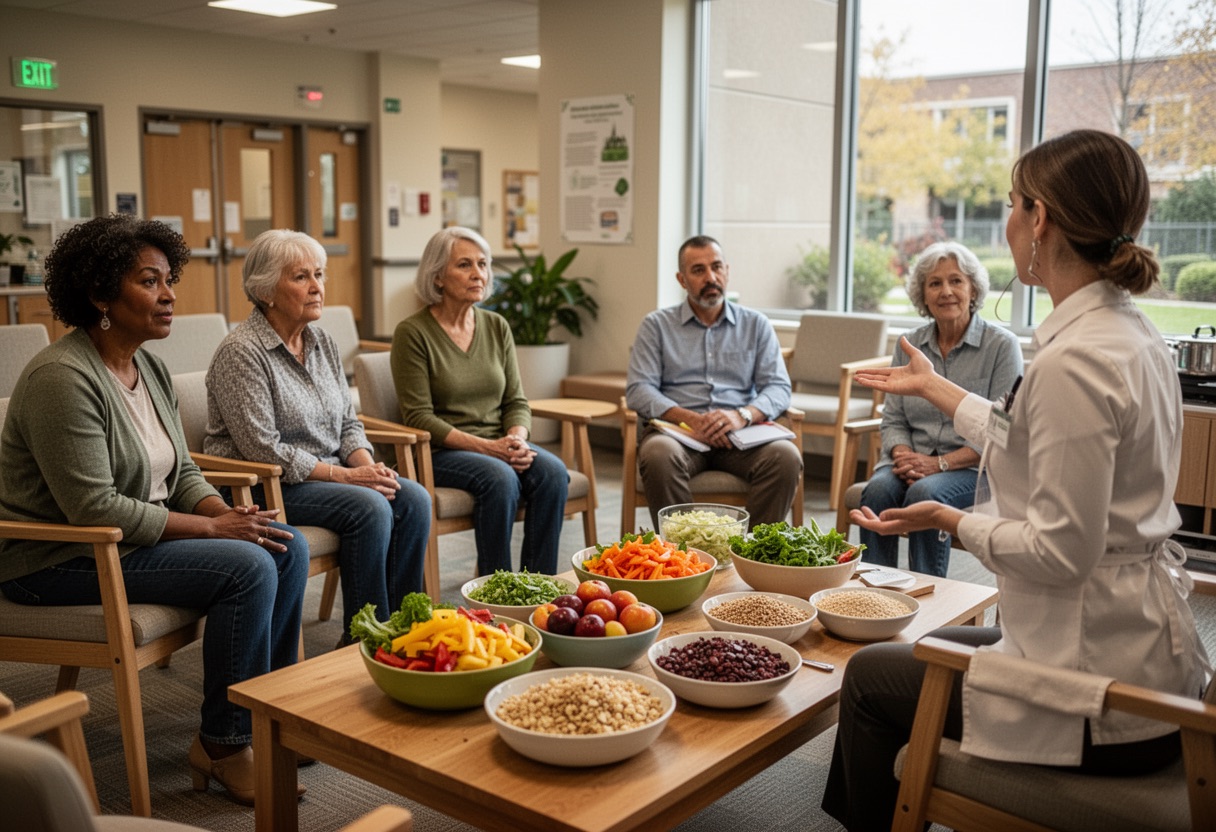
2. Holistic approach to health A significant portion of CAM users cite a desire for approaches that address the "whole person" — physical, mental, and emotional — rather than symptom-specific pharmacological treatment.
3. Lower perceived risk of adverse effects Non-pharmacological approaches are perceived as having lower risk profiles than medications — particularly relevant for people managing multiple conditions on multiple medications.
4. Conventional medicine limitations for chronic conditions Chronic conditions where conventional medicine manages but does not cure (fibromyalgia, chronic pain, IBS, anxiety) are consistently the primary drivers of CAM uptake. Where conventional medicine offers clear solutions, CAM use is lower.
5. Cost considerations For some conditions, conventional treatment costs (specialist visits, prescription medications) are prohibitive. Some CAM approaches offer lower per-session costs or self-administration options.
6. Cultural and philosophical alignment Approximately one-third of CAM users report that complementary approaches "fit their values, worldview, or beliefs about health" — suggesting a values-based as well as utilitarian motivation.
What Conditions Drive Alternative Medicine Use Most?
Top conditions for which Americans use CAM (NHIS):
| Condition | % of CAM Users Citing It |
|---|---|
| Back pain | 17.1% |
| Neck pain | 5.9% |
| Joint pain / stiffness | 5.2% |
| Anxiety / stress | 4.7% |
| Musculoskeletal conditions | 3.3% |
| Insomnia / sleep disorders | 2.2% |
| Fatigue | 2.0% |
| Headaches / migraines | 1.6% |
| Digestive conditions | 1.5% |
| Depression | 1.2% |
Pattern: Chronic conditions with significant quality-of-life impact and limited conventional treatment options are consistently the primary drivers. This explains why pain, anxiety, and sleep — conditions where conventional options are either limited or have significant side effect profiles — dominate CAM use.
Experience Scalar Energy for Free
Start your 6-day remote scalar energy trial — no payment, no commitment.
Start My Free 6-Day Trial →The Global Alternative Medicine Market
Market size and projections:
| Year | Global CAM Market Value |
|---|---|
| 2020 | $82.3 billion |
| 2022 | $99.4 billion |
| 2025 (projected) | $210 billion |
| 2030 (projected) | $400 billion |
Sources: Grand View Research, Market Research Future, Allied Market Research
CAGR: Approximately 19–22% compound annual growth rate — making it one of the fastest-growing sectors in healthcare.
Largest national markets:
- United States
- Germany
- China
- Japan
- United Kingdom
Fastest-growing regions: Asia-Pacific and Latin America are projected to show the highest growth rates through 2030.

Spending on Alternative Medicine
US out-of-pocket spending:
Americans spend approximately $30–34 billion per year out-of-pocket on CAM, according to NCCIH estimates. This figure:
- Exceeds out-of-pocket spending on conventional physician services for many demographic groups
- Is largely not covered by insurance (though coverage is expanding)
- Has been relatively stable as a share of healthcare spending over the past decade
Breakdown by category (estimated):
- Practitioner visits (chiropractic, acupuncture, massage): largest share
- Natural products and supplements: approximately $22 billion annually
- Energy therapies and other modalities: smaller but growing share
Alternative Medicine and Conventional Healthcare Integration
Insurance coverage trends:
CAM coverage by insurance is expanding, driven by patient demand and emerging evidence:
- Chiropractic care is covered by most major insurance plans
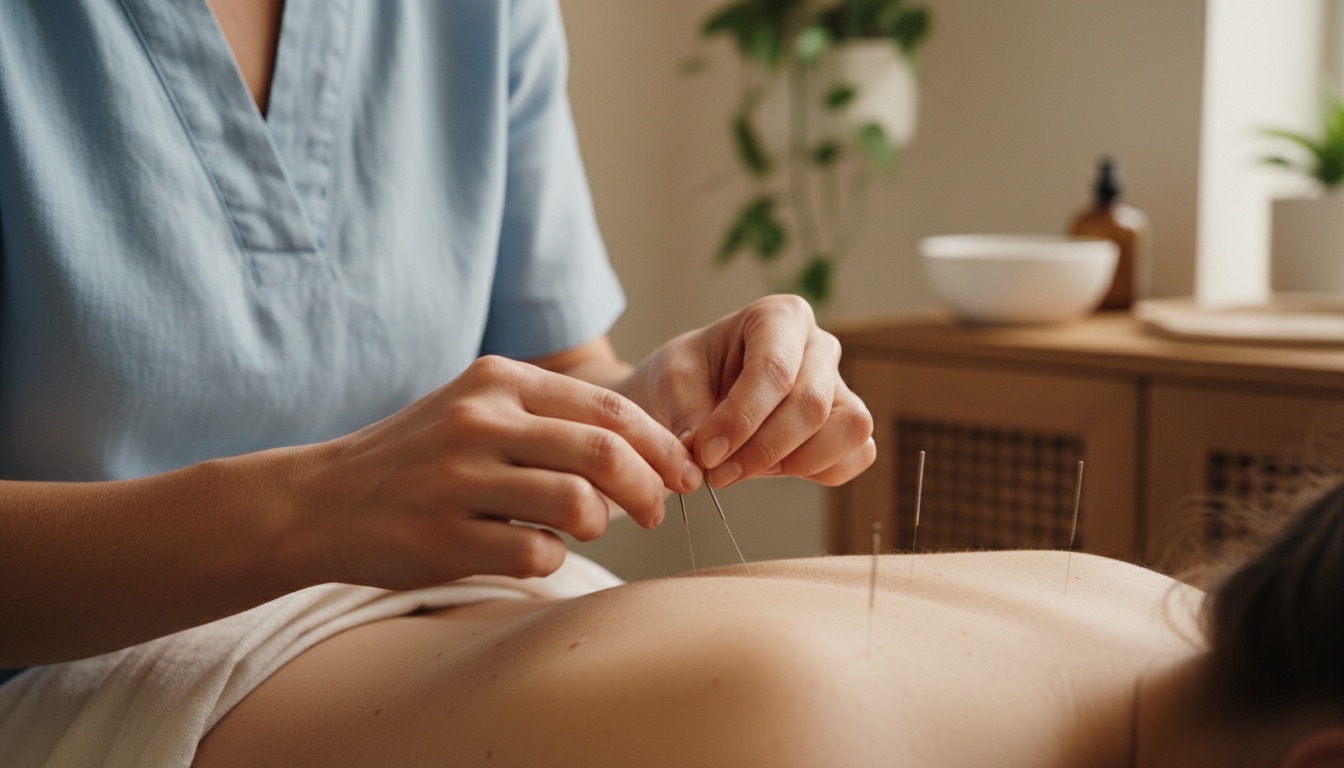
- Acupuncture is increasingly covered — particularly for chronic pain following the opioid crisis
- Massage therapy is covered by some plans for specific medical indications
- Mind-body therapies (meditation, yoga) are offered through some wellness programs
- Energy therapies generally remain out-of-pocket
Hospital integration:
- Over 42% of hospitals offer some complementary medicine services, according to the American Hospital Association
- Integrative oncology is now standard at major cancer centers including MD Anderson and Memorial Sloan Kettering
- The Academic Consortium for Integrative Medicine and Health includes over 75 academic medical centers
Alternative Medicine Use Demographics
Who is most likely to use CAM (US data):
| Demographic | Relative CAM Use |
|---|---|
| Women | Higher than men |
| Age 45–64 | Highest age group |
| Higher education | Higher usage |
| Western US | Highest regional |
| Multiple chronic conditions | Significantly higher |
| Higher income | Higher in some categories |
Gender difference: Women are consistently more likely to use CAM across all modalities — approximately 42% of women vs. 34% of men in recent NHIS surveys.
Age pattern: Middle-aged adults show the highest rates, possibly reflecting both the prevalence of chronic conditions in this age group and greater disposable income.
What the Data Means
Several conclusions emerge from this data:
1. CAM is mainstream, not fringe 38% of adults and $30+ billion in annual spending places CAM firmly in the mainstream of American health behavior. The framing of "alternative medicine" as marginal does not reflect actual population behavior.
2. Chronic disease is the driver The concentration of CAM use around chronic pain, anxiety, and sleep — conditions where conventional medicine has significant limitations — explains most of the pattern. People turn to complementary approaches primarily when conventional options have not fully met their needs.
3. The market is growing rapidly 20%+ annual growth rates reflect increasing mainstream acceptance, growing evidence bases for some modalities, and the persistent burden of chronic disease that conventional medicine has not solved.
4. Communication with physicians is a gap The 50–70% non-disclosure rate represents a genuine clinical risk (supplement-drug interactions) and a missed opportunity for integrated care. This gap is being addressed by integrative medicine programs but remains significant.
5. Integration with conventional care is increasing Hospital adoption of CAM services and growth of academic integrative medicine programs suggest that the sharp division between "conventional" and "alternative" medicine is gradually becoming less distinct.
Sources and Methodology
Statistics in this guide are drawn from the following primary sources:
- CDC/NCCIH National Health Interview Survey (NHIS) — the primary US population survey on CAM use, conducted by the CDC with NCCIH collaboration
- National Center for Complementary and Integrative Health (NCCIH) — NIH division publishing CAM research and population data
- Grand View Research — market research firm publishing CAM market sizing
- Market Research Future — market research firm publishing healthcare market projections
- American Hospital Association — annual surveys on hospital CAM service integration
- Academic Consortium for Integrative Medicine and Health — membership data
Market projection figures represent analyst estimates and carry inherent uncertainty. Survey data reflects self-reported behavior and carries survey methodology limitations.
This statistics page is updated to reflect the most current available data as of early 2026. For medical decisions, consult qualified healthcare professionals. This page is for educational and informational purposes.
Related Reading
- Why Mainstream Medicine Ignores Energy Healing — the institutional context behind these adoption numbers
- Complementary Therapy Finder — match your condition to the right therapy
- Does Scalar Energy Work? — the evidence behind one of the fastest-growing modalities
- 47 Chronic Pain Conditions and Complementary Therapies — the most common reason people turn to complementary medicine