
Quick Answer: PEMF and scalar energy therapy both fall within the bioelectromagnetics category — they propose that electromagnetic field influences on the body produce therapeutic effects. PEMF has stronger conventional evidence including FDA-cleared applications. Scalar energy has a more limited clinical trial base but offers remote delivery without equipment. Both address overlapping conditions through related mechanisms.
Two Approaches to Electromagnetic Healing
Pulsed electromagnetic field therapy and scalar energy therapy are the two most discussed approaches within the bioelectromagnetics-based wellness space. They share important common ground — both propose that non-conventional electromagnetic influences on the body can produce measurable physiological effects — but differ substantially in their delivery, evidence base, cost structure, and accessibility.
This comparison aims to give a fair, honest picture of both.

What Is PEMF Therapy?
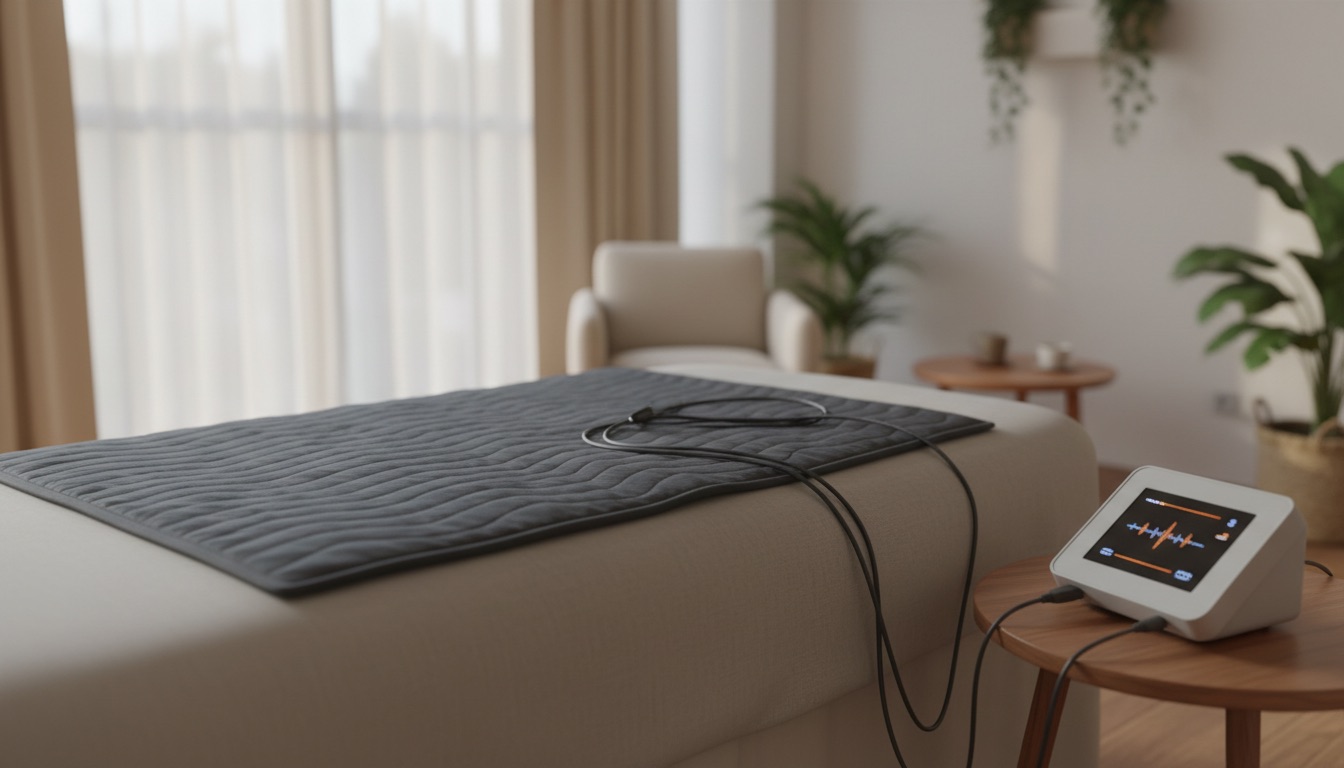
PEMF (Pulsed Electromagnetic Field) therapy uses detectable, measurable electromagnetic pulses delivered through a coil, mat, or pad placed on or near the body. The pulses are defined by specific frequencies, intensities, and waveforms that have been studied in clinical trials.
Key characteristics of PEMF:
- Delivered through a physical device in contact with or proximity to the body
- Uses measurable, defined electromagnetic frequencies
- Has FDA-cleared applications for bone fracture healing and TMS (transcranial magnetic stimulation) for depression
- Multiple published randomized controlled trials
- Devices range from clinical-grade ($5,000+) to consumer-grade ($200–$800)
Most researched PEMF applications:
- Non-union bone fracture healing (FDA-cleared)
- Osteoarthritis pain reduction
- Post-surgical pain and edema
- Depression (TMS is a specific PEMF application)
- Sleep improvement
- Inflammatory marker reduction
What Is Scalar Energy Therapy?
Scalar energy therapy uses proposed standing wave fields — described as non-Hertzian, longitudinal electromagnetic phenomena that, unlike conventional electromagnetic radiation, do not diminish with distance in the same way.
Key characteristics of scalar energy:
- Proposed to be deliverable remotely — no physical device required at the recipient's location
- Based on theoretical work from Nikola Tesla and subsequent bioelectromagnetics researchers
- Limited peer-reviewed clinical trials specifically on scalar energy
- Draws mechanistic plausibility from the broader bioelectromagnetics research base
- Typically delivered as a service rather than a device purchase
Most reported applications:
- Sleep quality improvement
- Anxiety and stress reduction
- Chronic pain support
- Fatigue and energy improvement
- Autonomic nervous system regulation
Side-by-Side Comparison
| Property | PEMF Therapy | Scalar Energy Therapy |
|---|---|---|
| Delivery method | Physical device on/near body | Remote — no device required |
| Distance | Must be in proximity | Distance-independent (proposed) |
| Scientific standing | FDA-cleared applications, RCTs | Bioelectromagnetics framework, limited RCTs |
| Cost structure | Device purchase + sessions | Service subscription / per session |
| Upfront cost | $200–$5,000+ (device) | Free trial available |
| Session involvement | Active — device placement required | Passive — recipient does nothing |
| Best evidence for | Bone healing, OA pain, TMS depression | Sleep, anxiety, ANS regulation (reported) |
| Portability | Requires device | Fully remote |
| Contraindications | Implanted devices, pregnancy (varies) | No documented contraindications |
How Their Proposed Mechanisms Differ
Both therapies propose that electromagnetic field interactions with biological systems produce therapeutic effects. The specific mechanisms differ:
PEMF Mechanism
PEMF pulses create time-varying magnetic fields that induce small electrical currents in tissue. These currents are documented to:
- Stimulate osteoblast activity (bone healing)
- Reduce inflammatory cytokine production
- Affect cellular membrane potential and ion channel function
- Modulate autonomic nervous system activity
- Influence mitochondrial function
The mechanism is measurable and reproducible with standard instruments.
Scalar Energy Mechanism
Scalar energy's proposed mechanism involves standing wave interactions with biological systems through:
- Autonomic nervous system rebalancing (sympathetic-to-parasympathetic shift)
- Vagal tone enhancement (reducing systemic inflammation and anxiety)
- HPA axis regulation (cortisol normalization)
- Mitochondrial efficiency support
- Quantum non-local information transfer (for remote application)
The mechanism is proposed within a theoretical framework that mainstream physics does not fully recognize, though the biological effects it proposes are consistent with documented PEMF effects.
Experience Scalar Energy for Free
Start your 6-day remote scalar energy trial — no payment, no commitment.
Start My Free 6-Day Trial →Research and Evidence Comparison
PEMF Evidence Base
PEMF has the stronger conventional evidence base:
- Bone fracture healing: Multiple RCTs, FDA cleared since 1979
- Osteoarthritis: Systematic reviews showing pain reduction vs. placebo
- Depression (TMS): FDA-cleared for treatment-resistant depression
- Sleep: Several controlled studies showing improved sleep quality
- Inflammation: Documented reduction in NF-κB signaling and pro-inflammatory cytokines
The PEMF evidence base benefits from decades of research funding and the existence of measurable, standardized devices that allow blinded trials.
Scalar Energy Evidence Base
Scalar energy's research base is more limited in the conventional sense:
- Clinical trials specifically on scalar energy therapy are sparse in peer-reviewed literature
- The theoretical physics framework is disputed by mainstream physics
- Mechanistic plausibility is drawn from the broader bioelectromagnetics literature
- Recipient-reported outcomes (sleep, anxiety, pain) are consistent but come largely from practitioner reports rather than controlled trials
The research limitation reflects partly the difficulty of designing blinded trials for a remote modality and partly the mainstream rejection of the theoretical framework.

Conditions: Who Gets What
PEMF Is Typically Preferred For:
- Acute bone injuries — strong clinical evidence, FDA-cleared
- Osteoarthritis — multiple controlled trials
- Localized pain — device placement allows targeted treatment
- Treatment-resistant depression (TMS specifically)
- People who prefer device-based, evidence-backed approaches
Scalar Energy Is Typically Sought For:
- Sleep disorders — most consistently reported first effect
- Anxiety and chronic stress — autonomic regulatory mechanism relevant
- Fibromyalgia — central sensitization + sleep component
- People who cannot or prefer not to use physical devices
- Remote accessibility — useful for those with mobility limitations
- Lower cost of entry — free trial eliminates financial risk
Cost Comparison
| Cost Factor | PEMF | Scalar Energy |
|---|---|---|
| Entry cost | $200–$5,000+ (device) | Free (trial period) |
| Clinical sessions | $60–$150 per session | Lower/session (typically) |
| Ongoing cost | Device lifespan + sessions | Subscription/session fee |
| Travel required | Yes (for clinical PEMF) | No |
| Equipment maintenance | Yes | No |
For people exploring complementary therapies for the first time, scalar energy's free trial model significantly reduces the barrier to evaluation.
Can You Use Both?
There are no known interactions or contraindications between PEMF and scalar energy therapy. Both are non-pharmacological and non-ionizing. Some people in the integrative health community use multiple modalities — particularly when addressing complex, multi-system conditions like fibromyalgia or chronic fatigue.
If using both:
- No timing adjustments are required
- Neither interferes with the other's proposed mechanism
- Effects may be complementary given overlapping targets (ANS, inflammation, sleep)
Which Is Right for You?
Consider PEMF if:
- You want the strongest conventional evidence base
- You have a specific, localized condition (joint pain, fracture healing)
- You're comfortable purchasing and using a device
- Insurance coverage of some applications is important to you
Consider scalar energy if:
- You prefer remote, passive therapy requiring no equipment
- Sleep, anxiety, or stress are your primary concerns
- You want to evaluate personal response with no financial risk first
- Physical device use is impractical due to mobility or lifestyle
Consider both if:
- You have complex, multi-system chronic conditions
- You want to maximize potential therapeutic inputs

Key Facts
- PEMF and scalar energy share a bioelectromagnetics framework but differ in delivery, evidence, and cost
- PEMF has FDA-cleared applications and published RCTs; scalar energy has a more limited conventional evidence base
- Scalar energy's remote delivery is its primary practical distinction — no device or in-person session required
- Both address overlapping conditions: sleep, pain, inflammation, anxiety
- No known interactions between the two therapies
- Scalar energy's free trial allows risk-free personal evaluation
Frequently Asked Questions
What is the difference between scalar energy and PEMF?
PEMF uses measurable electromagnetic pulses from a physical device placed near the body. Scalar energy uses proposed standing wave fields that are claimed to work at any distance without a device at the recipient's location.
Which has more scientific evidence?
PEMF has a stronger conventional evidence base including FDA clearances and published RCTs. Scalar energy draws plausibility from bioelectromagnetics research but lacks the same level of clinical trial evidence.
Can you use both therapies?
Yes — there are no known interactions. Both are non-pharmacological and non-ionizing.
Which is cheaper?
Scalar energy has no upfront device cost and offers a free trial. PEMF requires device purchase ($200–$5,000+) or clinical session fees.
Which is better for fibromyalgia?
Both have theoretical relevance. PEMF has some published fibromyalgia research. Scalar energy recipients with fibromyalgia most commonly report sleep improvement first, followed by reduced pain. Individual responses vary.
Does PEMF work remotely like scalar energy?
No. PEMF requires physical device proximity. Remote delivery is scalar energy's key distinguishing feature.
This comparison is for educational purposes only. Neither therapy is a replacement for medical treatment. Consult a qualified healthcare professional for your specific situation.
Related Reading
- What Is Scalar Energy? — the theoretical framework behind scalar fields
- Does Scalar Energy Work? — evaluating the evidence for scalar therapy
- How Remote Scalar Energy Works — remote delivery is scalar energy's unique advantage over PEMF
- Complementary Therapy Finder — compare all complementary therapies for your specific condition